MIT Lab Teaches Film Students Avatar-Level Movie Magic
Film students from Emerson College are creating Hollywood-level special effects using MIT's cutting-edge motion capture technology. The partnership is giving future filmmakers hands-on experience with the same tools that brought movies like "Avatar" to life.
Imagine putting on a suit and watching yourself transform into a virtual character that dances, fights, or plays guitar like a Beatle.
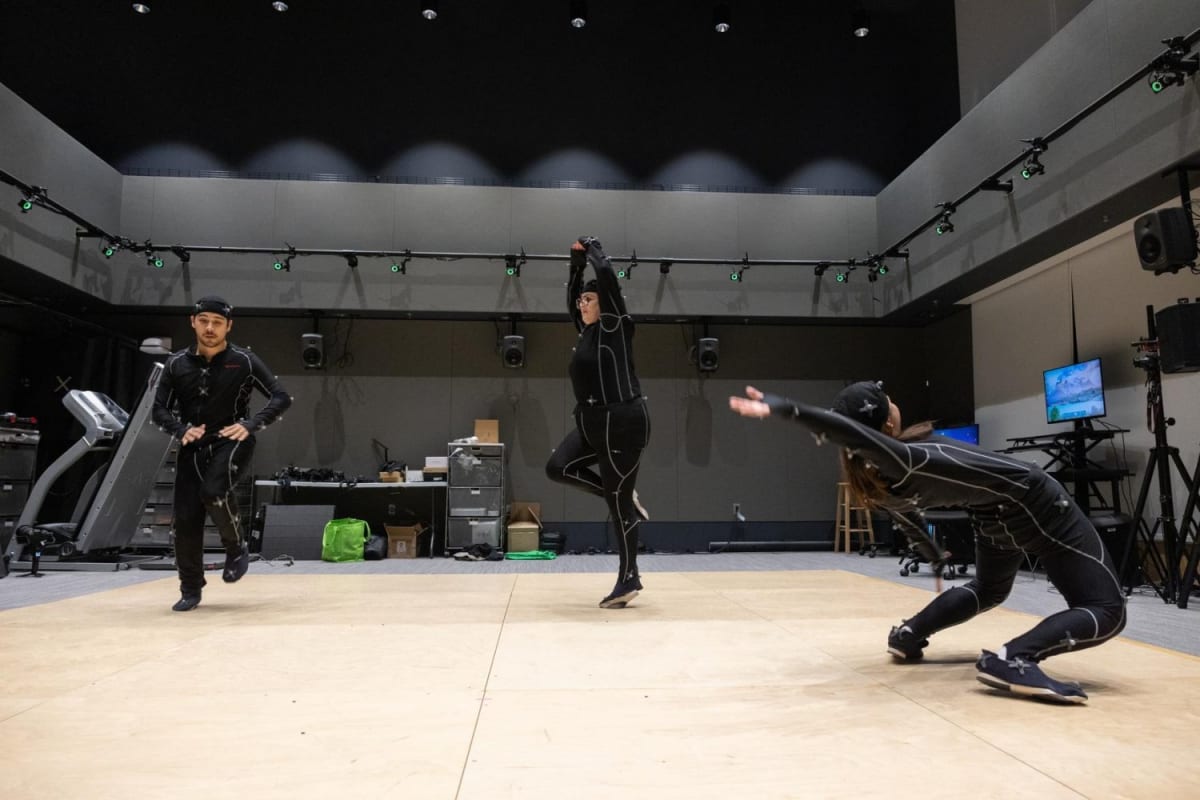
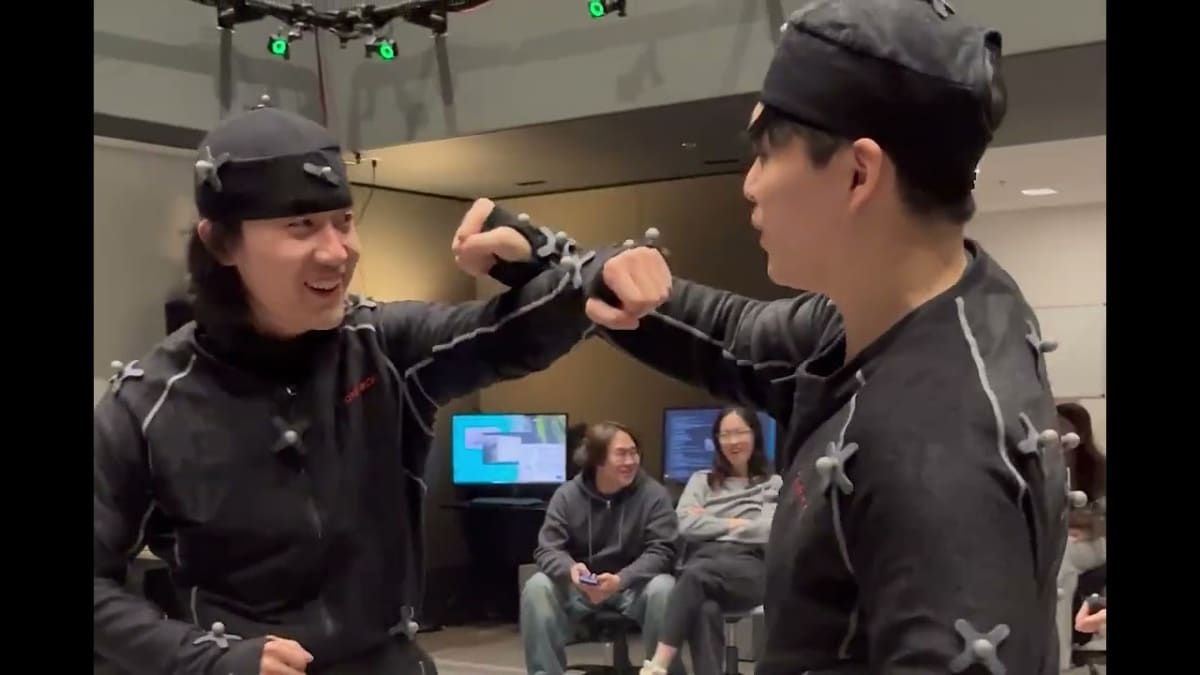
That's exactly what happens when Emerson College film students visit MIT's Immersion Lab each semester. The state-of-the-art facility uses 28 cameras to capture every movement students make, turning them into animated characters in real time.
The partnership started when Daniel Pillis, an MIT Media Lab graduate and now Emerson professor, realized his students needed access to professional-level technology. Most film students never get to work with motion capture systems like the ones used in blockbuster movies.
"The level of high-end film production that the Immersion Lab supports is out of reach for so many students who would benefit from this technology," Pillis explains. He brings his entire class across the river to MIT each semester to give them hands-on experience they couldn't get anywhere else in Boston.
The results speak for themselves. Students don full-body motion capture suits and become virtual avatars on screen instantly. They can adjust their characters and add details while they perform, taking the data back to Emerson to build into their final film projects.
One student, Nick Forsch, created a short film called "Enter" about a human meeting artificial intelligence in a digital world. His project earned an EVVY Award nomination, Emerson's version of an Emmy. Another student, Evan Costa, recreated The Beatles' legendary "Ed Sullivan Show" performance with virtual musicians.
"Being able to use the MIT.nano Immersion Lab really elevated my project," says Forsch. "I was excited to submit it for an EVVY, knowing the technology behind my work was on a professional level."
The Ripple Effect
Over 60 Emerson students have now used the facility in just two years. The experience is transforming how they think about filmmaking careers. Costa loved the technology so much he's joining MIT's Learning Engineering group as a summer intern to keep exploring virtual production.
Talis Reks, who manages the Immersion Lab, says students get fully into character once they see themselves on screen. "These students are not necessarily trained as actors, but the moment they see themselves as virtual characters, the realistic, granular movement enabled by motion capture, they get fully into performing."
The partnership shows how universities can work together to give students access to tools that would typically cost millions. It's also preserving authenticity in filmmaking as artificial intelligence becomes more common in studios. Motion capture keeps real human expression and performance at the heart of digital storytelling.
The next generation of filmmakers is learning to create movie magic that was once reserved for Hollywood's biggest studios.
More Images
Based on reporting by MIT News
This story was written by BrightWire based on verified news reports.
Spread the positivity!
Share this good news with someone who needs it