MIT Startup Cuts Lithium Mining Costs Using Glass Cream
An MIT team discovered that a common household product can extract lithium from rocks at room temperature, potentially breaking the global mining monopoly. The breakthrough could make electric vehicle batteries cheaper while slashing pollution.
A bathroom renovation just changed the future of clean energy. MIT scientist Yet-Ming Chiang was refinishing his glass shower door when he realized the cream he was using might solve one of the world's biggest sustainability problems.
Lithium powers everything from smartphones to electric cars to the data centers running artificial intelligence. But getting it out of the ground has been an environmental nightmare. Current methods blast rocks at temperatures over 2,000 degrees Fahrenheit and dump toxic chemicals into the environment, releasing 20 tons of carbon for every ton of lithium extracted.
That's why only three countries dominate global lithium production. The high costs and extreme requirements have locked other nations out of the market, even though lithium-rich rocks cover large parts of the United States, Europe, and Africa.
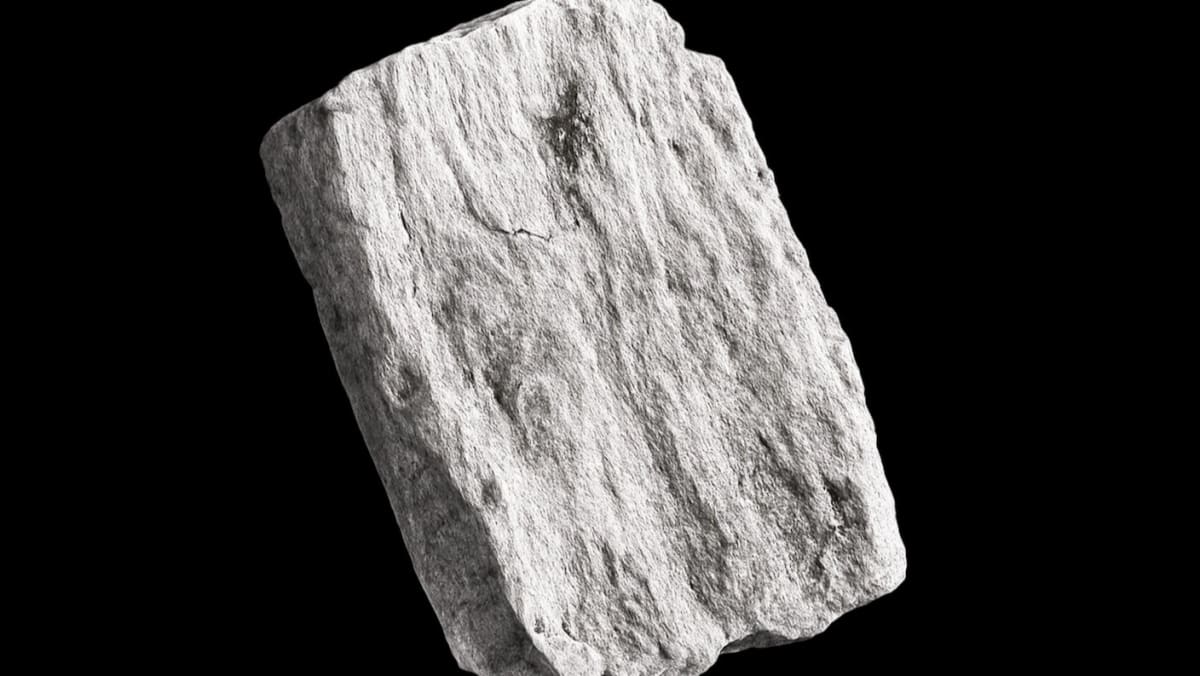
Chiang's household epiphany led to something remarkable. His team discovered that ammonium fluoride, the mild acid in glass etching cream available at any hardware store, can dissolve lithium-rich rocks at temperatures below the boiling point of water. They simply stir crushed ore in plastic tanks.
The process works on 17 different types of ore from around the world. It extracts lithium at 99 percent purity in under 12 hours. Even better, nearly all the chemicals can be recycled and reused at least five times.
Here's where it gets even more exciting. Traditional mining discards most of the rock as waste. This new method captures everything. Along with lithium, it extracts alumina for making aluminum and silica for producing sustainable cement.
"You've heard of nose-to-tail eating?" Chiang said. "We refer to this as nose-to-tail mining."
The team has already tested their cement in real applications. They poured cubes and ran strength tests to ensure the recycled materials meet industry standards. Every product passed.
The Ripple Effect spreads far beyond cheaper batteries. Countries currently locked out of lithium production could suddenly compete in the clean energy market. Local communities wouldn't need to choose between economic opportunity and environmental devastation. The massive carbon footprint of battery production could shrink dramatically, making electric vehicles truly sustainable from mine to road.
Independent scientists are taking notice. Researchers at Caltech called it "a low-carbon alternative to hard rock refining" that addresses both surging demand and the carbon emissions that undermine the entire point of switching to clean energy.
The startup born from this discovery is already scaling up operations. What started as a bathroom DIY project could democratize access to the mineral powering our sustainable future.
More Images


Based on reporting by Singularity Hub
This story was written by BrightWire based on verified news reports.
Spread the positivity!
Share this good news with someone who needs it