MIT Students Win NASA Contest With Lunar Power System
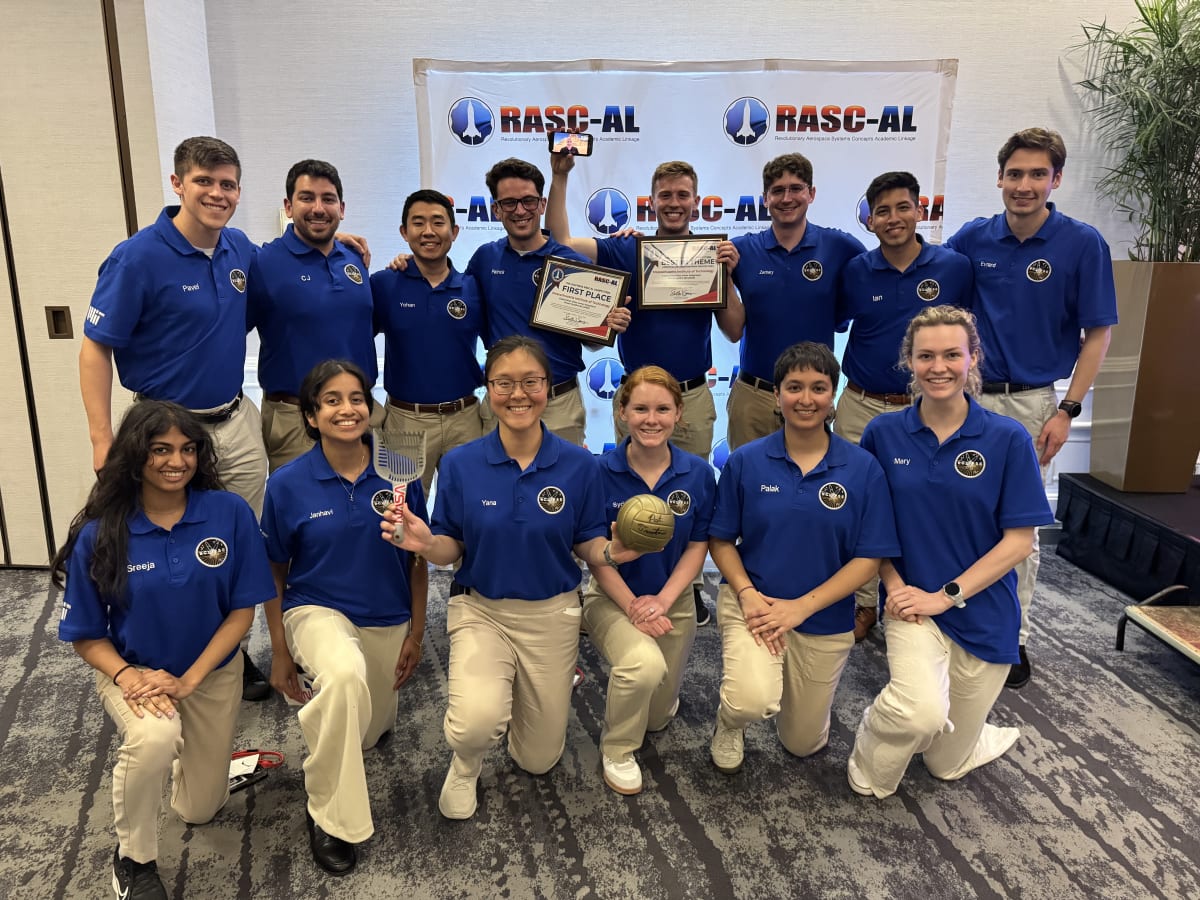
College teams just showed NASA how the next generation plans to power the moon. MIT students took top honors at NASA's 2026 innovation competition with a breakthrough lunar energy system that could support future Artemis missions.
Students from MIT just proved that the future of space exploration is in good hands, winning NASA's top aerospace innovation prize for a lunar power system that could light up humanity's return to the moon.
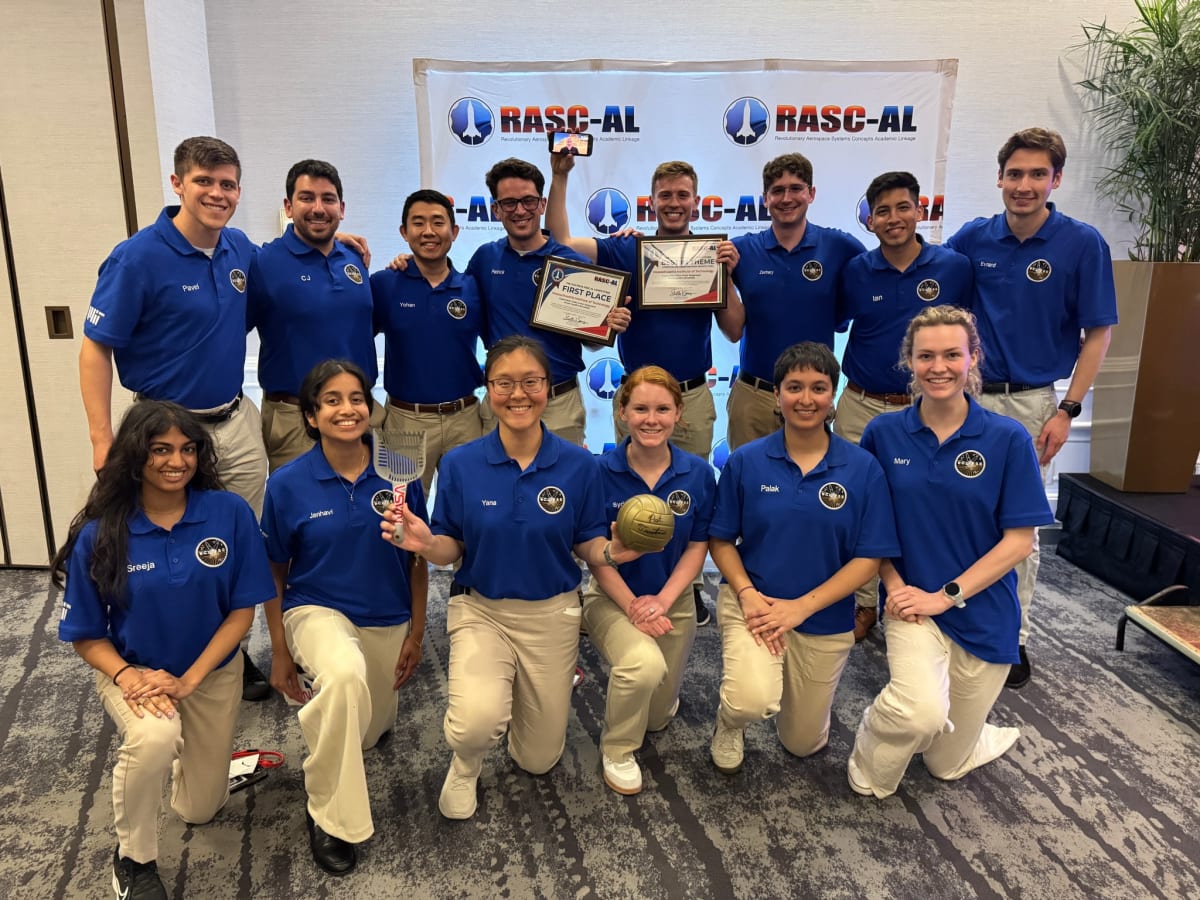
The team's Exploration-Class Lunar Integrated Power System, nicknamed ECLIPSE, claimed first place at the 2026 Revolutionary Aerospace Systems Concepts competition in Cocoa Beach, Florida. Fourteen finalist teams gathered to present their boldest ideas for solving real challenges facing space missions.
The competition asks university students to bridge actual gaps in aerospace technology, giving them hands-on experience with mission architecture and systems engineering. This isn't just theoretical work. NASA engineers provide real-time feedback, exposing students to the same rigorous scrutiny applied to actual human spaceflight concepts.
MIT dominated the competition, with another team taking second place for their Mars infrastructure project called MELIORA. Virginia Tech rounded out the top three with a Mars communications network design.
Daniel Mazanek, senior space systems engineer at NASA's Langley Research Center, said the winning teams showed how student research directly supports Artemis mission goals. Their work transforms innovative ideas into concepts that NASA can actually use.
The competition also celebrated creativity with specialized awards. One MIT team won recognition for a project with perhaps the best acronym in aerospace history: CHEESEBURGER, which stands for a lunar technology demonstration system. South Dakota State earned honors for their moon sample return concept called SELENE.
The Ripple Effect
This competition does more than find cool ideas. It builds NASA's future workforce by teaching students how to think through complex engineering problems from start to finish.
Christopher Jones, chief technologist at NASA Langley, emphasized that students learned to balance innovation with technical rigor and clear communication. These skills mirror what professional aerospace engineers do every day when solving real-world problems.
The program represents collaboration across NASA, administered by the National Institute of Aerospace and managed by the NASA Tournament Lab. By investing in student innovation today, NASA is ensuring tomorrow's space missions have the brilliant minds needed to succeed.
The next generation isn't just dreaming about space exploration—they're already designing it.
More Images

Based on reporting by NASA
This story was written by BrightWire based on verified news reports.
Spread the positivity!
Share this good news with someone who needs it