NASA Discovers 'Dark Comet' Hiding as Asteroid for 26 Years
An asteroid discovered in 1998 just revealed its true identity: a rare "dark comet" that's been fooling scientists for nearly three decades. The discovery helps protect Earth by improving how we track space objects that might come our way.
Scientists watching the skies for potentially dangerous space rocks just discovered they've been tracking something far stranger than they thought.
An object called 1998 SH2 spent 26 years classified as a near-Earth asteroid. But when it flew close to our planet in August 2025, something didn't add up.
The object's path through space didn't match where gravity alone should have taken it. NASA researchers spent months reviewing decades of old observations, searching for answers.
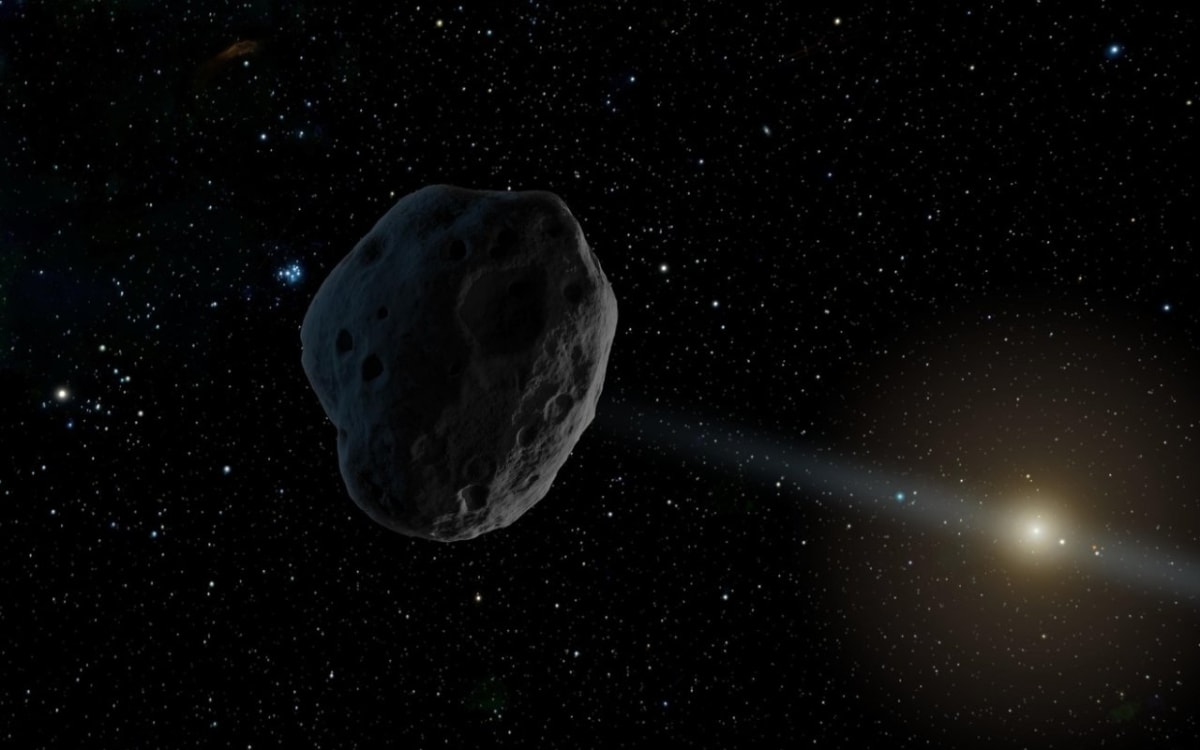
They found something remarkable: the object was being gently pushed off course by gas escaping from its surface. That's the signature move of a comet, not an asteroid.
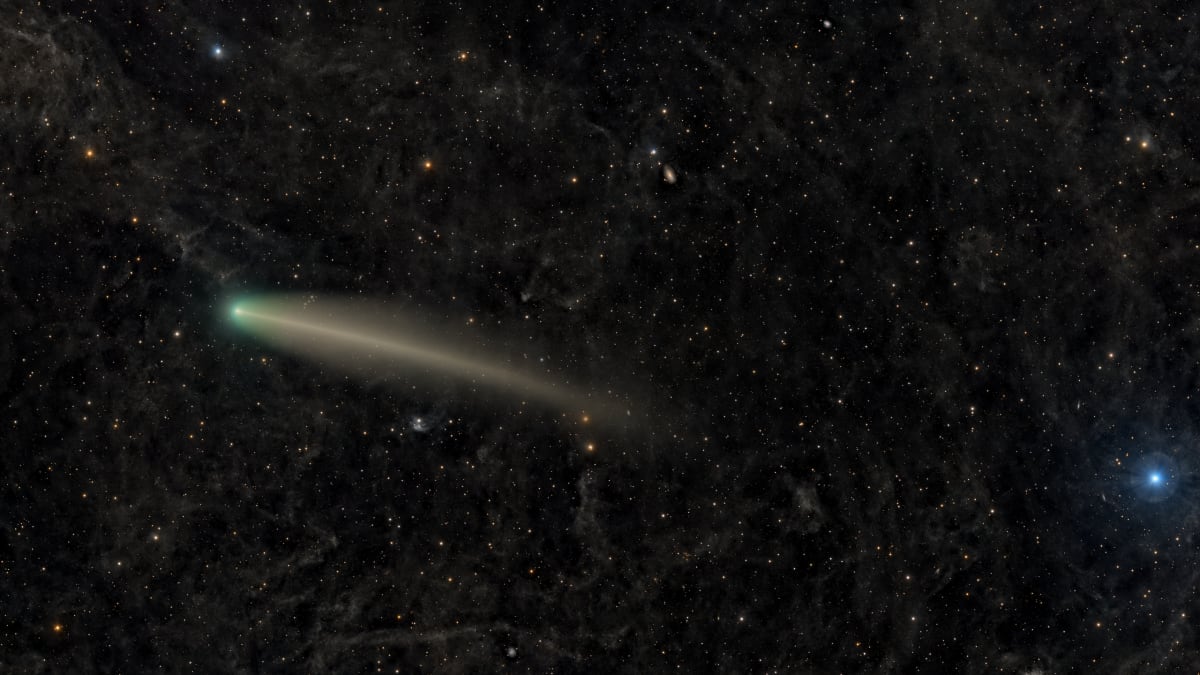
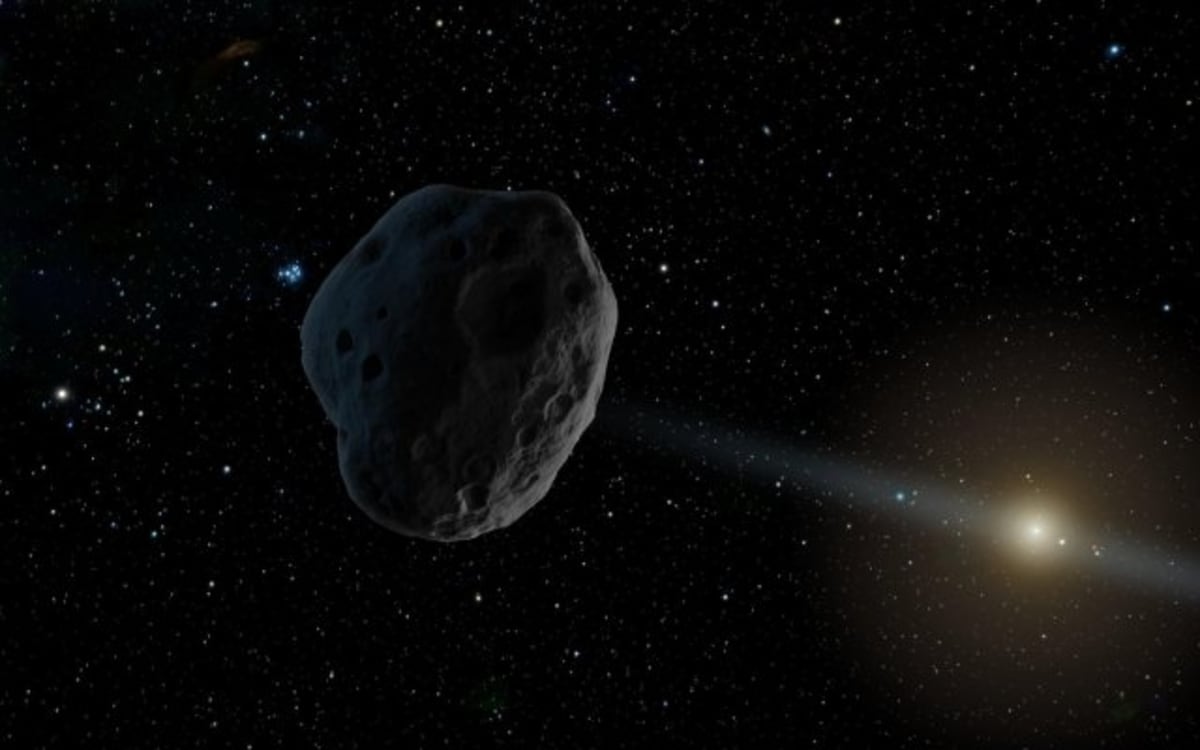
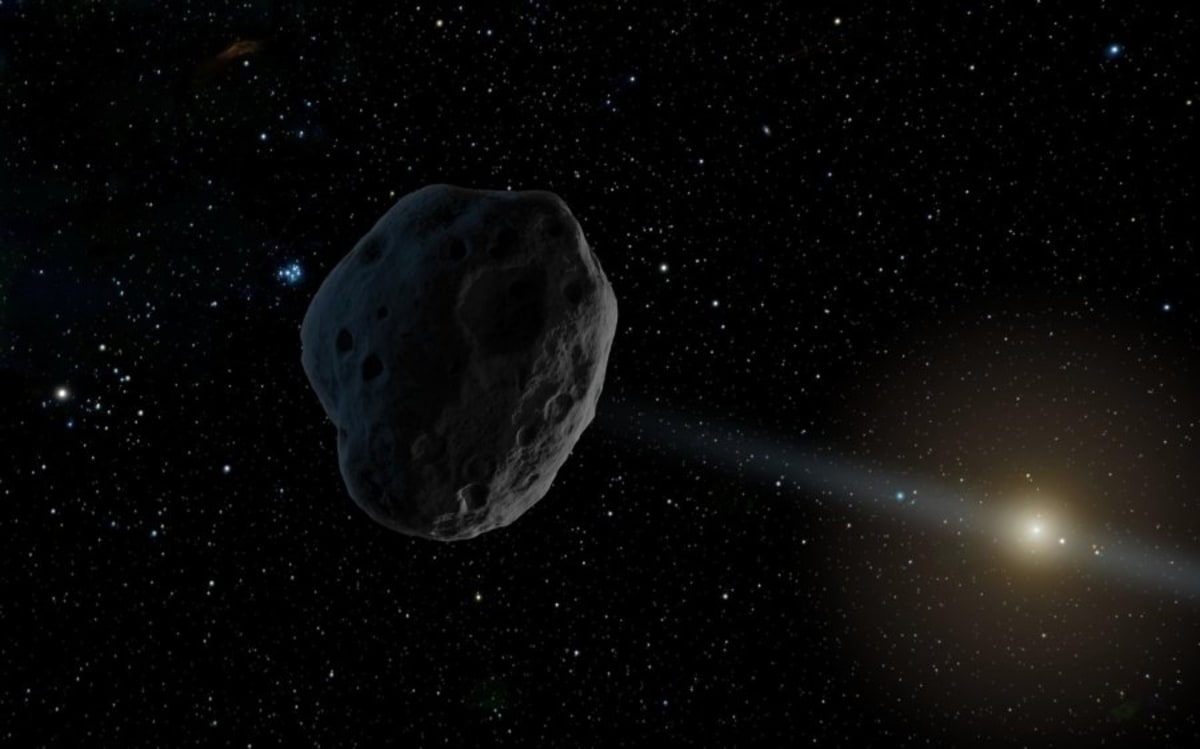
Astronomers aimed powerful telescopes in Hawaii and Chile at the mysterious object. They spotted a faint tail streaming behind it, confirming their suspicion. The former asteroid officially became comet P/1998 SH2.
But this isn't your typical bright, showy comet that lights up the night sky. 1998 SH2 belongs to a rare group called dark comets. These objects release so little gas and dust that they look almost identical to asteroids, making them incredibly hard to identify.
The Bright Side
This cosmic case of mistaken identity actually makes us safer. Knowing whether a near-Earth object is an asteroid or comet helps scientists predict how its orbit will change over time. That means better assessments of which objects might pose impact risks to our planet.
"This work shows the importance of continuously tracking near-Earth objects," said Davide Farnocchia, a navigation engineer with NASA's Center for Near-Earth Object Studies at the Jet Propulsion Laboratory. Detecting these small changes in movement gives planetary defense teams a crucial diagnostic tool.
NASA's upcoming Near-Earth Object Surveyor mission will hunt specifically for these tricky objects. The spacecraft will help scientists spot more dark asteroids and dark comets that current telescopes might miss.
Every new discovery adds another piece to the puzzle of what's flying around in our cosmic neighborhood. The more we understand about these sneaky space travelers, the better we can watch over Earth's safety while unraveling the mysteries of our solar system.
More Images


Based on reporting by Google News - Science
This story was written by BrightWire based on verified news reports.
Spread the positivity!
Share this good news with someone who needs it