NASA Finds "Black Hole Stars" in Early Universe
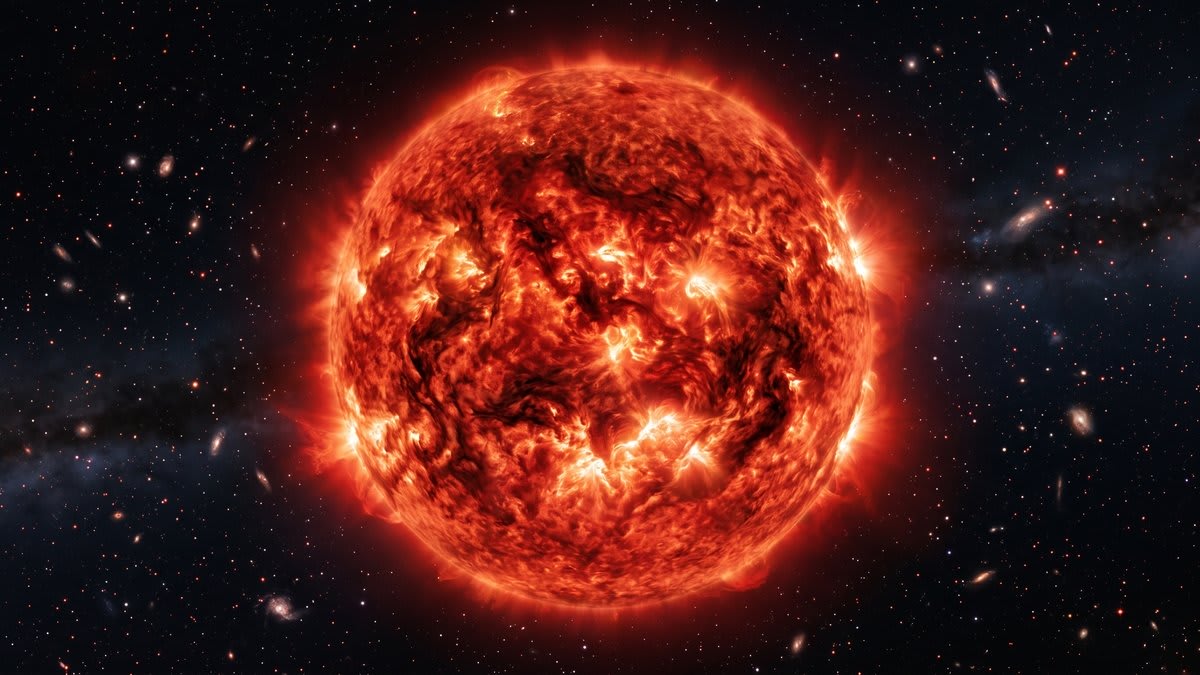
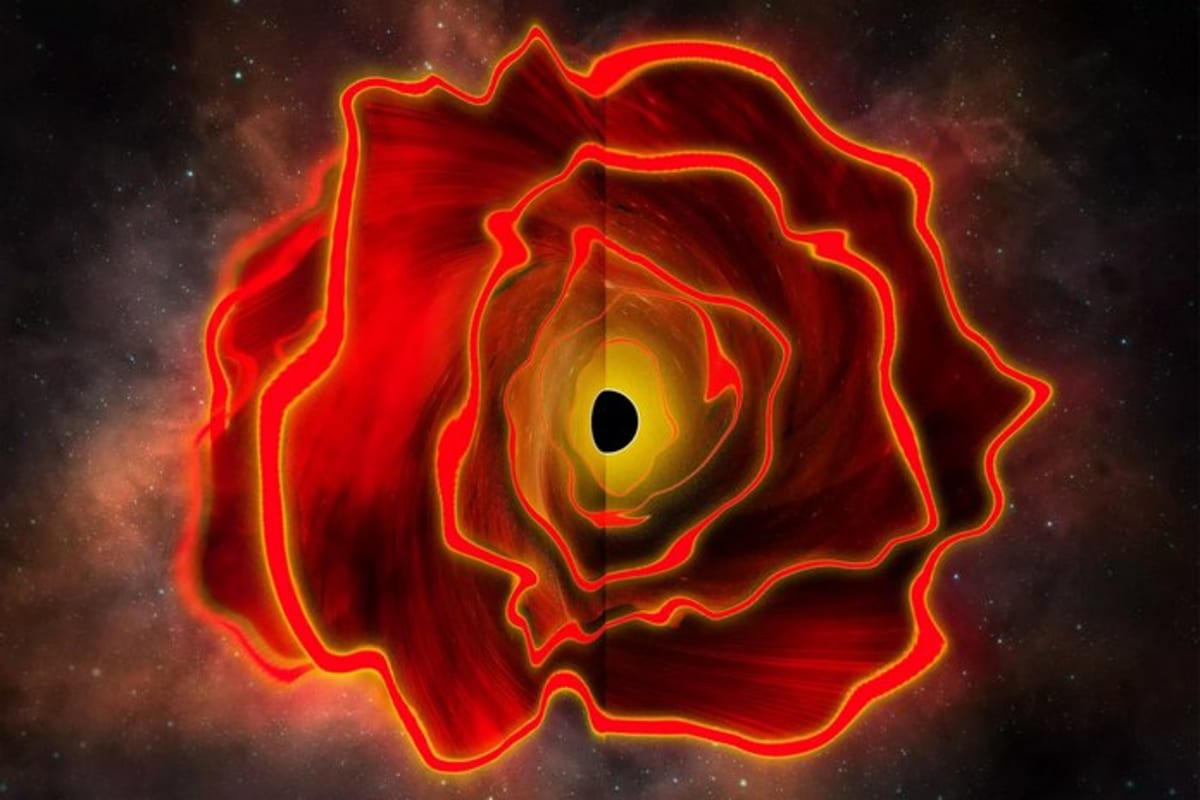
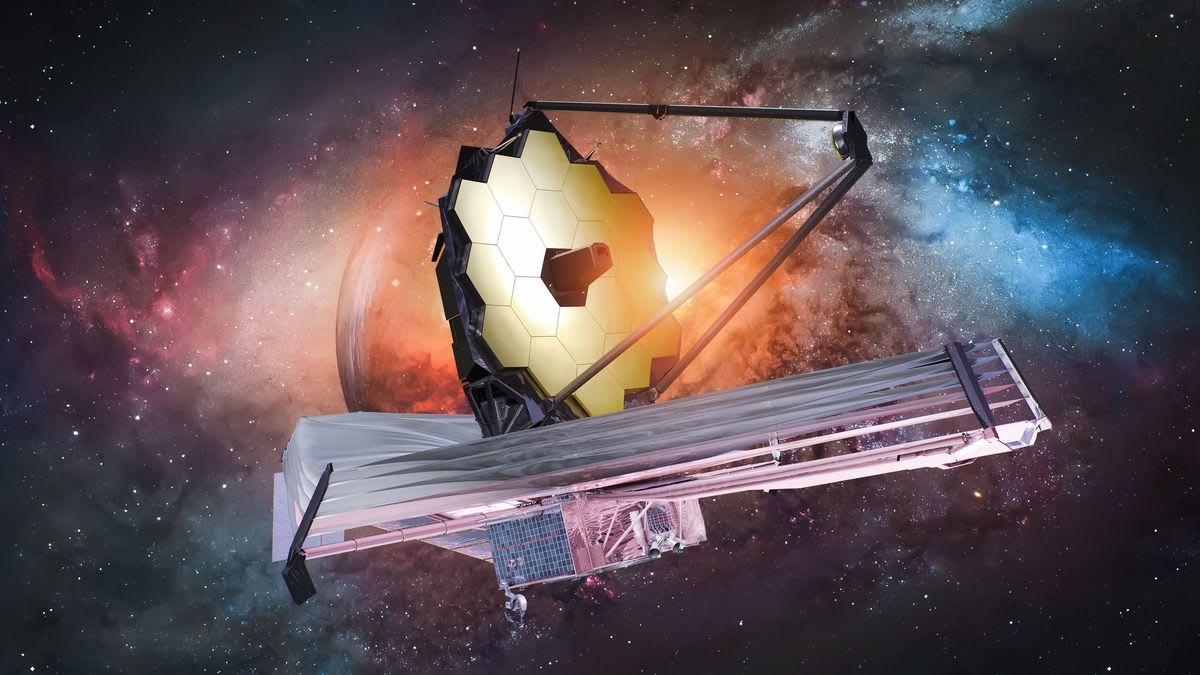
NASA's James Webb Space Telescope discovered a completely new type of cosmic object: giant gas shells wrapped around black holes, nicknamed "black hole stars." These structures shine brighter than anything scientists have ever seen and might solve a major mystery about the universe's early days. #
Scientists just found something in space they've never seen before, and it's rewriting our understanding of the early universe.
NASA's James Webb Space Telescope spotted an incredibly bright, reddish object from when the cosmos was just a baby. After months of analysis, researchers at MIT's Kavli Institute realized they'd stumbled onto an entirely new class of cosmic phenomena.
The structure is mind-boggling: a black hole 100,000 times heavier than our sun, wrapped in a gas shell as wide as our entire solar system. Yet despite being roughly the same size as the space between Earth and Pluto, it pumps out more energy than any known star or galaxy its size.
Lead researcher Rohan Naidu watched his team's understanding shift rapidly as data came in. "This object exhibited the strongest Balmer jump in our entire history of observations," he explained. That spectral signature, normally seen in stellar atmospheres like the star Vega, appeared at intensities never before recorded.
The discovery happened during the Mirage or Miracle project, which scans for primordial galaxies formed just hundreds of millions of years after the Big Bang. The team published their findings in the journal Nature.
At first, scientists thought they were just seeing regular light shifted by cosmic dust. Deeper analysis proved them wrong. The object contains almost no elements heavier than hydrogen and helium, matching the chemical makeup of the universe's earliest moments.
Why This Inspires
This breakthrough might finally explain the "little red dots" that puzzle astronomers worldwide. These tiny, bright sources appear constantly in images of the young universe but have vanished from today's cosmic landscape.
Scientists have debated their nature for years. Now evidence suggests at least some aren't galaxies at all, just objects that look like galaxies through telescopes.
The discovery confirms that the early universe operated under different rules than today's cosmos. These black hole stars were everywhere 13 billion years ago but disappeared as the universe evolved and matured.
Naidu's team included researchers Robert Simko and Wendy Sun from MIT, along with scientists from partner institutions worldwide. Their work demonstrates how new technology reveals cosmic secrets hiding in plain sight.
The James Webb telescope continues scanning the depths of space, and scientists expect to find more of these mysterious structures. Each discovery brings us closer to understanding how the universe transformed from its chaotic early days into the orderly cosmos we see today.
#
More Images

Based on reporting by Google: NASA discovery
This story was written by BrightWire based on verified news reports.
Spread the positivity!
Share this good news with someone who needs it
%2Fhttps%3A%2F%2Ftf-cmsv2-smithsonianmag-media.s3.amazonaws.com%2Ffiler_public%2F29%2F49%2F29493038-7959-49c5-9352-ef74ea574dc7%2Foriginal_1.webp)