NASA Finds Two Cotton Candy Planets in Same Star System
Scientists discovered two ultra-light planets so fluffy their density matches cotton candy, and finding them orbiting the same star makes the discovery even more extraordinary. The rare find could unlock secrets about how giant planets form across the universe.
Imagine planets as big as Jupiter but lighter than a bag of marshmallows floating through space.
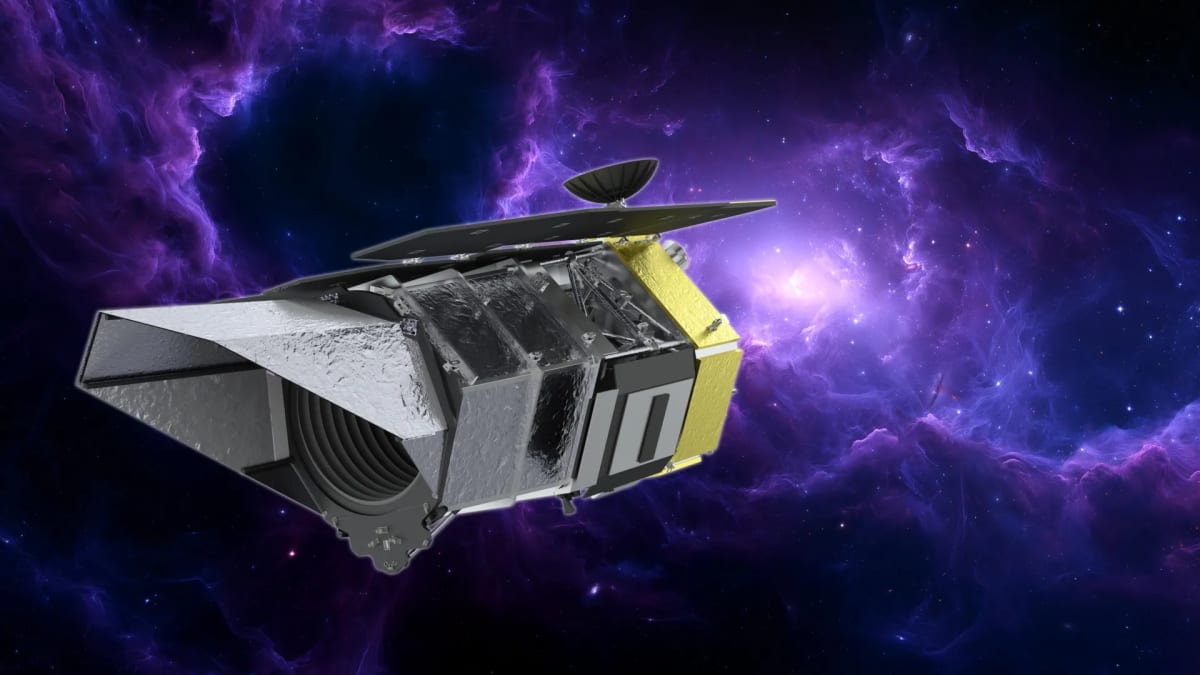
NASA's planet-hunting telescope TESS just spotted two of the "puffiest" worlds ever discovered, and they're orbiting the same star. The fluffy giants earned their cotton candy nickname because despite their enormous size, they're incredibly light and airy.
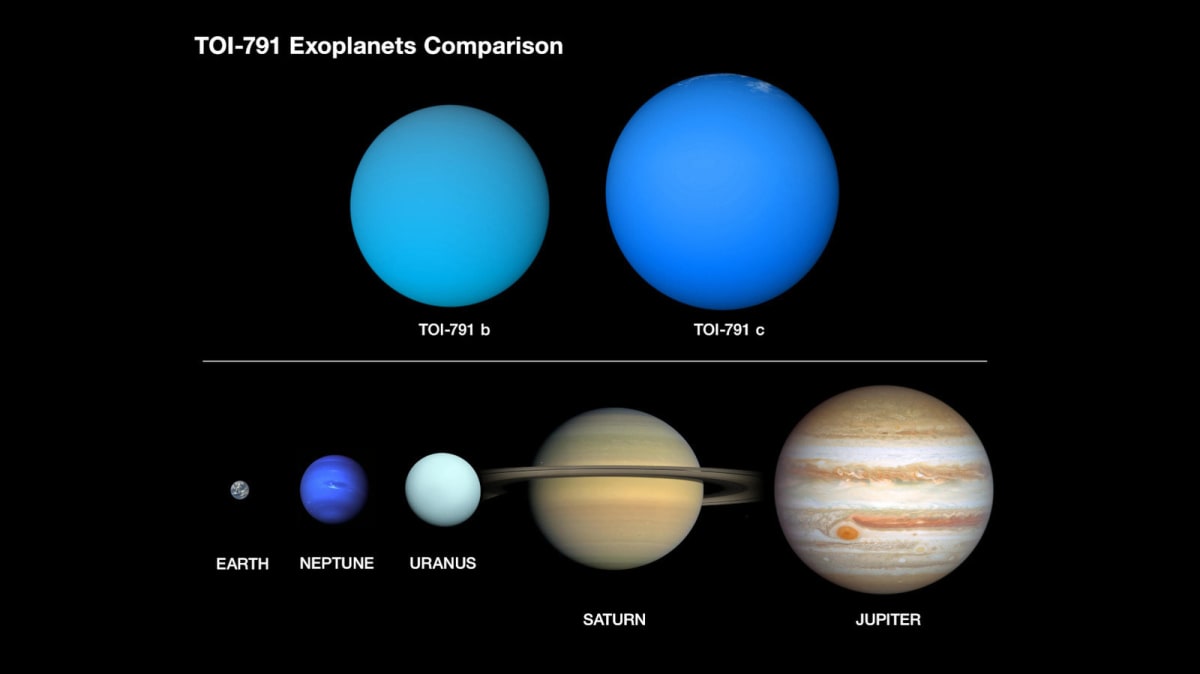
The first planet, TOI-791 b, matches Jupiter in size but weighs just three percent as much. Its companion, TOI-791 c, stretches even larger than Jupiter while clocking in at only 5.9 percent of its mass. Picture inflating a basketball to the size of a beach ball without adding any extra weight.
George Dansfield from Oxford University led the team that made the discovery using seven years of TESS data. The telescope collected 1,122 days of observations to confirm what scientists were seeing. Only a handful of super puffy planets exist in our records, making twins in one system exceptionally rare.
The discovery happened because TESS launched in 2018 specifically to find nearby planets outside our solar system. The telescope scans an area 400 times larger than previous missions covered. So far, it's identified 7,931 possible planets, with 897 confirmed as real worlds.
These cotton candy planets revealed themselves through a cosmic dance. They orbit their star while gravitationally tugging on each other, creating a wobble in their movements. Scientists measured these timing variations to calculate each planet's surprisingly light mass.
The planets also take unusually long trips around their star compared to other puffy worlds. That extended orbit pattern makes them even more valuable to study, according to researchers.
Why This Inspires
Steve Howell from NASA Ames Research Center explains that understanding how massive but lightweight planets form helps scientists piece together how entire planetary systems evolve. These cosmic cotton balls challenge what we thought we knew about planet formation.
The team now wants to analyze the planets' atmospheres to understand their chemical makeup. They're also curious how the planets' rapid spin might stretch their shape and what conditions create such impossibly fluffy worlds.
Every new type of planet we discover reminds us that the universe holds stranger wonders than we can imagine, and we're just getting started exploring them.
More Images



Based on reporting by Engadget
This story was written by BrightWire based on verified news reports.
Spread the positivity!
Share this good news with someone who needs it