NASA Fixes Heat Shield for Artemis 2 Moon Mission
NASA figured out why the Artemis 1 heat shield lost some material during reentry and has a simple fix ready for the crew of Artemis 2. The four astronauts heading around the moon in March will fly a modified path that keeps them safer than ever.
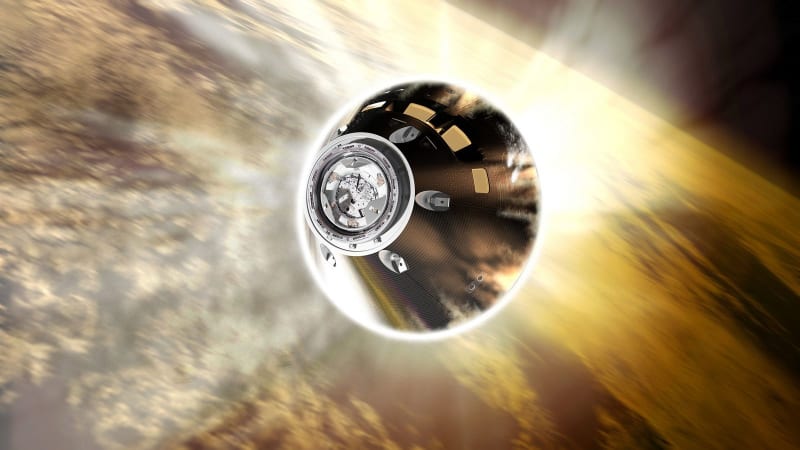
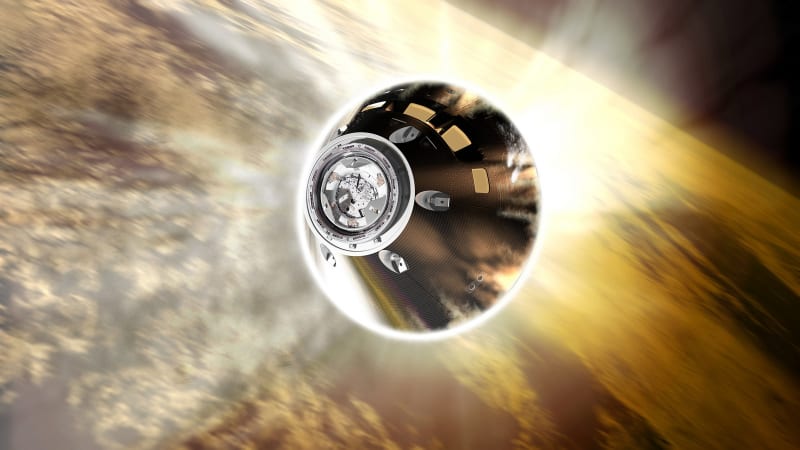
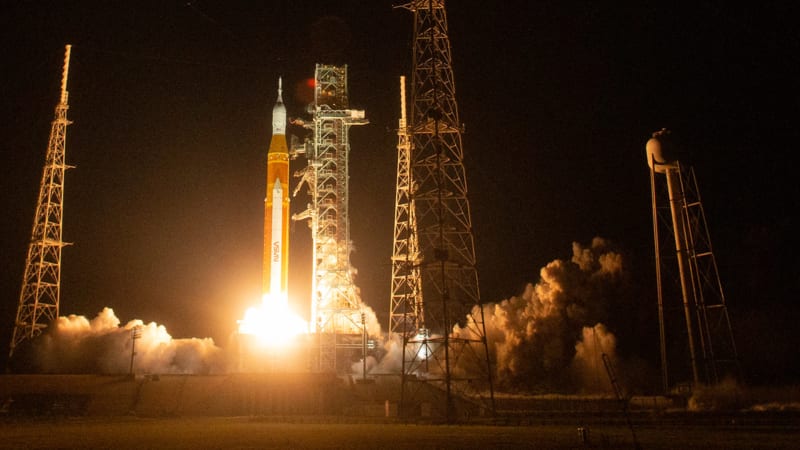
When NASA's Orion spacecraft returned from its first moon test in 2022, engineers noticed something unexpected: chunks of the heat shield had broken off during the fiery plunge back to Earth. Now they know exactly why it happened, and they've solved the problem just in time for the first crewed mission around the moon in over 50 years.
The investigation revealed that gases trapped inside the heat shield material couldn't escape fast enough. That buildup created pressure and cracking, causing charred pieces to break away in more than 100 spots during the spacecraft's high-speed descent through Earth's atmosphere.
But here's the good news: even with those missing chunks, the temperature inside Orion stayed completely safe. If astronauts had been aboard that test flight, they would have been perfectly comfortable the entire time.
NASA ran over 100 tests at facilities across the country to understand the problem. They worked with Lockheed Martin and independent experts to find a solution that doesn't require rebuilding the heat shield or delaying the mission.
The fix is elegant in its simplicity. For Artemis 2, NASA changed the flight path back to Earth. The spacecraft will take a slightly steeper entry angle and skip a maneuver that caused it to bounce partway back out of the atmosphere before reentering.
This modified trajectory means Orion will spend less time in the exact temperature range where the cracking occurred. The capsule will travel a shorter distance between hitting the atmosphere and splashing down in the Pacific Ocean.
Why This Inspires
This story shows problem-solving at its finest. Instead of scrapping years of work or delaying humanity's return to deep space, NASA's engineers turned a setback into a safer mission design.
The Artemis 2 crew of four astronauts will benefit from knowledge gained during the unmanned test. Every challenge discovered on Artemis 1 becomes a lesson that makes future missions more secure.
Orion's heat shield remains the largest ever built for human spaceflight at 16.5 feet across. The ablative material, called Avcoat, protected Apollo astronauts during their moon missions decades ago and will do the same for this new generation of space explorers.
The investigation proved that NASA's commitment to thorough testing and transparent problem-solving hasn't wavered. When something doesn't go exactly as planned, they figure it out and fix it before lives are on the line.
Four astronauts are now one step closer to circling the moon, protected by a spacecraft that's been tested, analyzed, and improved through real-world experience.
More Images


Based on reporting by Space.com
This story was written by BrightWire based on verified news reports.
Spread the positivity!
Share this good news with someone who needs it