NASA Picks Blue Origin for Moon Base Mission This Fall
NASA announced plans for three lunar missions in 2025 to begin building a $20 billion moon base, with Jeff Bezos's Blue Origin leading the first mission. The project marks a new era of public-private partnerships aimed at establishing humanity's permanent presence on the moon.
America is heading back to the moon this year, and this time we're building something that will last.
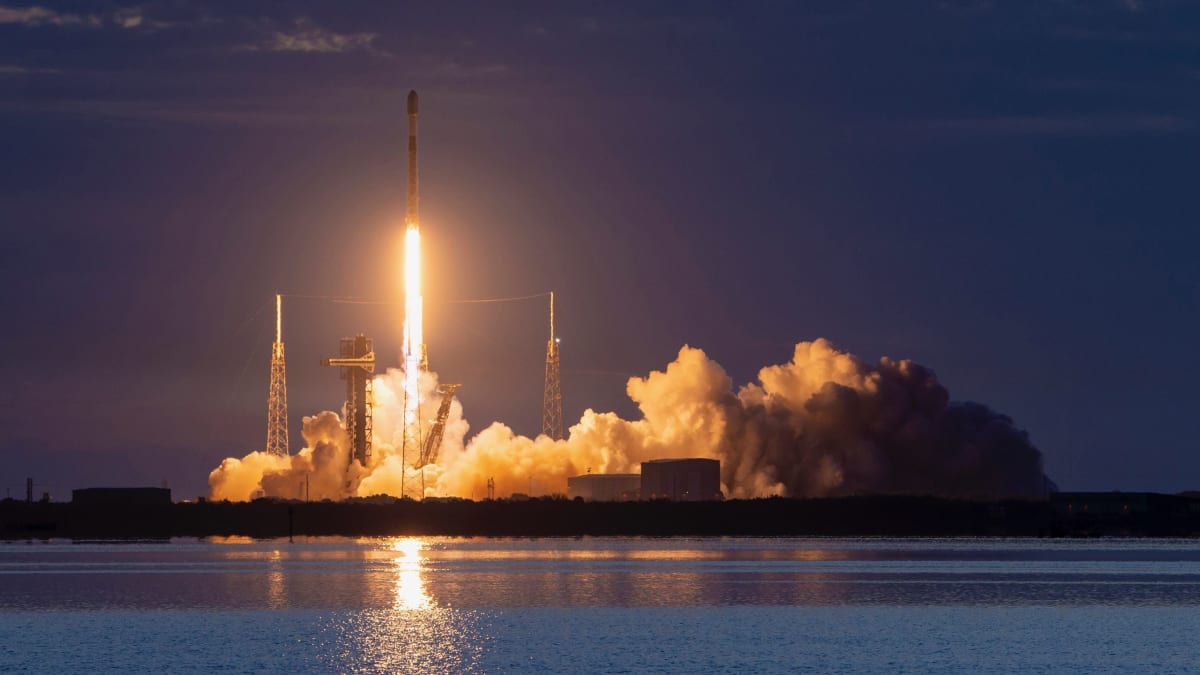
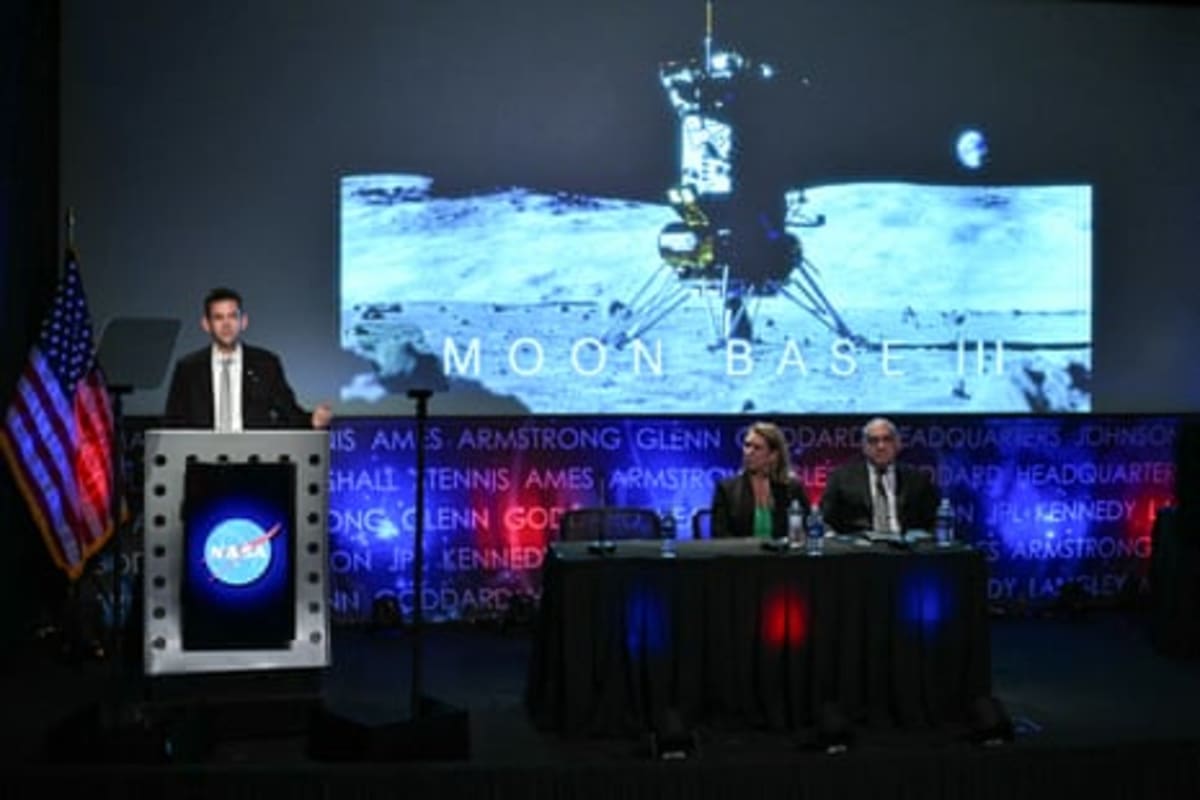
NASA revealed Tuesday that it will launch three uncrewed missions in 2025 to kickstart construction of a lunar base at the moon's south pole. Administrator Jared Isaacman called it "an iterative approach" that will send landers, rovers, and scientific equipment to test what humans need to survive on the lunar surface.
Jeff Bezos's Blue Origin won the contract to lead the first mission as early as this fall. The company will receive $230.4 million from NASA but is largely funding the operation itself, making it the first privately funded lunar lander mission in history.
Blue Origin's cargo lander, called Endurance, will carry scientific equipment from NASA and private partners to the Shackleton de Gerlache Ridge area near the south pole. The mission will test critical systems needed before humans return to the moon on future Artemis missions.
The announcement follows last month's successful Artemis II mission, which sent four astronauts around the moon for the first time since 1972. That achievement proved America is ready to resume lunar exploration after a 50-year pause.
"People are looking up again, believing in big things again," Isaacman said at the Washington DC press conference. He emphasized that NASA is learning from the 1960s space program playbook, testing what works before committing to permanent structures.
The Ripple Effect
The moon base project represents more than just exploration. NASA's partnership model with private companies like Blue Origin, SpaceX, Firefly Aerospace, and Lunar Outpost is creating thousands of new jobs while dramatically reducing costs to taxpayers.
These collaborations are building what NASA calls a "thriving space economy." Companies are constructing major new facilities near Kennedy Space Center to support both cargo and crewed missions. The competition between Blue Origin and SpaceX for future crew landers is driving innovation at breakneck speed.
NASA's timeline shows an operating moon base between 2029 and 2032, with a semi-permanent presence established by 2032 or beyond. More than a dozen additional missions will follow the three planned for this year, each building on lessons learned from previous flights.
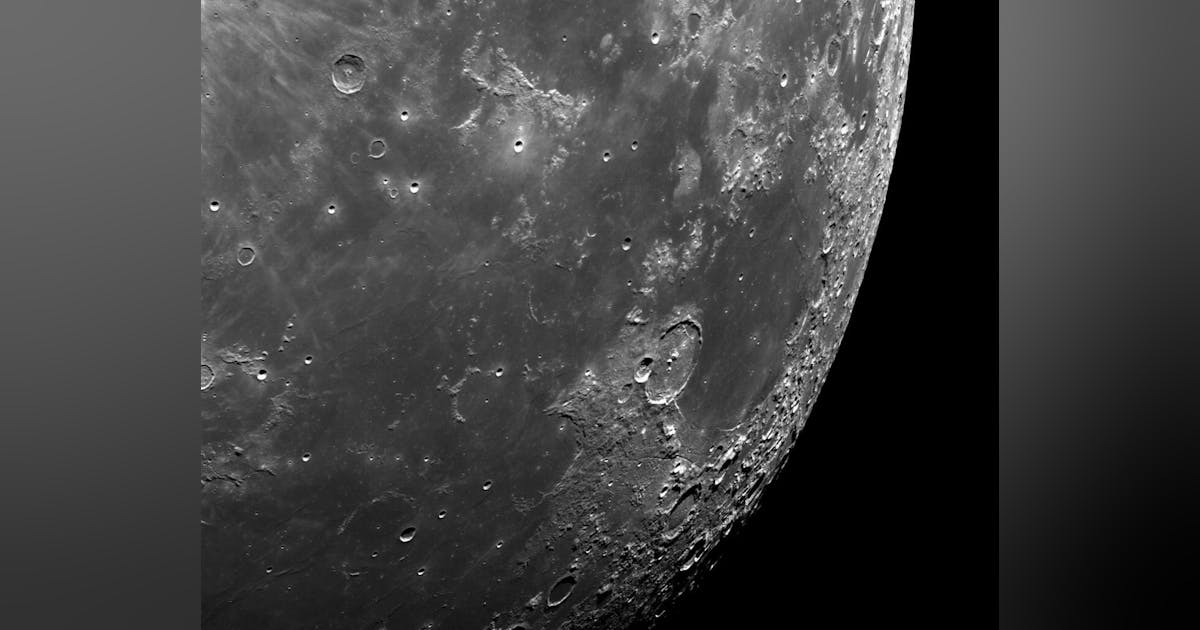
The south pole location isn't random. Scientists believe ice deposits there could provide water, oxygen, and rocket fuel for future missions, making the base sustainable long-term.
Isaacman addressed critics who question the cost and risk of lunar exploration with a powerful reminder: "We go for the technology we will pioneer to get there, the science, and all that we will learn that will make life better here on Earth."
The moon base also positions America to stay ahead of China in the new space race while developing skills for humanity's next giant leap to Mars.
More Images


Based on reporting by Google News - Science
This story was written by BrightWire based on verified news reports.
Spread the positivity!
Share this good news with someone who needs it