NASA Probe Reaches Sun, Unlocks Solar Wind Mystery
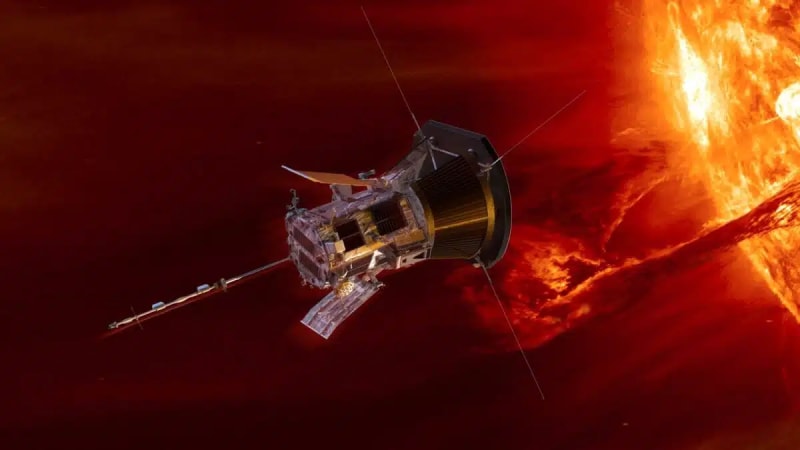
NASA's Parker Solar Probe flew closer to the Sun than any spacecraft in history, capturing the first real-time data on how solar wind forms. The breakthrough could help us predict space weather that affects satellites, communications, and life on Earth.
Scientists just got their clearest look yet at one of nature's most powerful forces, and it could help protect our technology-dependent world from solar storms.
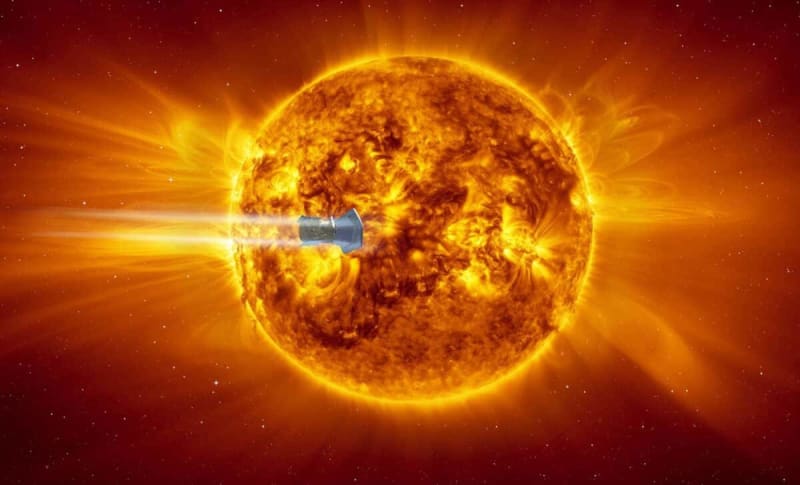
NASA's Parker Solar Probe screamed past the Sun at 400,000 miles per hour, coming within 3.8 million miles of its surface. That might sound far, but it's close enough to measure the birthplace of solar wind for the first time ever.
The spacecraft launched in 2018 on a mission that seemed almost impossible: touch the Sun's atmosphere and survive. It worked, sending back data that's rewriting what we know about our star.
A team from the University of Arizona analyzed the readings and discovered something unexpected. The Sun's outer atmosphere, called the corona, behaves nothing like scientists predicted based on decades of distant observations.
Physicist Kristopher Klein explains that plasma shooting out from the Sun cools to about 10,000°F near the surface, then mysteriously heats back up to over 2 million°F in the corona. Magnetic fields twist and snap in this region, creating the solar wind that rushes through our solar system.
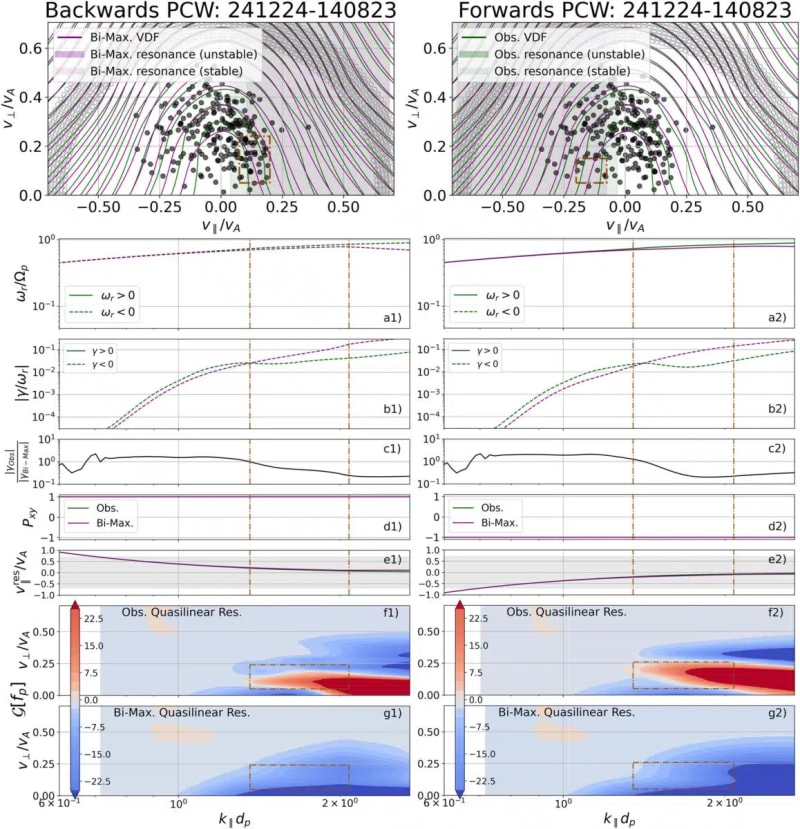
To decode Parker's measurements, Klein's team built a new tool called the Arbitrary Linear Plasma Solver. Instead of relying on guesswork, they could finally analyze actual particle behavior in the Sun's atmosphere.
The findings revealed that particles cool much more gradually than expected as they escape the Sun. This slower energy transfer changes everything about how scientists model space weather.
The Ripple Effect
Better predictions mean better protection. Solar storms can knock out communication satellites, disrupt GPS systems, and even damage power grids on Earth. Airlines reroute flights over the poles when solar radiation spikes to protect passengers and crew.
With Parker's data, forecasters can now work with real measurements instead of incomplete models. That means more warning time when dangerous solar eruptions head our way.
The implications reach far beyond Earth. The same plasma physics that drive our Sun's behavior also power phenomena around black holes, neutron stars, and distant galaxies. Understanding one star helps unlock the universe.
Parker isn't done yet. The probe will continue its looping path around the Sun, gathering more data with each pass and refining our understanding of the star that makes life possible.
A spacecraft traveling 400,000 miles per hour just taught us how to better protect the world we call home.
More Images
Based on reporting by Google News - Science
This story was written by BrightWire based on verified news reports.
Spread the positivity!
Share this good news with someone who needs it