NASA Races to Save $500M Satellite With Robotic Rescue
A groundbreaking space rescue mission is underway as NASA prepares to launch a robotic spacecraft that will boost a decaying satellite back into orbit, saving 20 years of scientific work. The four-vehicle operation marks a new era in extending the life of valuable space technology.
NASA is about to attempt something that sounds straight out of a sci-fi movie: sending a robot into space to rescue a dying satellite worth half a billion dollars.
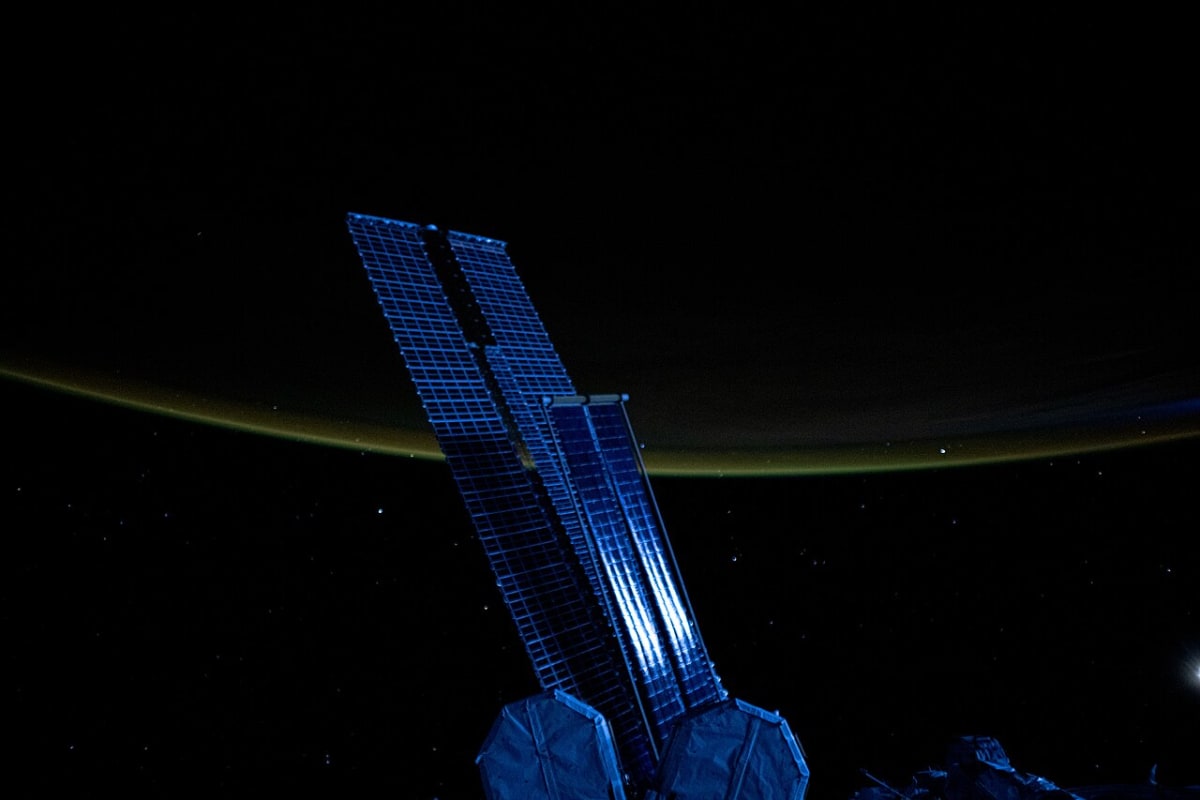
The space agency is fast-tracking a mission to save the Neil Gehrels Swift Observatory, which has been studying the universe's most powerful explosions since 2004. Swift's orbit has slowly decayed from 373 miles above Earth to just 249 miles, putting it on a path toward a fiery death in our atmosphere.
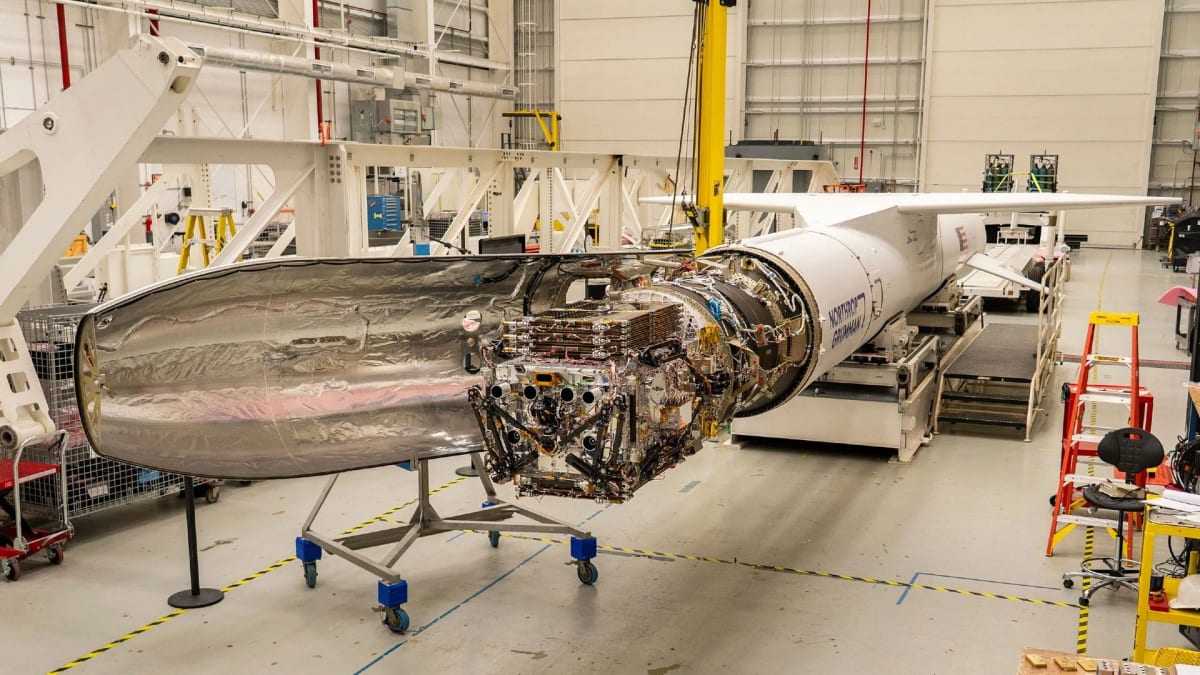
Enter LINK, a robotic servicing spacecraft built by Katalyst Space. On June 8, engineers at NASA's Wallops Flight Facility in Virginia prepared LINK for its journey inside a Pegasus XL rocket. The mission will launch from a modified Lockheed L-1011 aircraft called Stargazer, which carries the rocket to 39,000 feet before releasing it to blast into space.
What makes this rescue particularly impressive is that Swift was never designed to be serviced in orbit. NASA must predict where the satellite will be when LINK arrives, then have the robotic spacecraft rendezvous with Swift and gently boost it back to a healthy orbit.
Swift was originally planned for just a two-year mission to study gamma-ray bursts. Instead, it has operated for over 20 years, becoming one of NASA's most valuable scientific assets. The satellite has revolutionized our understanding of stellar explosions and continues to make important discoveries.
The Bright Side
This mission represents a turning point in how we think about space exploration. Instead of accepting that satellites must eventually fall and burn up, we're developing the technology to extend their lives and preserve their value.
The success of this rescue could pave the way for an entire industry of orbital servicing vehicles. Future missions might repair, refuel, or upgrade satellites, dramatically reducing space waste and saving billions in replacement costs.
The four-vehicle choreography required for this mission—mothership aircraft, rocket, rescue craft, and target satellite—demonstrates how far space technology has advanced since Swift first launched.
If successful, this robotic rescue will give Swift years of additional life, allowing it to continue unlocking mysteries of the universe while proving that no valuable satellite has to be lost forever.
More Images

Based on reporting by Google News - Science
This story was written by BrightWire based on verified news reports.
Spread the positivity!
Share this good news with someone who needs it