NASA Robot Software Now Building Cars and Affordable Homes
A robotic software created to help astronauts on Moon missions is now revolutionizing industries on Earth. From BMW assembly lines to affordable housing construction, NASA's investment is paying dividends far beyond space.
Robots that will one day help astronauts explore the Moon are already transforming how we build cars and homes here on Earth.
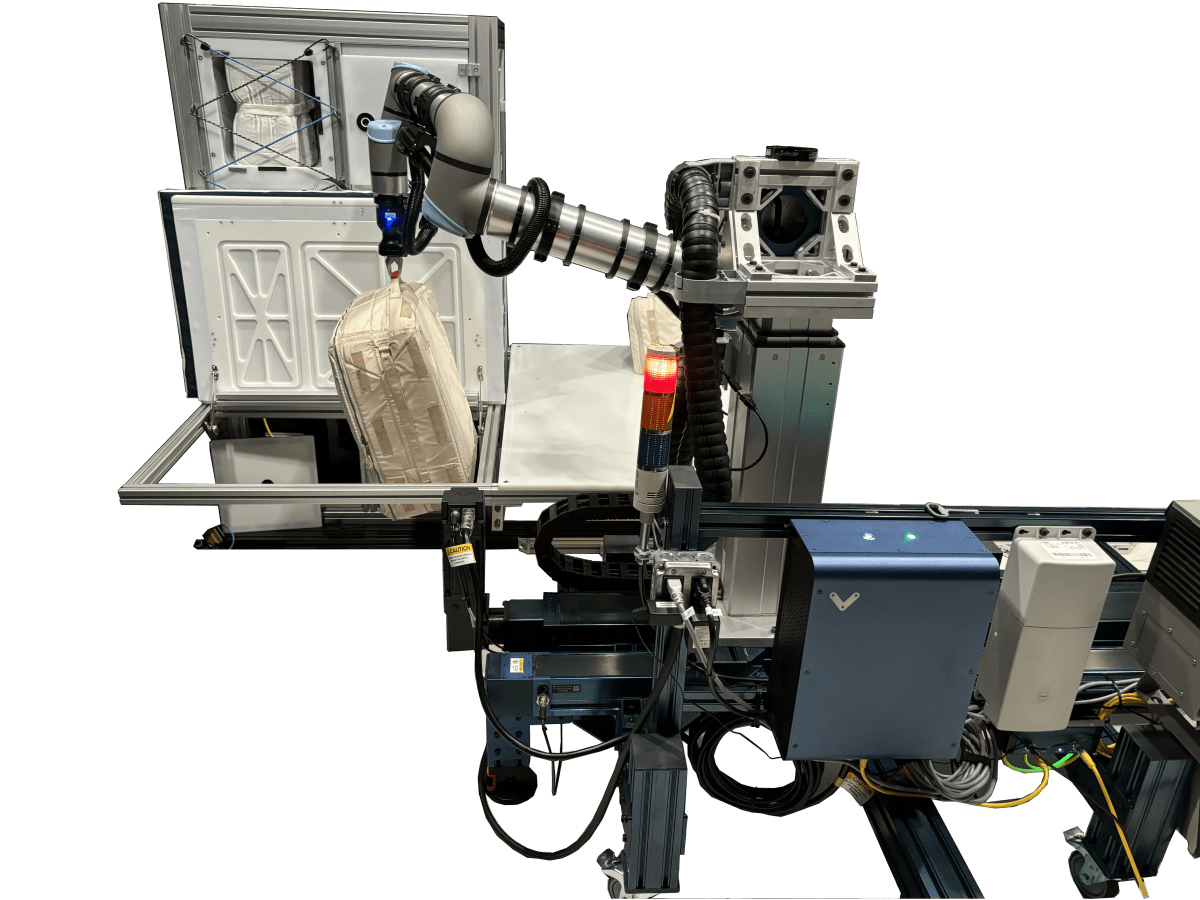
NASA recently partnered with Boulder-based PickNik Inc. to develop smart robotic software for future Artemis missions. The team needed robots capable of routine tasks like opening hatches and moving cargo, freeing up astronauts to focus on exploration and science.
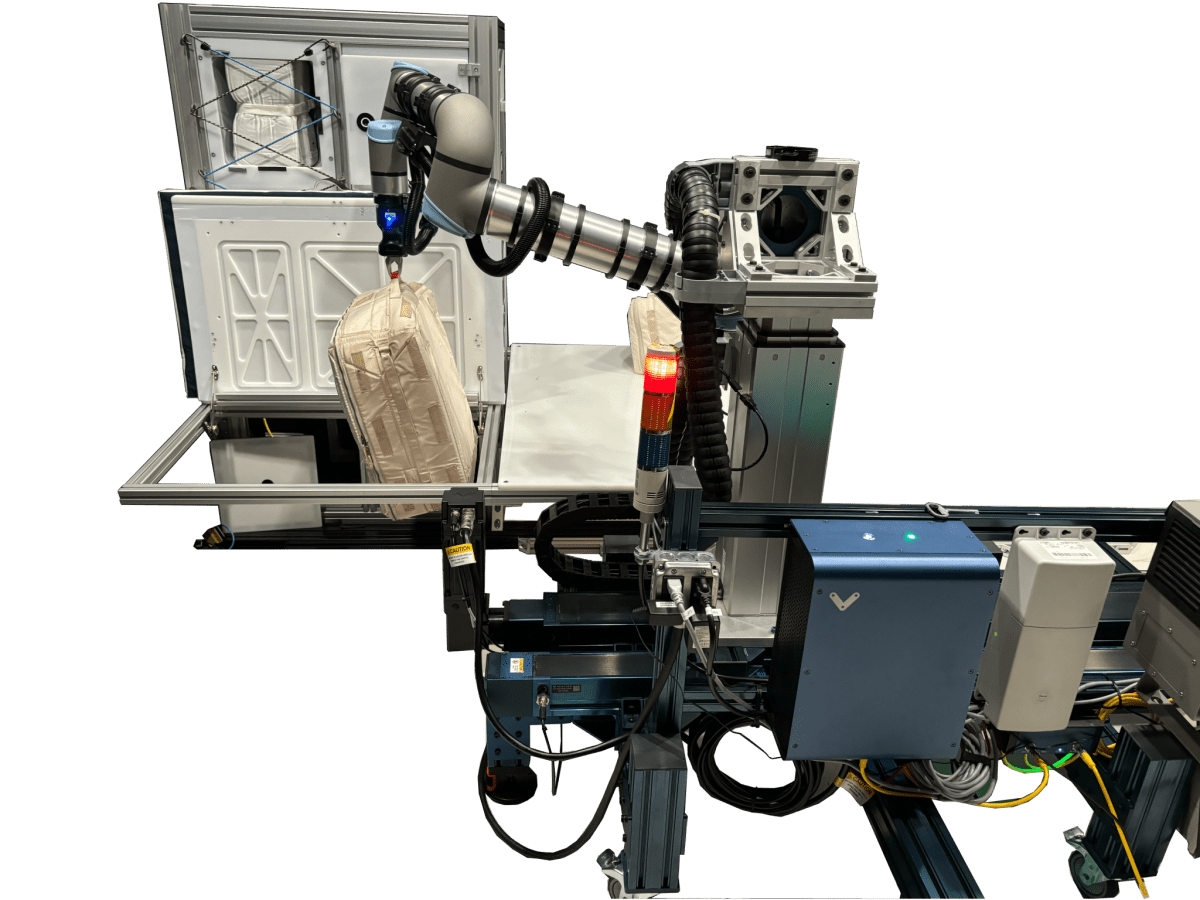
At Johnson Space Center in Houston, the software proved itself by controlling a robotic arm that could recognize a spacecraft hatch, turn the latch, grasp the handle, and transfer cargo bags to storage bins. These seemingly simple tasks require incredibly complex technology, including advanced decision-making and object recognition capabilities.
PickNik refined this technology into MoveIt Pro, releasing it commercially in 2023. Now the software that will support lunar missions is already making waves in unexpected places.
BMW uses MoveIt Pro on its robotic assembly lines to build vehicles. A company called Lightspeed programs massive robotic arms with the software to construct modular panels for affordable housing projects. Hivebotics relies on it to automate cleaning robots.
"The 35-person company might not have a product without NASA's early support," said Ezra Brooks, principal software engineer at PickNik. Robotic software requires years of research and development that most startups simply cannot afford alone.
The Ripple Effect
NASA's Small Business Innovation Research program provided the crucial early funding that made MoveIt Pro possible. That government investment enabled years of foundational algorithm refinement and testing that no small company could shoulder independently.
The partnership showcases how space exploration investments create unexpected benefits on Earth. Technology designed to handle cargo in zero gravity now helps build affordable homes for families and streamlines manufacturing that makes products more accessible.
For 50 years, NASA has documented these everyday benefits through its Spinoff publication, tracking how space technology improves life on our home planet.
As NASA prepares for long-term lunar missions, the robots being developed today will handle routine maintenance and logistics tomorrow, allowing human explorers to push further into the unknown while their innovations continue improving life back home.
More Images

Based on reporting by NASA
This story was written by BrightWire based on verified news reports.
Spread the positivity!
Share this good news with someone who needs it