NASA Rover Finds 4.2-Billion-Year-Old Rivers on Mars
NASA's Perseverance rover just discovered ancient river systems buried deep beneath Mars' surface that are 500 million years older than scientists expected. The find suggests the Red Planet had multiple chances to support life across its early history.
Mars just revealed a secret that's been hiding beneath its dusty surface for over four billion years.
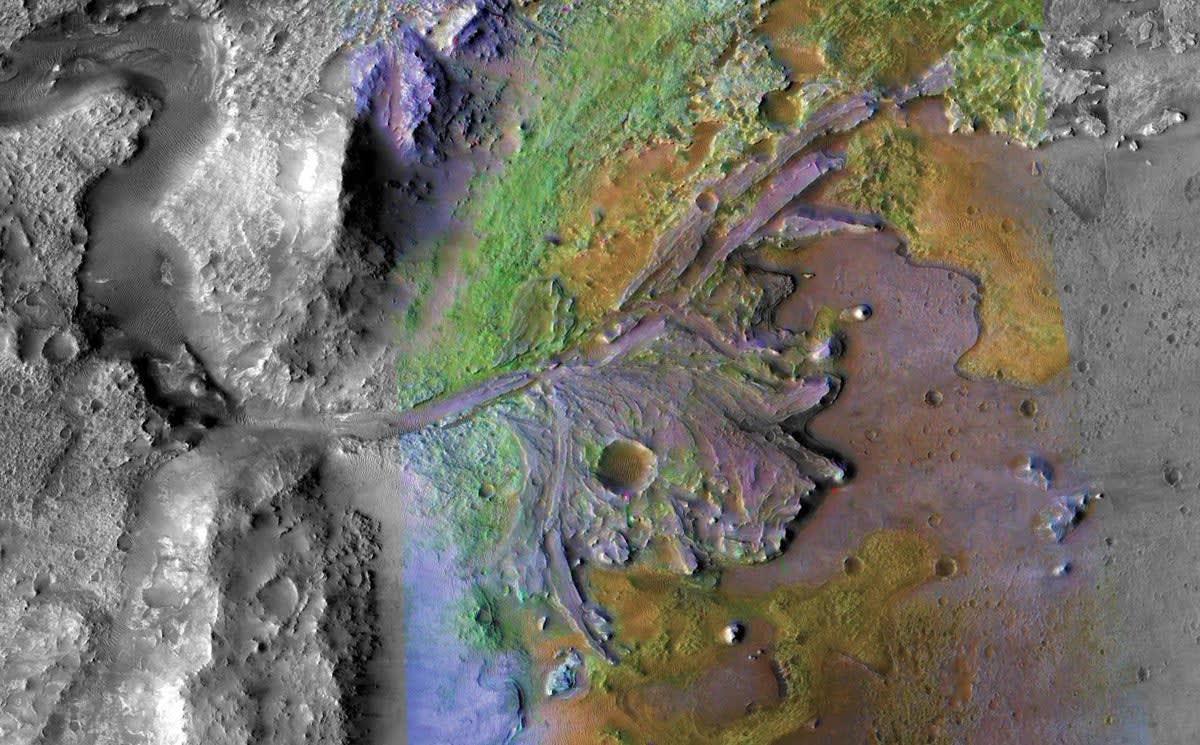
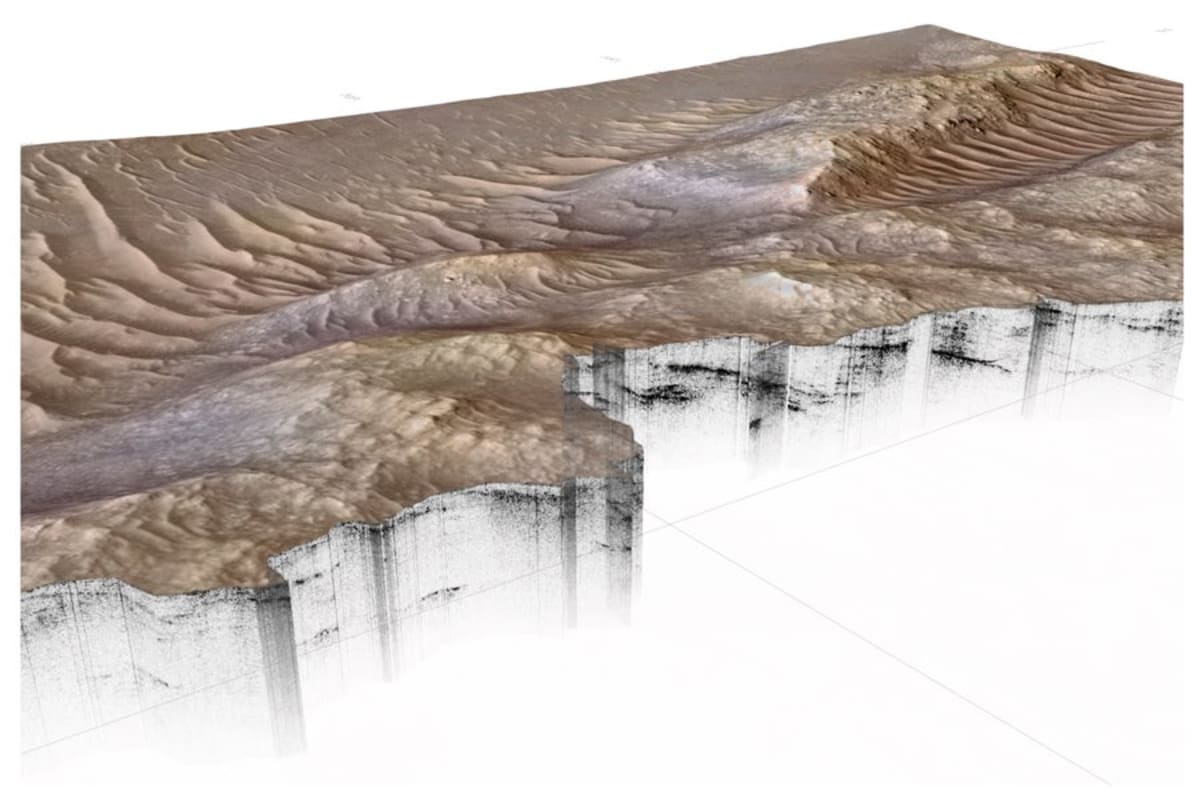
NASA's Perseverance rover used ground-penetrating radar to discover an ancient river delta system buried more than 35 meters below Jezero Crater. The buried waterways formed around 4.2 billion years ago, making them 500 million years older than the visible river deltas scientists have been studying from orbit.
Emily Cardarelli, the lead researcher from UCLA, says this discovery extends our understanding of when Mars could have supported life. The rover detected sinuous, meandering channels and river-carved slopes during its exploration between September 2023 and February 2024.
Jezero Crater formed when an asteroid slammed into Mars almost four billion years ago. NASA chose this spot for Perseverance because the visible river deltas suggested it was once filled with water and possibly life. Now scientists know there were multiple sustained periods of water flow, giving life several opportunities to emerge.
The discovery matters for Earth too. On our planet, rocks this old have been crushed, heated, and altered beyond recognition. Mars, frozen in time for billions of years, preserves a geological record that Earth destroyed long ago.
Why This Inspires
This ancient Martian riverbed does more than hint at extraterrestrial life. It opens a window into understanding how life begins anywhere in the universe, including on our own planet.
Jack Mustard, a planetary scientist at Brown University, compares it to the Mississippi Delta, which formed through multiple overlapping episodes of river activity. These layered systems create ideal conditions for preserving fossils and biosignatures.
On Earth, similar conditions produce minerals that lock in evidence of ancient life for billions of years. Finding these same environments on Mars gives scientists hope that definitive proof of life beyond Earth might be waiting in Jezero's depths.
Cardarelli says her team is still analyzing data from other areas of the crater. Each radar sweep reveals more about Mars' watery past and its potential to answer one of humanity's biggest questions: Are we alone?
The Red Planet keeps proving it has more stories to tell.
More Images

Based on reporting by Scientific American
This story was written by BrightWire based on verified news reports.
Spread the positivity!
Share this good news with someone who needs it