NASA Saves Voyager 2 With Risky Power Swap After 47 Years
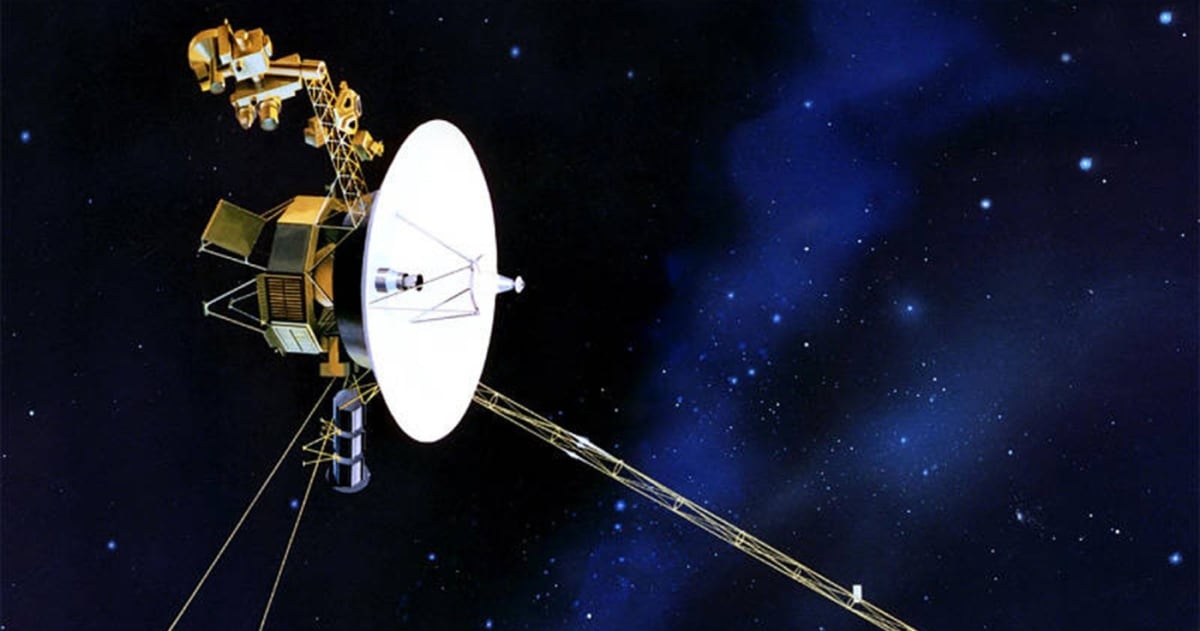
NASA engineers pulled off a delicate power shuffle on 47-year-old Voyager 2, buying the iconic spacecraft at least one more year of exploring the edge of our solar system. The team simultaneously shut down old components and swapped in energy-efficient alternatives in a high-stakes maneuver they called the "Big Bang."
After nearly half a century racing through space, Voyager 2 was running dangerously low on power until NASA engineers found a clever way to keep humanity's farthest explorer alive.
The Jet Propulsion Laboratory team faced a tough problem. Voyager 2 generates electricity from decaying plutonium, and after 47 years, that fuel source loses about 4 watts of power each year. With barely any energy to spare, mission controllers needed to act fast or shut down another scientific instrument by the end of 2026.
Their solution was bold. Engineers decided to simultaneously power down certain components and replace them with options that use less energy, all while making sure the spacecraft stayed warm enough to function in the freezing void of deep space.
Project Manager Suzanne Dodd explained why the team called it the "Big Bang." With deeply integrated systems and no room for error, this was a decision with "no do-overs." One wrong move could end the mission forever.
The gamble paid off. The power-saving effort freed up enough energy to keep Voyager 2's three remaining science instruments running for at least one additional year. Since 2024, the team has already switched off two instruments on each Voyager spacecraft from their original set of ten.
The Ripple Effect
Every watt saved represents a choice about what knowledge humanity still gets to gather from the edge of our solar system. Voyager 2 continues sending back unprecedented data from interstellar space, information no other human-made object can provide from that distance.
NASA plans to perform the same power swap on Voyager 1, which travels even farther from Earth. That work should wrap up in the coming months, extending both spacecraft's missions into the unknown.
These aging probes launched in 1977 and have outlived every expectation. Managing them now means making careful decisions about which discoveries matter most as power dwindles year by year.
One more year of science from the edge of everything is a win worth celebrating.
More Images


Based on reporting by Google News - Science
This story was written by BrightWire based on verified news reports.
Spread the positivity!
Share this good news with someone who needs it