NASA Scientists Study Earth's Caves to Find Alien Life
Researchers are exploring extreme cave environments on Earth to help locate life on Mars, icy moons, and beyond. These underground worlds could be the key to discovering we're not alone in the universe.
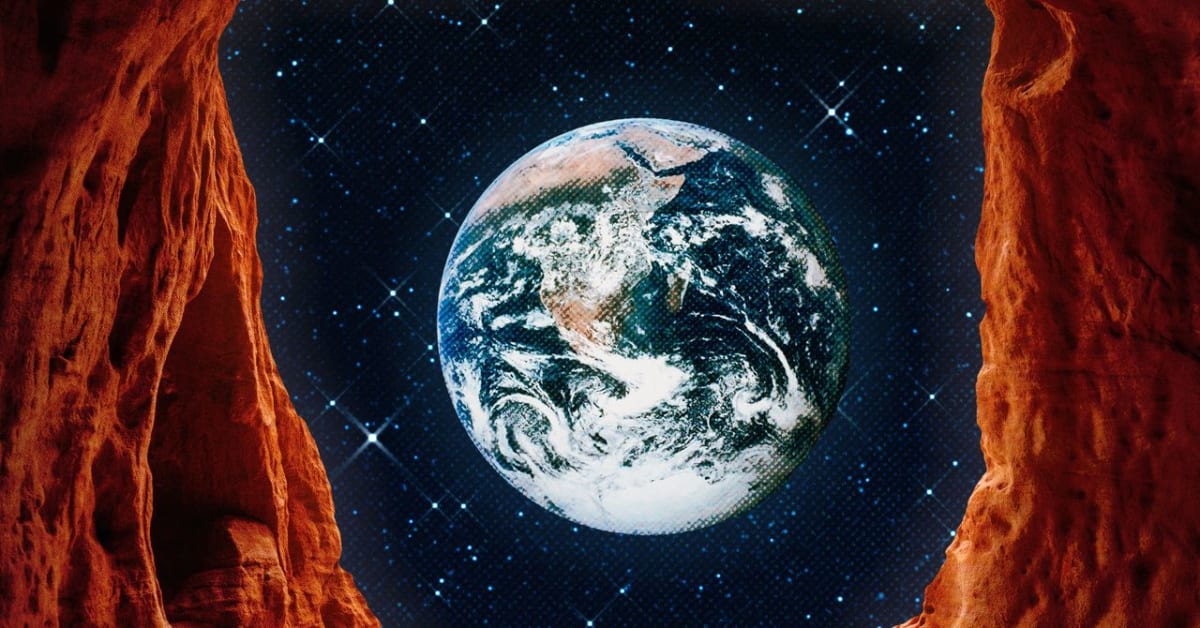
Scientists descending into Earth's deepest caves might hold the secret to finding aliens living beneath the surface of distant worlds.
NASA astrobiologist Penelope Boston has spent decades studying cave ecosystems, from toxic sulfur deposits in New Mexico to sunless chambers teeming with bizarre microbes. What started as a harrowing 1994 expedition (complete with cave microbes landing in her eye) sparked a revolutionary idea: caves on other planets could shelter alien life.
The discovery is changing how we search for extraterrestrial organisms. Even in Earth's darkest caves where sunlight never reaches and the air would kill humans, life doesn't just survive but thrives with incredible biodiversity.
"What I was originally expecting was that these harsh environments would see low biodiversity," Boston explains. "But they were quite the reverse."
This finding matters for one huge reason: other planets have caves too. Scientists have already discovered hundreds of cave openings on Mars and the Moon, plus a massive lava tube on Venus thousands of feet tall.
These planetary caves could protect alien microbes from deadly cosmic radiation and extreme temperatures on the surface. Deep Martian caves might even be warmer and wetter than we thought, creating perfect pockets for life.
The excitement extends beyond Mars. Icy moons like Jupiter's Europa and Saturn's Enceladus likely contain ice caves with interstitial lakes tucked inside their frozen shells, offering protected environments that might even receive safe amounts of sunlight.
Joshua Sebree, an astrobiology professor at the University of Northern Iowa, believes cave exploration represents our best current path to finding alien life. Space agencies worldwide are now developing missions specifically designed to explore these underground frontiers.
Why This Inspires
This research flips our understanding of where life can exist. The same extreme caves that seem inhospitable on Earth become protective havens in space, shielding potential organisms from dangers that would destroy them on the surface.
Boston's work proves that searching for aliens doesn't always require looking up at the stars. Sometimes the most profound discoveries about life in the universe come from looking down, into the depths beneath our feet, where entire ecosystems flourish in conditions we once thought impossible.
The next great discovery about life beyond Earth might come from a cave explorer right here at home.
More Images




Based on reporting by Wired Science
This story was written by BrightWire based on verified news reports.
Spread the positivity!
Share this good news with someone who needs it