NASA Space Weather Mission Exceeds Goals by 6 Months
A NASA instrument on the International Space Station just wrapped up a groundbreaking mission that revealed how hurricanes and tornadoes send invisible ripples all the way to space. The discovery could protect the satellites and GPS systems we rely on every day.
Earth's weather doesn't stop at the clouds. NASA just proved it reaches far beyond our atmosphere, creating waves that crash into the edge of space like ocean surf hitting a shoreline.
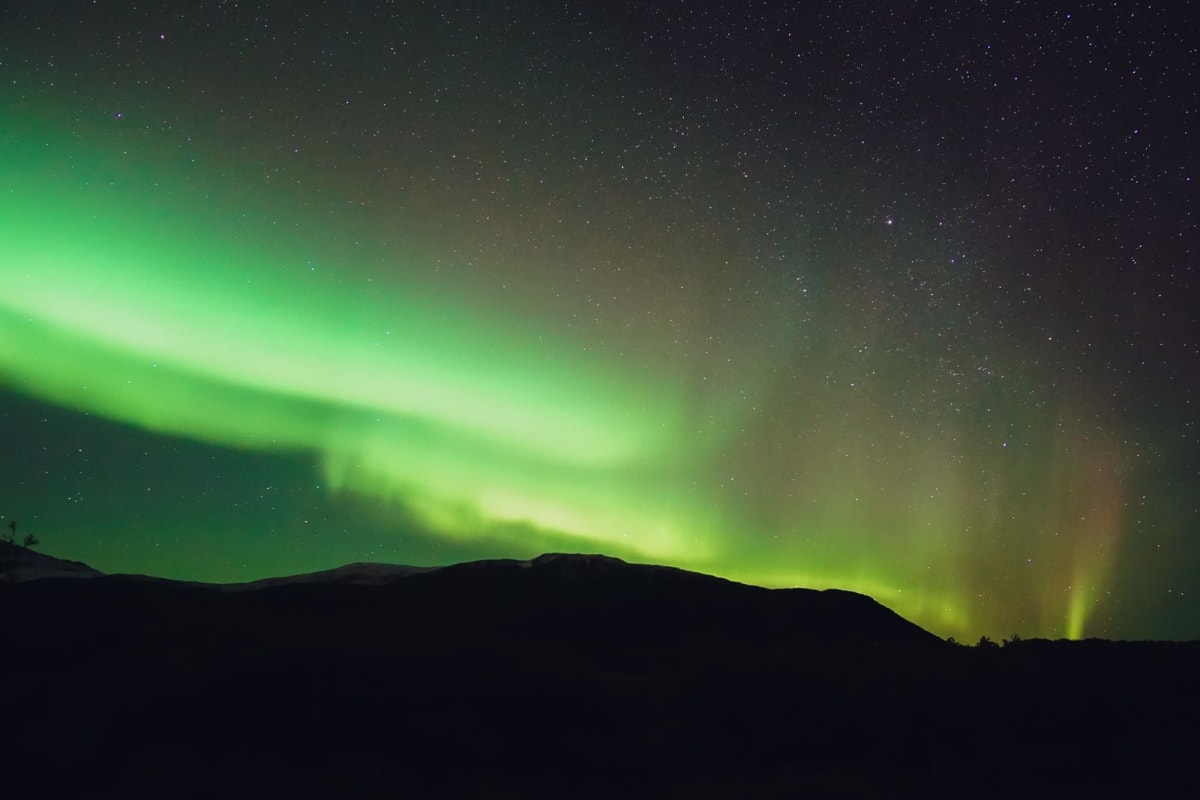
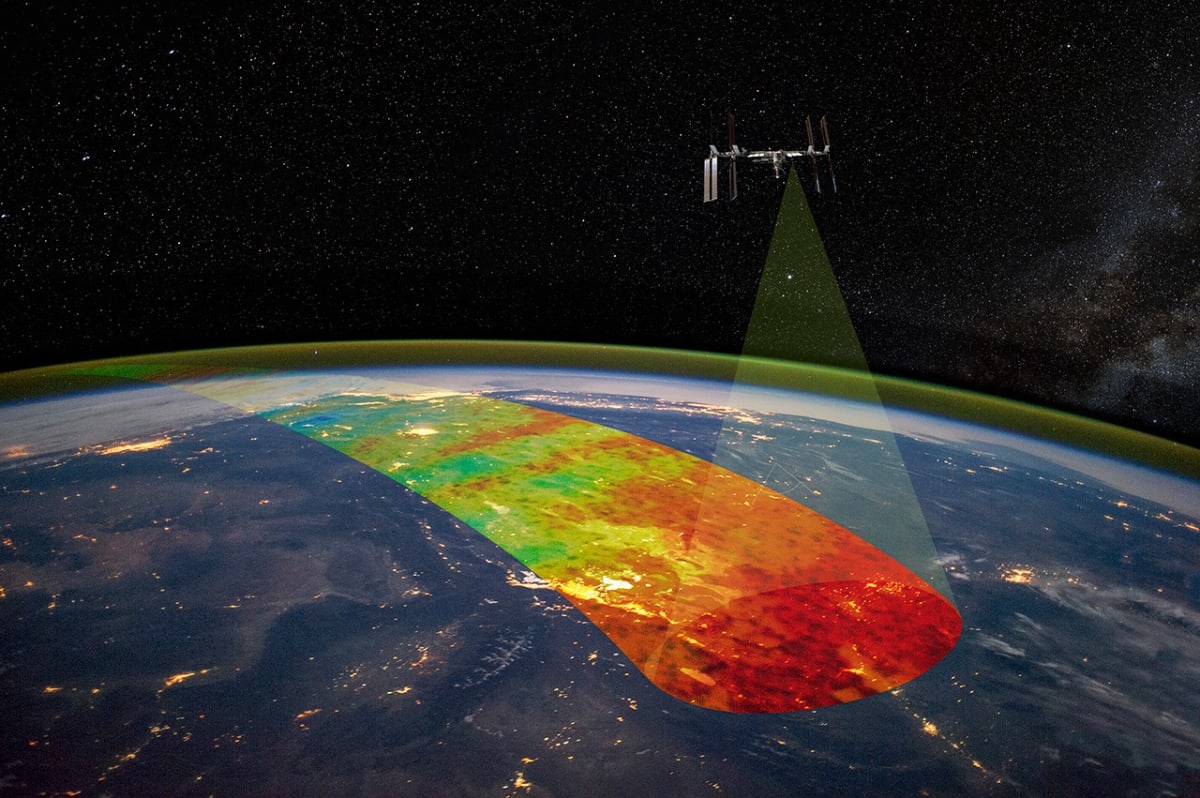
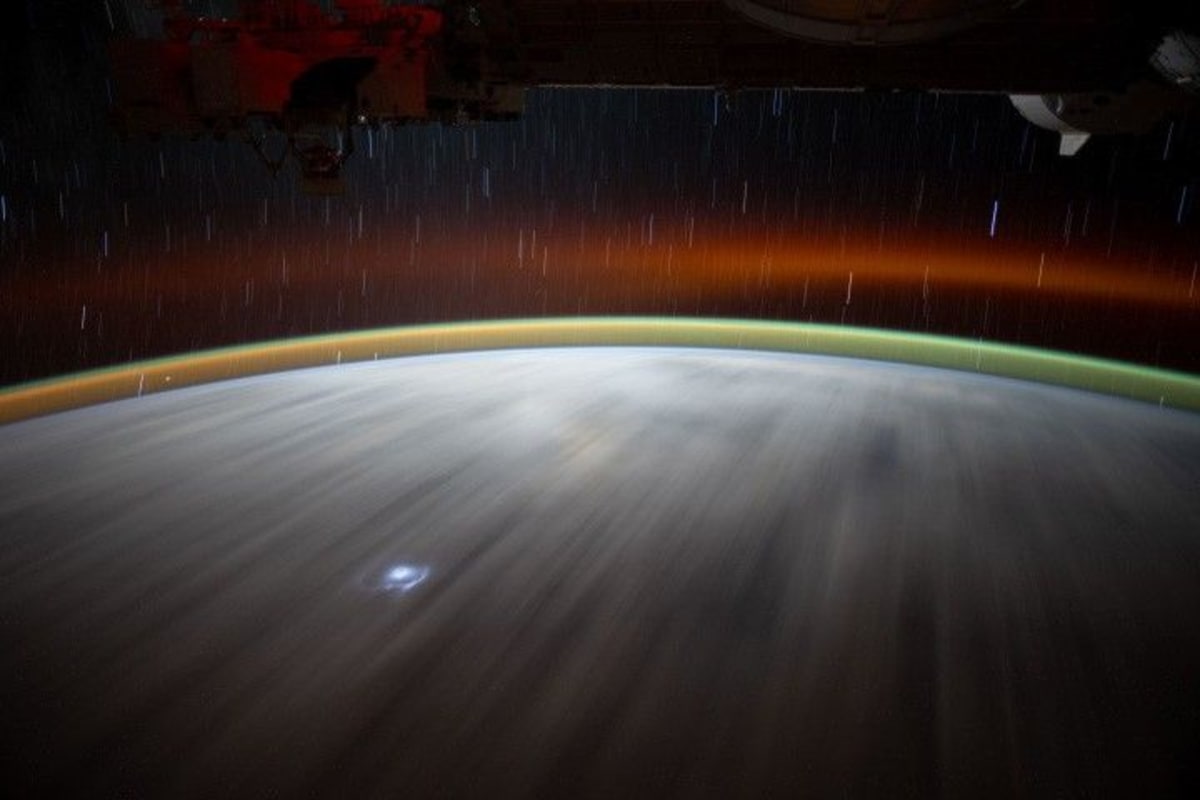
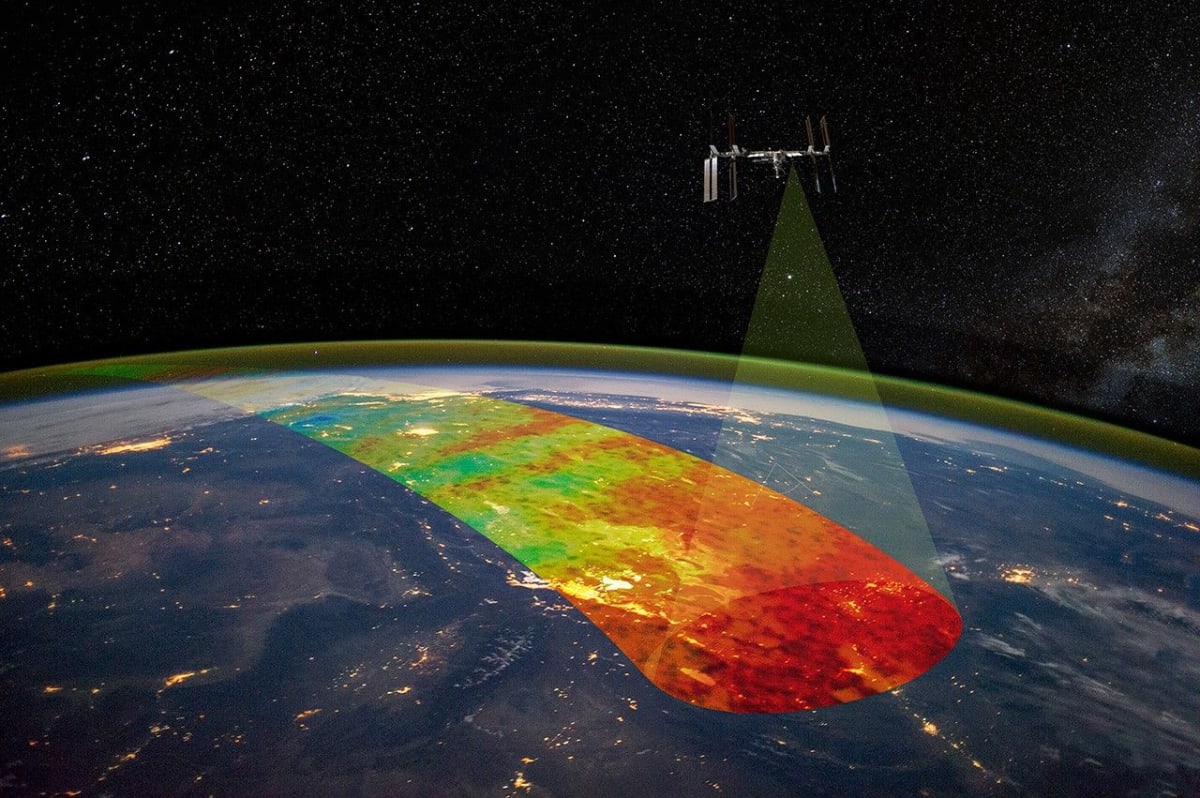
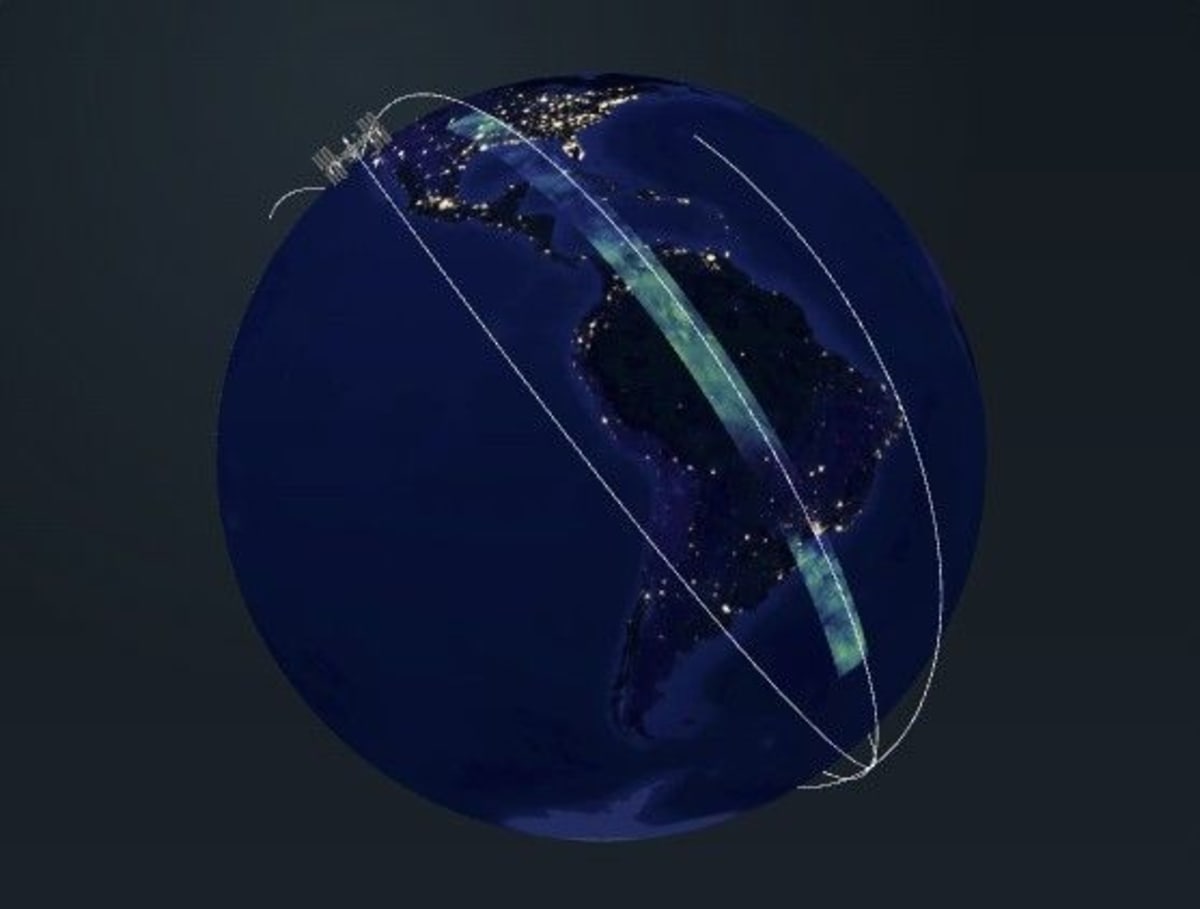
On May 21, NASA powered down its AWE (Atmospheric Waves Experiment) after 30 months of spectacular success. The refrigerator-sized instrument lived on the outside of the International Space Station, where it spent every night watching colorful bands of light in our atmosphere called airglow.
Inside that airglow, AWE discovered something remarkable. When tornadoes tear across Texas or hurricanes slam into Florida, they create giant ripples called atmospheric gravity waves that travel upward through the atmosphere and into space itself.
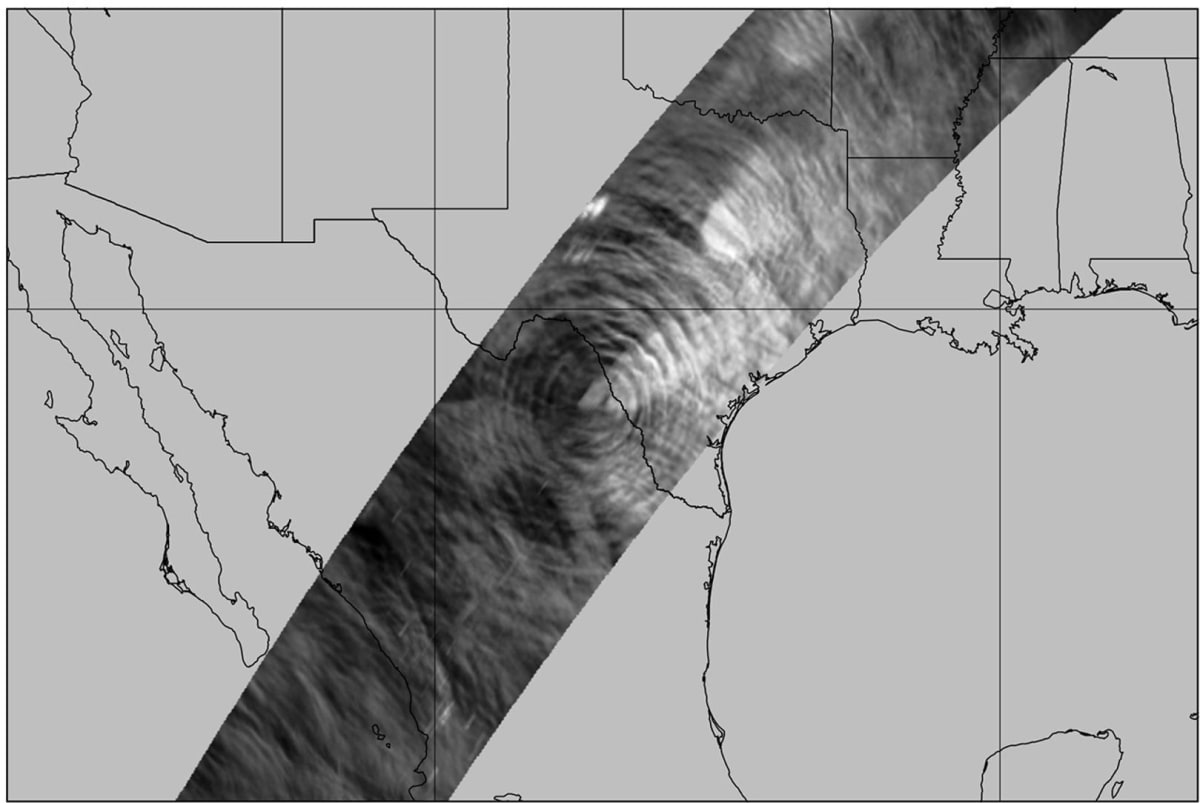
AWE captured over 80 million images during its mission. It watched a tornado outbreak in the central U.S. in May 2024 and Hurricane Helene battering Florida's gulf coast in September 2024. Each storm created its own unique signature in the upper atmosphere.
The instrument revealed that thunderstorms generate smaller, irregular waves, while other severe weather creates near-perfect concentric circles spreading across hundreds of miles. Some of these circles were captured on camera for the first time in history.
This matters for everyone with a smartphone. Those invisible waves create variations in the electrically charged gas high above Earth, which can disrupt radio signals between satellites and the ground. That means your GPS, cell service, and internet could all be affected by a thunderstorm happening states away.
"Our atmosphere is not a ceiling, but a living, breathing ocean in the sky," said Joe Westlake, director of NASA's Heliophysics Division. AWE proved that a wind gust over the Andes or a Midwest thunderstorm can shape the space weather affecting our orbital economy.
The Ripple Effect
The mission succeeded so well it ran six months longer than planned. Now AWE is making room for another experiment on the crowded space station exterior. The instrument will burn up during reentry, but its legacy lives on.
All 80 million images will become freely available to scientists and citizen researchers worldwide. Teams are already using the data to build better models for predicting how Earth's weather affects space, which could lead to more reliable satellite communications and navigation systems.
Principal investigator Ludger Scherliess notes the data reveals which types of waves have the greatest impact on our upper atmosphere. These waves have horizontal spans between 30 and 300 kilometers, exactly what AWE was designed to measure.
The mission transformed our understanding of where Earth's influence ends and space begins, and the answer surprised everyone: there's no clear line at all.
More Images
Based on reporting by NASA
This story was written by BrightWire based on verified news reports.
Spread the positivity!
Share this good news with someone who needs it