Scientists Find Hidden Pattern That Could Detect Alien Life
Researchers discovered that life creates a unique molecular pattern that can be detected without special instruments. The breakthrough could help NASA missions like Europa Clipper finally answer whether we're alone in the universe.
Scientists just figured out how to spot alien life by reading nature's hidden recipe book.
Researchers at the University of California, Riverside, discovered that living things arrange molecules in detectable patterns that differ from non-living chemistry. Think of it like the difference between a carefully organized spice rack and randomly scattered ingredients.
The team found something fascinating: amino acids created by life are consistently more diverse and evenly spread out. Fatty acids work the opposite way, becoming less diverse when life makes them. These telltale patterns could serve as cosmic fingerprints for detecting alien organisms.
"Our work demonstrates that life produces molecular mixtures with characteristic patterns that differ from non-life," said Fabian Klenner, assistant professor of planetary sciences and study co-author. "These patterns can clearly be detected using our statistical approach."
Here's the exciting part: scientists don't need fancy new equipment to use this method. The team's statistical approach works with data already being collected by existing missions, meaning researchers might already have evidence of extraterrestrial life sitting in their databases.
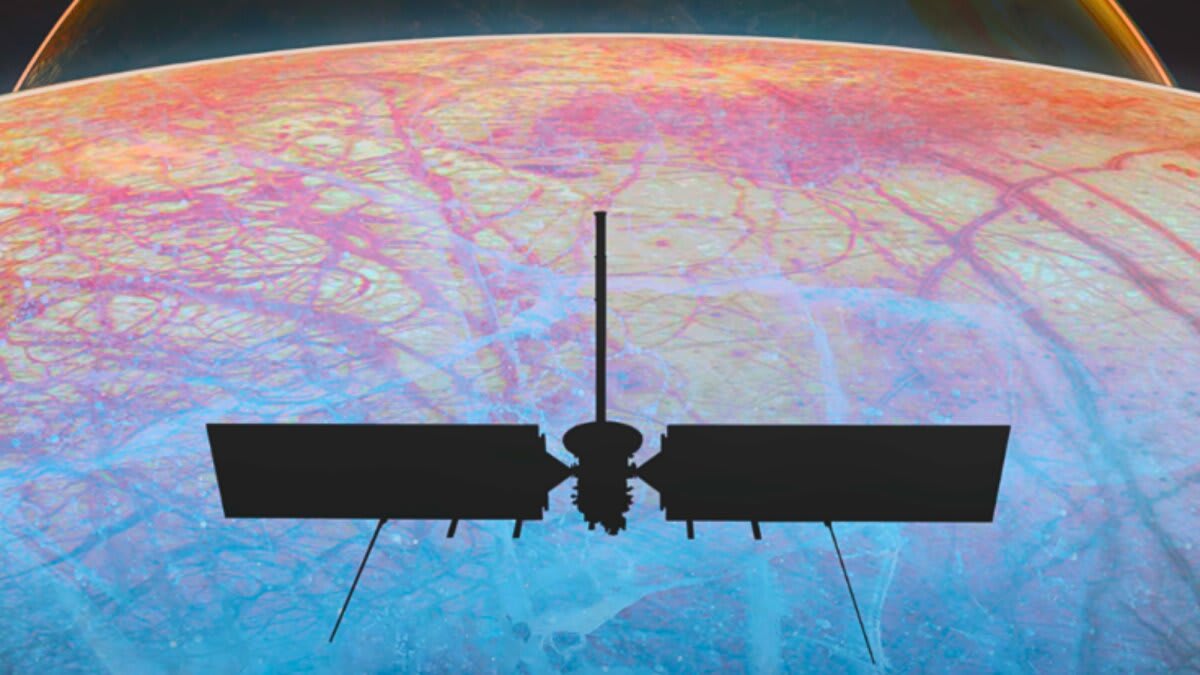
NASA's Europa Clipper mission could put this discovery to the test when it reaches Jupiter's moon Europa in 2031. The spacecraft's Surface Dust Analyzer can detect organic molecules in Europa's vast subsurface ocean, a prime candidate for harboring alien life.
Why This Inspires
This breakthrough changes how we search for our cosmic neighbors. Instead of looking only for Earth-like molecules, scientists can now detect unfamiliar forms of biology based on how they organize chemistry.
The method casts a wider net because it focuses on molecular structure rather than specific compounds. That means it could spot forms of life completely different from anything on Earth.
Even better, researchers can apply this approach to mountains of archived data from past missions. Every old dataset becomes a potential treasure trove that might reveal we've already found evidence of life without realizing it.
The discovery doesn't guarantee we'll find aliens tomorrow, but it gives scientists a powerful new tool in humanity's most profound search. We just moved one important step closer to answering the universe's biggest question.
More Images


Based on reporting by New Atlas
This story was written by BrightWire based on verified news reports.
Spread the positivity!
Share this good news with someone who needs it