NASA Spacecraft Maps 6,000 Possible Worlds Beyond Earth
NASA's TESS spacecraft just revealed its most complete sky map yet, showing nearly 6,000 potential planets beyond our solar system discovered over eight years. Some of these distant worlds sit in zones where liquid water could exist, bringing us closer to answering whether we're alone in the universe.
After eight years of scanning the cosmos, NASA's planet-hunting spacecraft has given us our most complete picture yet of worlds beyond our own.
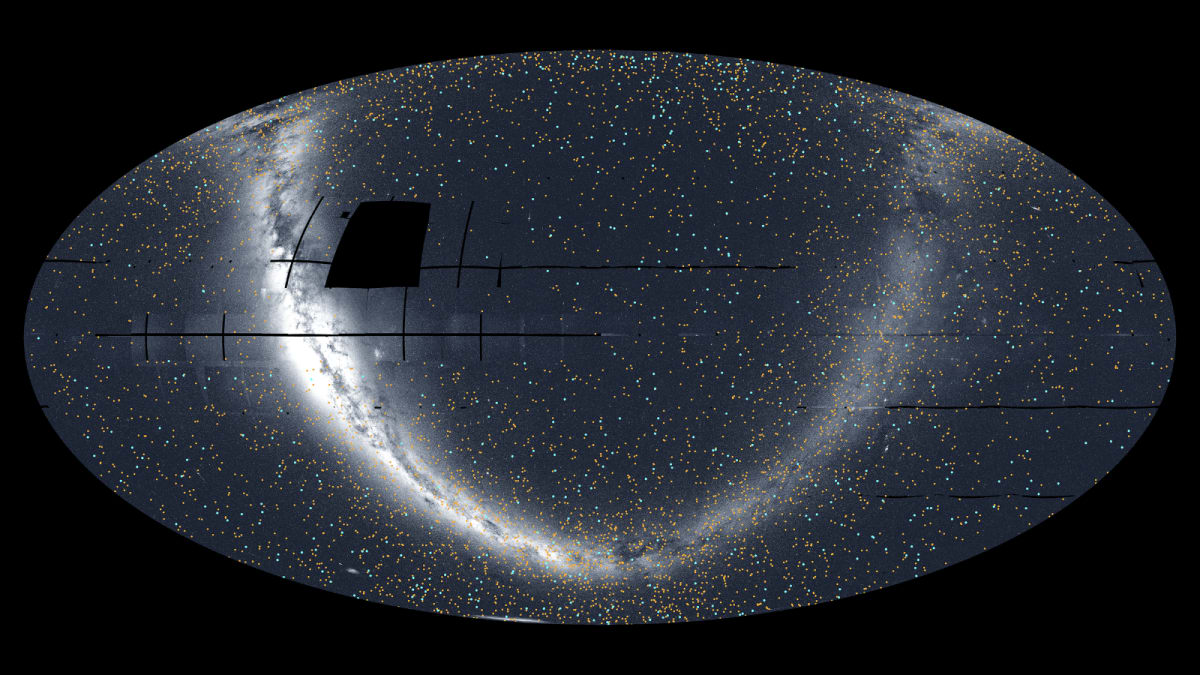
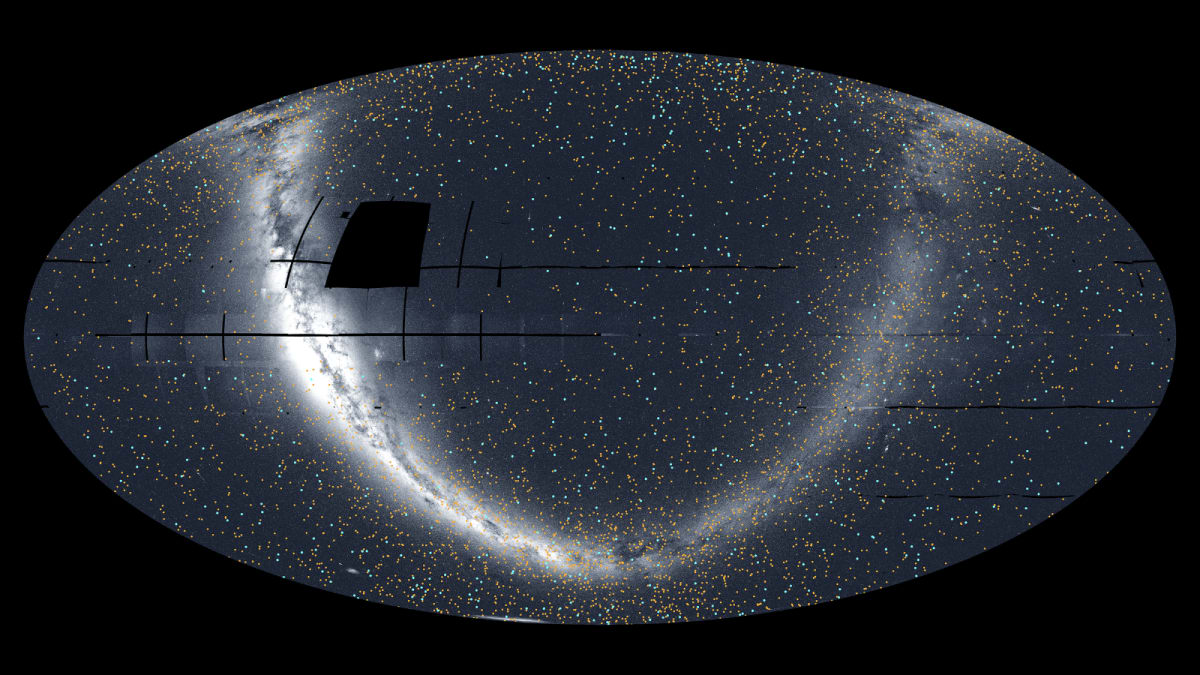
The Transiting Exoplanet Survey Satellite (TESS) released a stunning all-sky map in September 2025 showing 679 confirmed planets and over 5,000 candidate worlds waiting for verification. The blue and orange dots scattered across the map represent years of patient observation, each one a potential answer to humanity's oldest question: Are we alone?
TESS finds these distant planets by watching for tiny dips in starlight when a planet crosses in front of its star. The spacecraft divides the sky into sectors and studies each one for about a month using four cameras before moving on to the next patch of cosmic real estate.
"Over the last eight years, TESS has become a fire hose of exoplanet science," says Rebekah Hounsell, a TESS associate project scientist at NASA's Goddard Space Flight Center. The discoveries range from tiny Mercury-sized worlds to gas giants larger than Jupiter.
What makes these findings especially exciting is where some of these planets live. A number sit in the habitable zone, that Goldilocks region around their star where temperatures could allow liquid water to exist on the surface.
The mission has uncovered some truly strange worlds too. Scientists found planets being torn apart by their own stars, worlds covered in active volcanoes, and even evidence of two planets colliding in a cosmic smashup similar to the ancient impact that may have created our own moon.
Why This Inspires
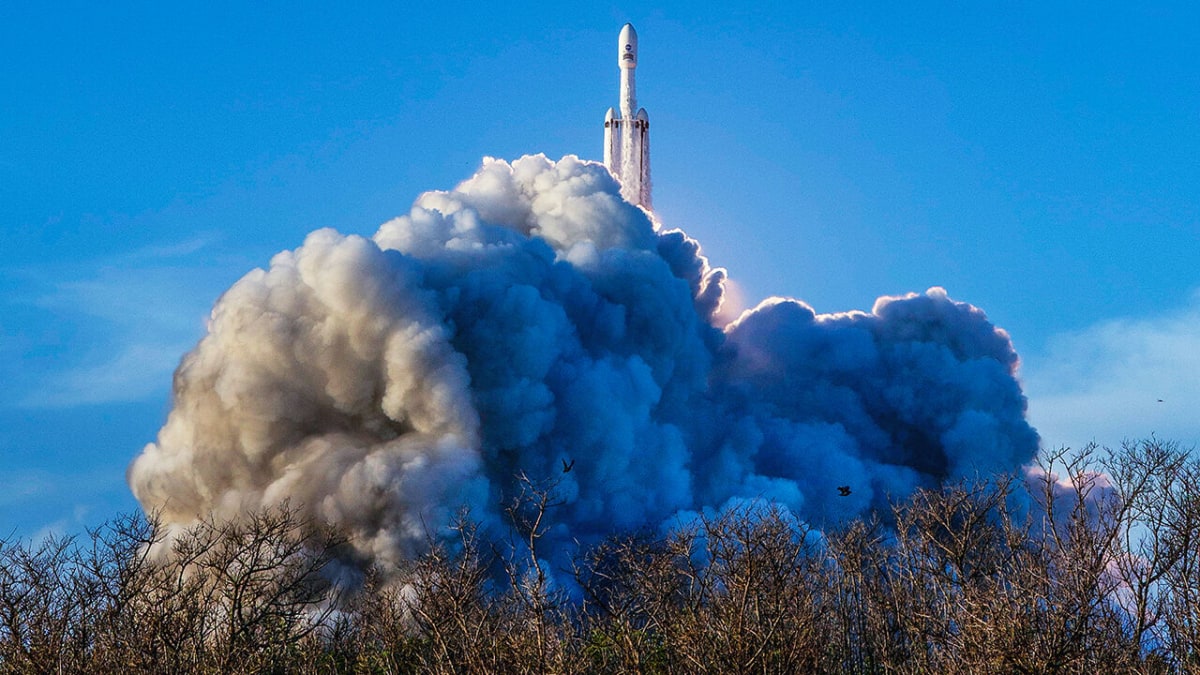
Beyond planets, TESS has helped astronomers study streams of young stars, track asteroids near Earth, and observe dynamic galaxy behavior. The spacecraft launched from Cape Canaveral in April 2018, and its mission has now been extended twice because of its incredible success.
Each sector observed by TESS contains tens of thousands of stars. The new mosaic combines 96 sectors of observations, creating a treasure map of potential worlds that future missions can study in greater detail.
Just this year, TESS discovered a planetary system unlike any seen before, with a super-Earth and a companion planet in a highly tilted, stretched-out orbit. Automated algorithms continue to dig through the massive dataset, regularly turning up surprises.
"The more we dig into the large TESS dataset, especially using automated algorithms, the more surprises we find," notes Allison Youngblood, the TESS project scientist at NASA Goddard.
As TESS continues filling in more of the night sky with each passing month, scientists can only imagine what other cosmic wonders await discovery in the data still being collected.
More Images

Based on reporting by Space.com
This story was written by BrightWire based on verified news reports.
Spread the positivity!
Share this good news with someone who needs it