NASA Studies Air Taxi Noise to Make Future Flights Quieter
NASA just completed a major study to ensure the air taxis of tomorrow won't drive communities crazy with noise. The findings could shape how and where these futuristic aircraft fly when they launch in the coming years.
Imagine a future where you skip traffic jams by hopping into an air taxi for a quick ride across the city. NASA is working hard to make sure that future sounds good in every sense of the word.
The space agency recently wrapped up a groundbreaking study examining how people in different communities react to air taxi noise. Between late August and September 2025, 359 volunteers across Los Angeles, New York City, and Dallas-Fort Worth listened to 67 different aircraft sounds and shared their honest reactions.
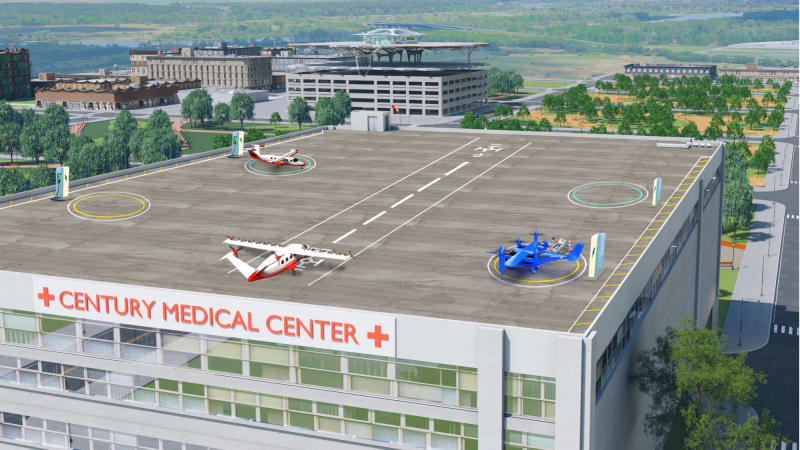
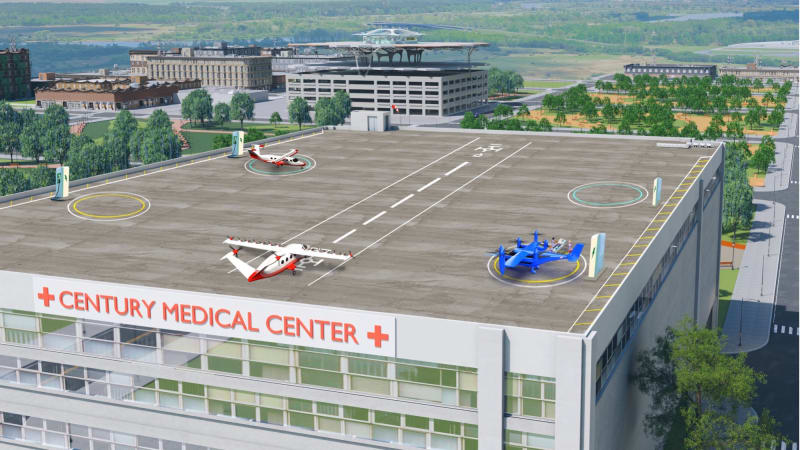
The research focused on air taxis, which are short-distance aircraft designed to carry people for everything from daily commutes to emergency medical transport. These futuristic vehicles could take to American skies soon, making it crucial to understand their impact on the people living below.
The results revealed something unexpected. Residents in already noisy urban areas reported feeling more bothered by air taxi sounds than people in quieter suburban locations. NASA researchers believe folks in loud environments might simply be more sensitive to additional noise layered on top of what they already hear daily.
Lead researcher Sidd Krishnamurthy from NASA's Langley Research Center explained the stakes clearly. "With air taxis coming soon, we need to understand how people will react to a variety of future aircraft sounds," he said. The team designed the test carefully, hiding manufacturer names and aircraft images to ensure unbiased feedback.
Most participants tested from home using their own devices, while a control group of 20 people listened at NASA Langley with standardized equipment. Both groups responded similarly, confirming the home testing approach worked well.
The Ripple Effect
This research does more than just measure annoyance levels. The findings will directly guide how engineers design future air taxis and help regulators decide where these aircraft can fly. By listening to community concerns now, NASA is helping ensure these innovations enhance our lives rather than disrupt them.
The study represents years of NASA aeronautics work focused on integrating new air transportation safely and effectively into American communities. It fills a critical gap in understanding human responses to unfamiliar aircraft sounds before they become everyday occurrences.
Tomorrow's transportation is taking shape today, and thanks to this research, it's being designed with your peace and quiet in mind.
More Images


Based on reporting by NASA
This story was written by BrightWire based on verified news reports.
Spread the positivity!
Share this good news with someone who needs it