NASA's AI Finds 7,000 New Planet Candidates in TESS Data
A NASA artificial intelligence tool that already discovered 370 planets just leveled up, identifying 7,000 promising new planet candidates. The best part? Anyone can download it for free and join the hunt.
Scientists just got a powerful new assistant in the search for worlds beyond our solar system, and it's working faster than anyone expected.
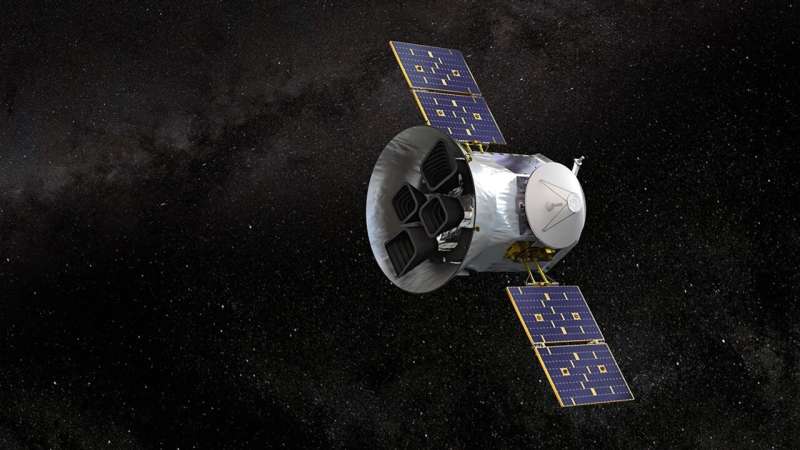
NASA's ExoMiner++, an upgraded artificial intelligence tool, has identified 7,000 potential new planets in data from the TESS space telescope. The open-source software is now available for free on GitHub, meaning any researcher in the world can use it to search for undiscovered planets hiding in NASA's public data archives.
The original ExoMiner made headlines in 2021 when it validated 370 new planets from older Kepler mission data. Now the updated version has been trained on data from both Kepler and TESS, giving it the ability to spot planet candidates with remarkable accuracy.
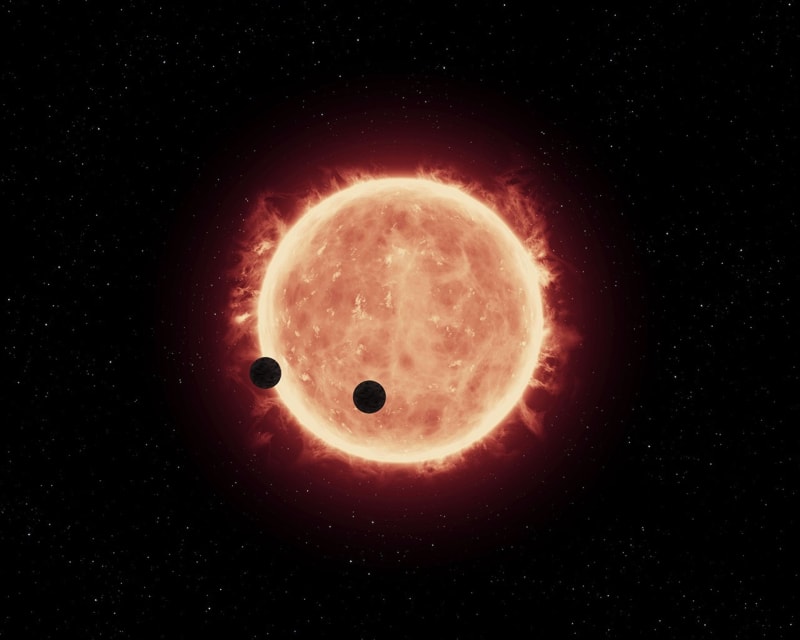
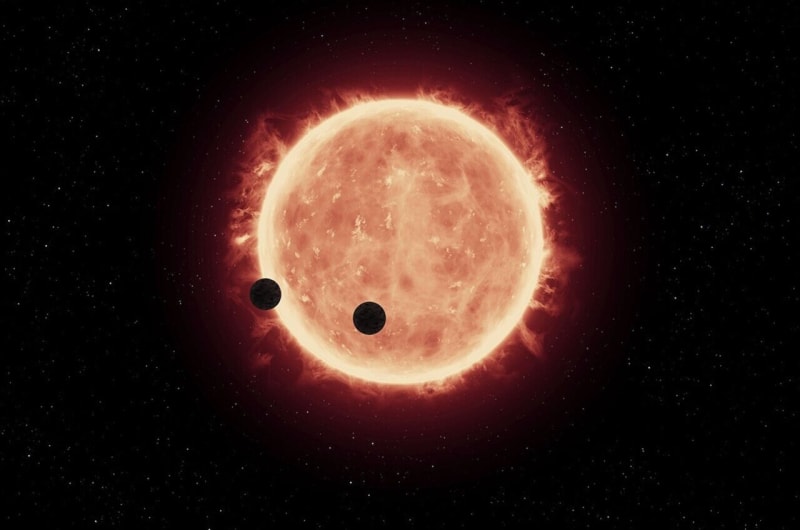
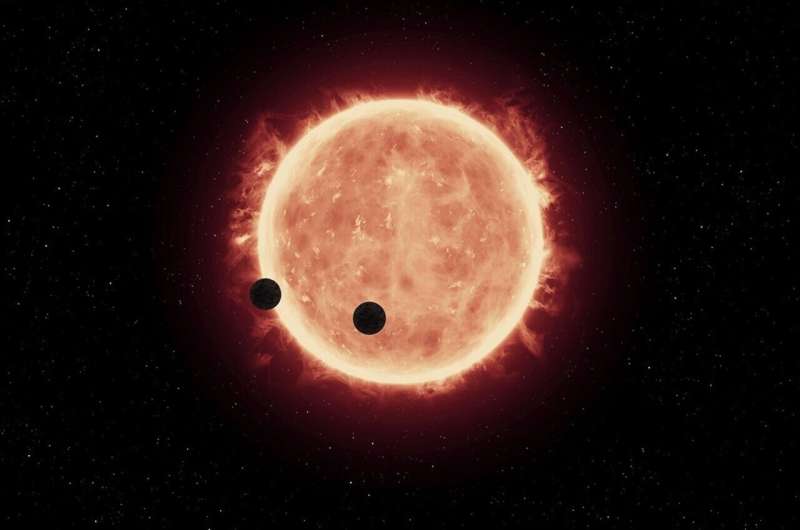
Here's how it works: when a planet passes in front of its star, it causes a tiny dip in brightness. But other things, like eclipsing binary stars, can create similar patterns. ExoMiner++ uses deep learning to tell the difference, sifting through hundreds of thousands of signals to find the real planets.
"When you have hundreds of thousands of signals, like in this case, it's the ideal place to deploy these deep learning technologies," said Miguel Martinho, co-investigator for ExoMiner++ at NASA Ames. The AI can process this massive amount of data far faster than humans working alone.
The timing couldn't be better. TESS is currently surveying nearly the entire sky, searching for planets around nearby stars. Meanwhile, NASA's upcoming Nancy Grace Roman Space Telescope will capture tens of thousands more planet transits when it launches, and all that data will be publicly available too.
The Ripple Effect
The real magic happens when science becomes a team sport. By making ExoMiner++ freely available, NASA is inviting researchers worldwide to accelerate discoveries together.
"Open-source software like ExoMiner accelerates scientific discovery," said Kevin Murphy, NASA's chief science data officer. When researchers share their tools freely, others can replicate results, dig deeper into data, and build on each other's work.
The ExoMiner team is already working on the next upgrade. Future versions will be able to identify planet signals directly from raw data, rather than needing a pre-screened list of candidates. That means even more discoveries ahead.
Scientists have confirmed over 6,000 planets orbiting other stars so far, with more than half discovered through Kepler and TESS data. But researchers believe thousands more are still hiding in the archives, waiting to be found.
With AI tools like ExoMiner++ now in the hands of scientists everywhere, the pace of planet discovery is about to accelerate like never before.
More Images

Based on reporting by Phys.org
This story was written by BrightWire based on verified news reports.
Spread the positivity!
Share this good news with someone who needs it