NASA's Artemis II Crew Returns Humanity to the Moon in 2026
Four astronauts will loop around the moon in February 2026, marking humanity's return to deep space after 50 years. This mission signals a new era of cooperative space exploration that's building the foundation for permanent lunar presence.
In early 2026, four astronauts will travel farther from Earth than anyone has in over half a century, and their journey represents something far bigger than a test flight.
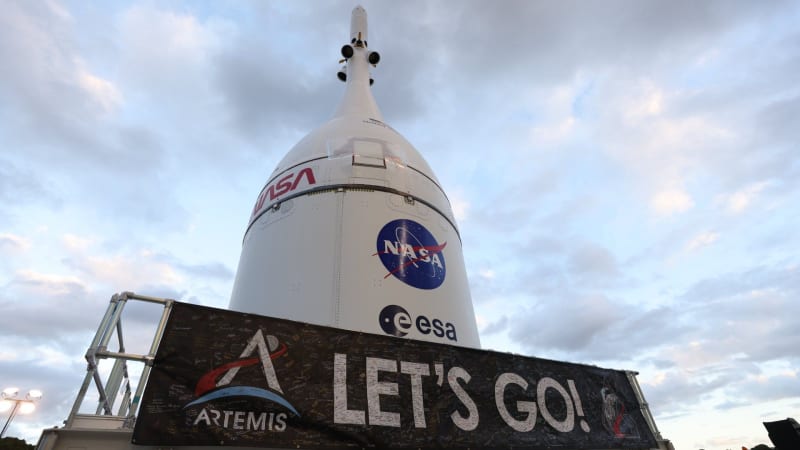
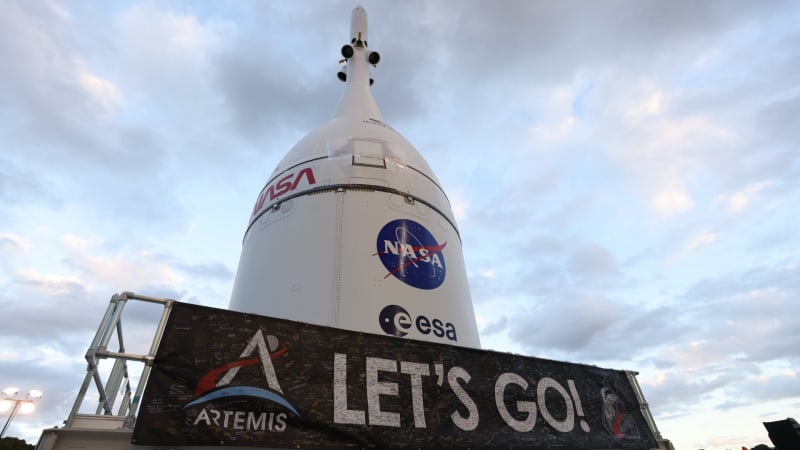
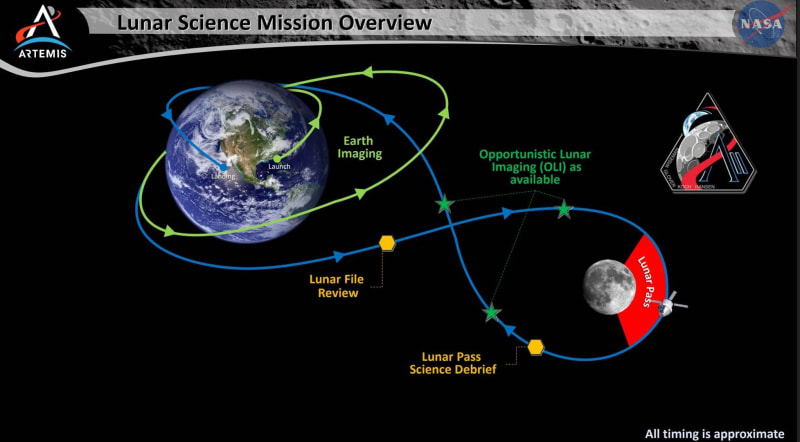
NASA's Artemis II mission will send a crew around the moon's far side, testing the systems that will soon return humans to the lunar surface. Unlike the Cold War space race that pitted two superpowers against each other, this mission launches a cooperative vision for sustained human presence beyond Earth.
The contrast with 1970's Apollo missions couldn't be starker. Back then, the United States and Soviet Union competed alone in a race for prestige and political supremacy. Today, more nations than ever are heading to the moon, but the winning strategy has completely changed.
The Artemis program brings together countries and commercial companies in a shared framework for lunar exploration. Partners can align their own missions around NASA's timeline, building capabilities together rather than duplicating efforts in isolation. This open approach expands what's possible and helps establish shared expectations for how everyone operates on the moon.
China has emerged as a major lunar competitor with an impressive robotic program. Its missions have landed on the moon's far side and returned samples to Earth, with plans for a crewed landing by 2030. However, China's program remains centrally controlled with selective partnerships and limited transparency about future coordination.
Artemis II won't land on the moon, but that's not the point. Sending people beyond low Earth orbit demonstrates the sustained political commitment, funding stability, and system reliability that inspires confidence in sovereign and commercial partners worldwide.
The mission serves as a crucial bridge to Artemis III, where astronauts will land near the moon's south pole in 2028. Testing life support and navigation systems with a real crew proves the United States is moving from experimentation to sustained presence.
Why This Inspires
This mission matters because it shows how cooperation can achieve what competition alone cannot. When nations and companies work within shared frameworks, they multiply their capabilities and establish peaceful norms for activities in space.
The 1967 Outer Space Treaty requires countries to avoid harmful interference with each other's activities, but those rules stayed mostly theoretical for decades. Now, as multiple nations prepare for sustained lunar operations, the countries that show up regularly and demonstrate responsible behavior will shape expectations for everyone who follows.
Artemis II proves that the new space race isn't about planting flags first. It's about building systems that last, partnerships that expand human capability, and frameworks that ensure space remains accessible for generations to come.
Humanity is going back to the moon, and this time, we're planning to stay.
More Images


Based on reporting by Space.com
This story was written by BrightWire based on verified news reports.
Spread the positivity!
Share this good news with someone who needs it