NASA's Artemis II Crew Returns, Next Mission Set for 2027
After the successful Artemis II lunar flyby, NASA is already preparing for the next chapter in returning humans to the moon. The Artemis III crew will practice crucial docking maneuvers in Earth's orbit next year, bringing us one step closer to the first lunar landing in over 50 years.
Just days after the Artemis II crew splashed down safely in the Pacific Ocean, NASA is already looking ahead to what comes next.
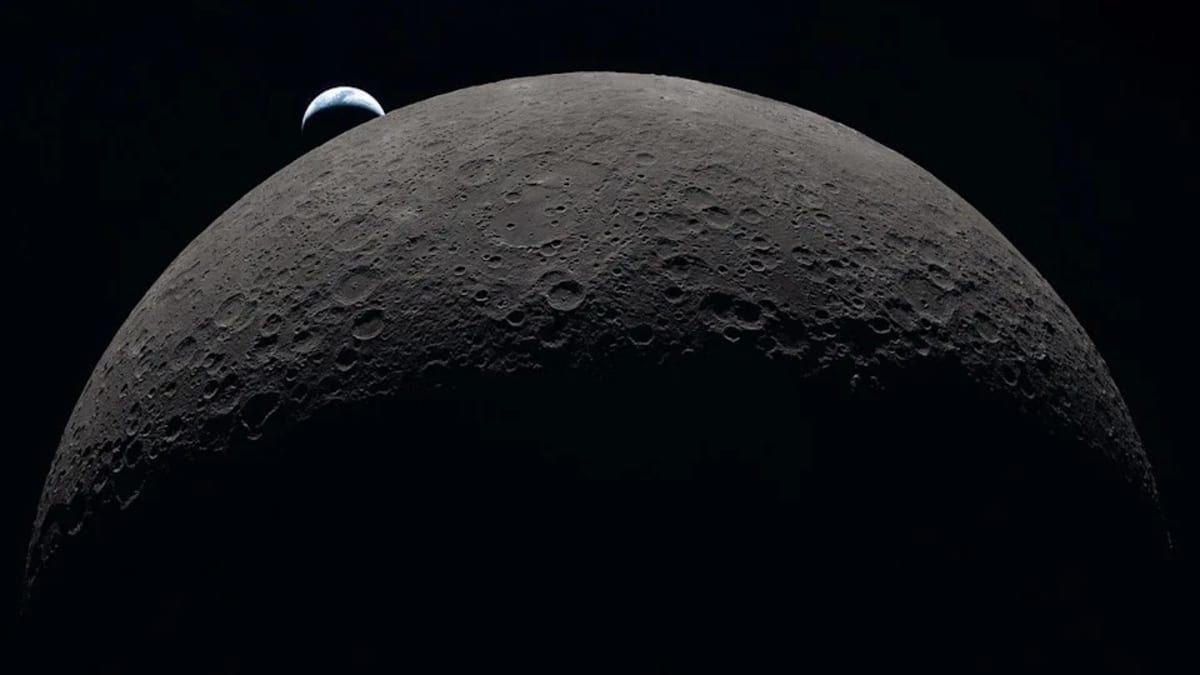
The four astronauts returned from a historic lunar flyby on April 10, 2026, marking humanity's first trip around the moon in more than five decades. But there's no time to rest on these accomplishments.
"The next mission's right around the corner," said entry flight director Rick Henfling after Saturday's successful splashdown. He's not exaggerating.
Artemis III is scheduled to launch next year, though this time astronauts will stay closer to home. The crew will remain in Earth's orbit to practice a critical skill: docking their Orion capsule with a commercial lunar lander.
Think of it as a dress rehearsal before the big show. NASA is reducing risk by testing everything in Earth's orbit first, mirroring the careful approach that made the Apollo program successful.
The competition to build that lunar lander is heating up between two familiar names. Elon Musk's Starship and Jeff Bezos' Blue Moon are both racing to prove their technology works first.
The stakes are high because the winner could also carry astronauts during Artemis IV, the mission planning the first actual moon landing of the program in 2028. Both billionaires are pushing hard, with SpaceX preparing another Starship test flight and Blue Origin working toward its own lunar landing demonstration later this year.
NASA isn't waiting around either. Key hardware for the docking test is already positioned at Kennedy Space Center, ready to go.
The Ripple Effect
This isn't just about planting flags and taking photos. NASA and its partners are targeting the moon's south pole, where scientists believe vast reserves of ice exist beneath the surface.
That ice could provide water and fuel for a permanent lunar base. The project carries a price tag between $20 billion and $30 billion, but it represents something bigger: humanity's first real foothold on another world.
The moon could become a stepping stone for deeper space exploration. What we learn there about living and working off Earth could one day help us reach Mars and beyond.
NASA is expected to announce the Artemis III crew soon, adding names to a mission that's already taking shape in hangars and laboratories across the country. Every successful test flight, every splashdown, every docking maneuver brings us closer to seeing bootprints in lunar dust once again.
The Artemis II crew proved we can get there and back safely, and now the real work of returning to stay begins.
More Images



Based on reporting by Google: space mission success
This story was written by BrightWire based on verified news reports.
Spread the positivity!
Share this good news with someone who needs it