NASA's Artemis II Moon Rocket Completes Major Fueling Test
NASA just finished filling its massive Moon rocket with 700,000 gallons of propellant, bringing the first crewed lunar mission in over 50 years one giant leap closer to reality. The successful wet dress rehearsal marks a critical milestone for the four astronauts preparing to orbit the Moon.
The world's most powerful rocket is ready to take humans back toward the Moon, and NASA just proved it can fuel the beast.
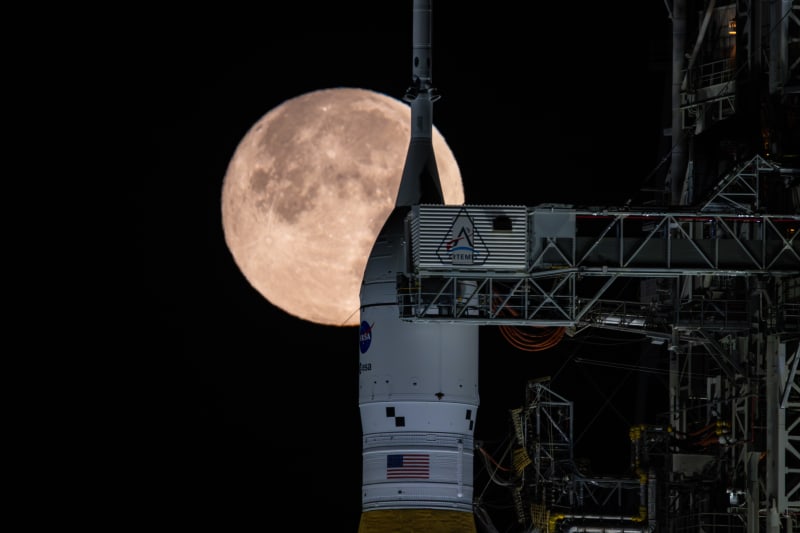
Engineers at Kennedy Space Center in Florida completed a crucial fueling test for the Artemis II mission, pumping 700,000 gallons of propellant into the towering Space Launch System rocket. The test simulated every step of launch day, from the initial "call to stations" on January 31st through a mock launch window opening.
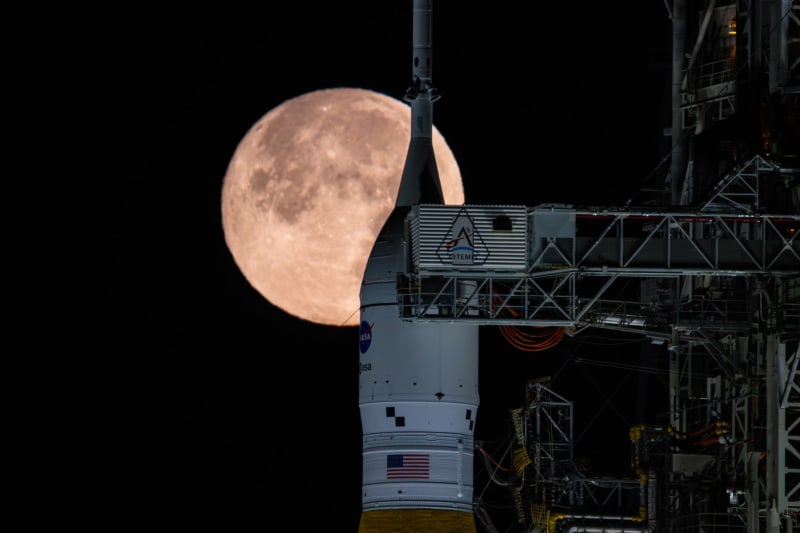
The SLS rocket and Orion spacecraft have been standing tall at Launch Pad 39B since January 17th, the same historic pad that launched Apollo missions decades ago. Teams have been running through countless tests to ensure everything works perfectly when four astronauts climb aboard for humanity's first crewed journey to lunar orbit since 1972.
This wet dress rehearsal represents the final major hurdle before launch. During the test, engineers practiced the precise timelines and procedures they'll follow on the actual launch day, ensuring every team member knows their role when the stakes are highest.
NASA leaders will share detailed results during a news conference, with key decision makers gathering to review how the rocket and ground systems performed. If any additional work is needed, the rocket will roll back into the massive Vehicle Assembly Building for final adjustments.
The Ripple Effect
The success of Artemis II creates a foundation for something even bigger. NASA describes this era as a "Golden Age of innovation and exploration," and they mean it.
These Moon missions aren't just about revisiting old ground. Every test, every procedure, every lesson learned is preparing humanity for the ultimate goal: sending astronauts to Mars. The technologies being perfected now will carry humans farther into space than ever before.
The Artemis program is also reopening opportunities on the lunar surface itself, with plans for sustained presence and scientific research that could reshape our understanding of space exploration. What starts with four astronauts orbiting the Moon will eventually become routine journeys between Earth, the Moon, and beyond.
Thousands of people across NASA and partner organizations are making this dream real, one fueling test at a time.
More Images
Based on reporting by NASA
This story was written by BrightWire based on verified news reports.
Spread the positivity!
Share this good news with someone who needs it