NASA's Curiosity Rover Begins Final Mars Boxwork Mission
After months of drilling and exploration, NASA's Curiosity rover is wrapping up its fascinating study of mysterious ridge patterns on Mars. The rover's findings could reveal secrets about ancient water on the Red Planet.
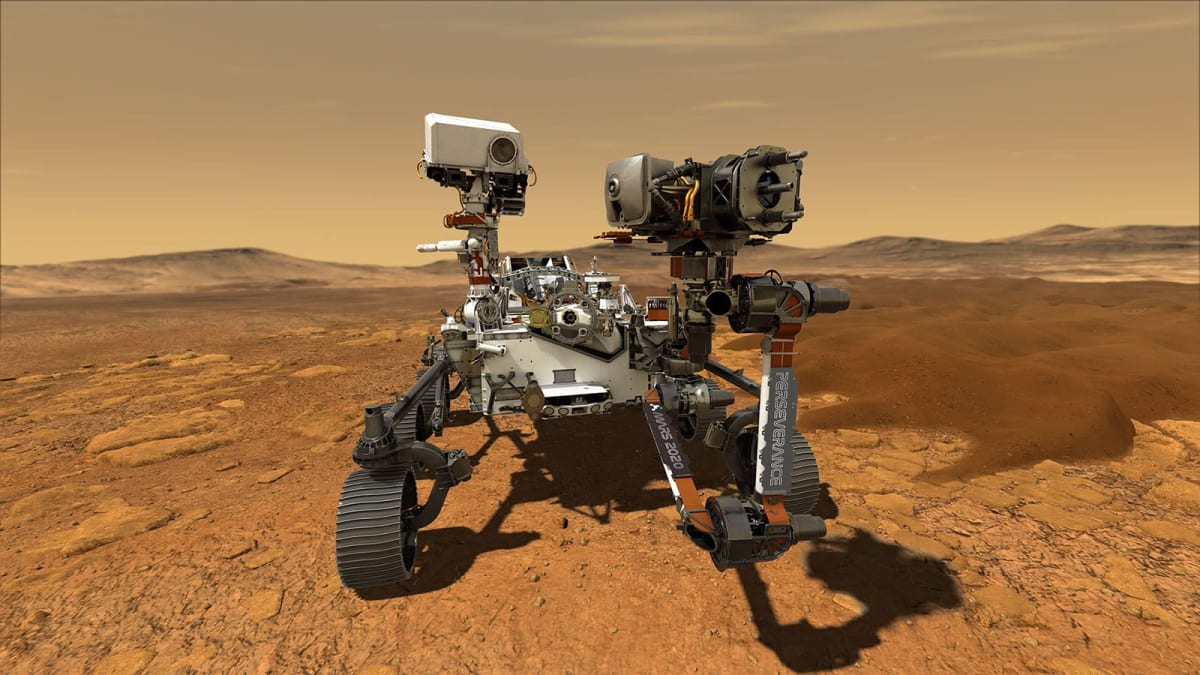
NASA's Curiosity rover just kicked off the final chapter of one of its most intriguing missions yet: exploring strange honeycomb patterns on Mars called "boxwork." After eight months of studying these mysterious ridges and hollows on Mount Sharp, scientists are thrilled with what they've discovered.
The boxwork structures look like a vast network of interconnecting ridges separated by hollow spaces, similar to patterns you might see in dried mud. Scientists believe these features formed billions of years ago when minerals filled cracks in Martian rock, then the surrounding material eroded away.
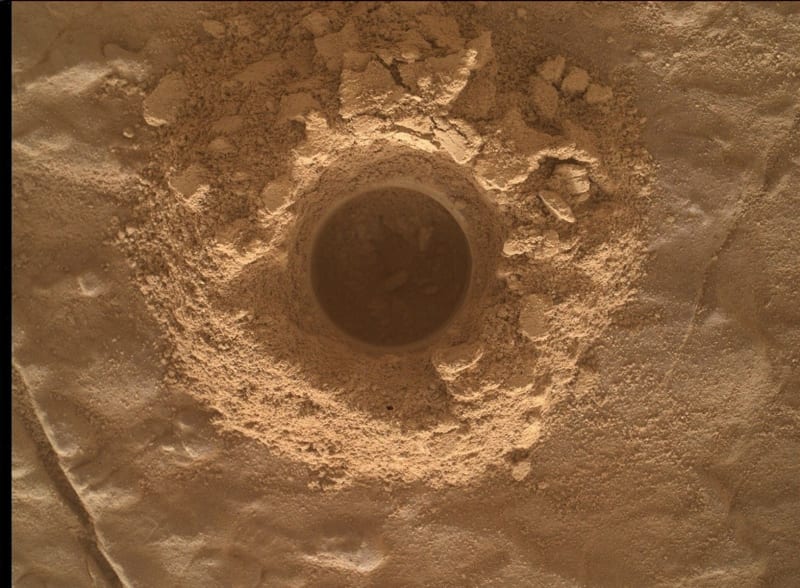
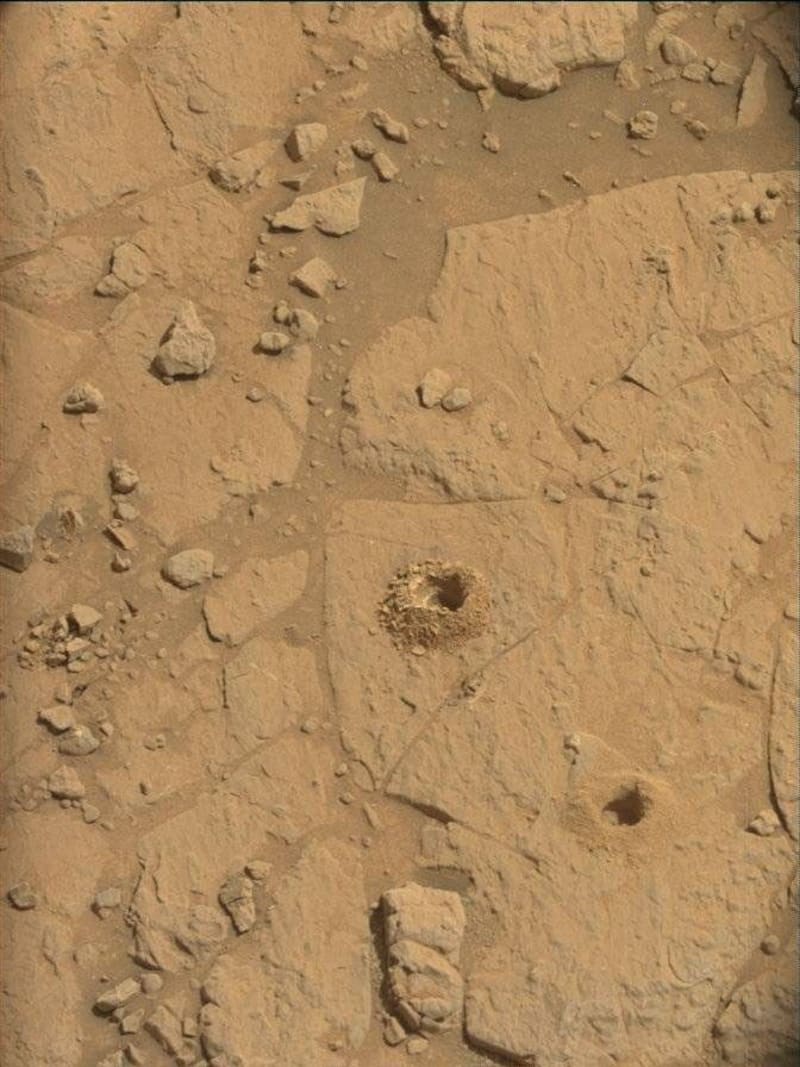
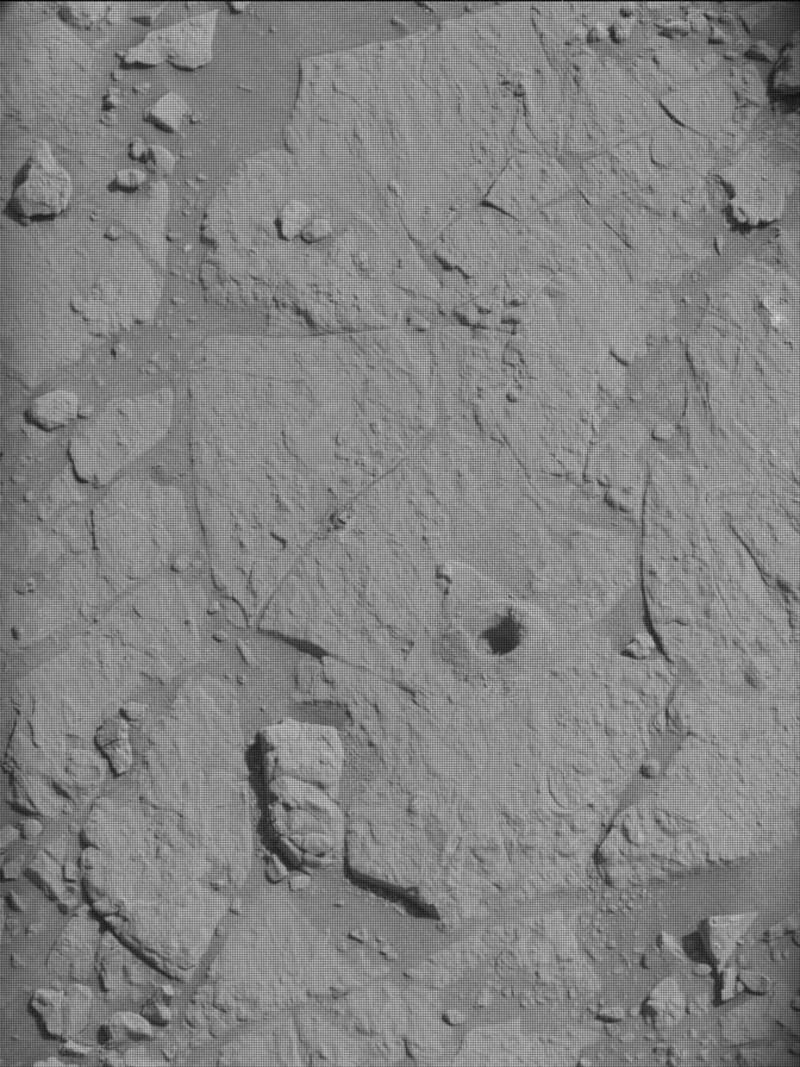
Curiosity started investigating the boxwork region in May 2025, carefully approaching and documenting the structures. The rover drilled into both a ridge and a hollow, collecting rock samples that could tell us how water once flowed through this area of Mars.
The mission divided the exploration into four phases, with each step building on previous discoveries. During the heart of the campaign from July 2025 to February 2026, Curiosity collected detailed observations of the most defined ridges and selected the perfect spots to drill.
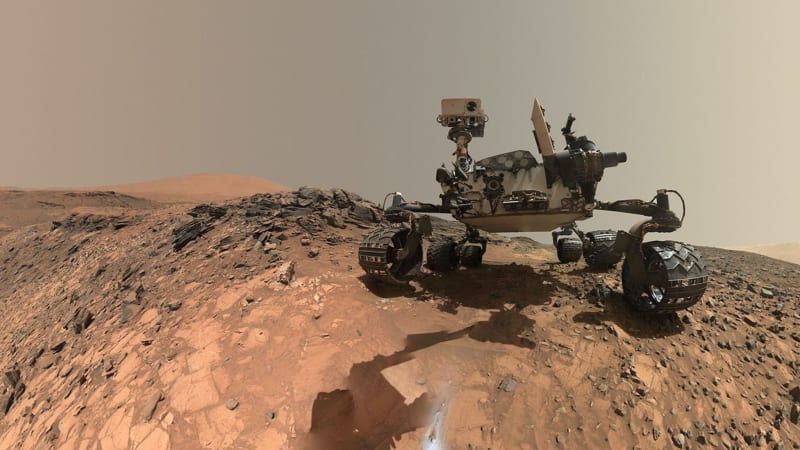
Now in phase four, the rover is taking a final tour of the area. Curiosity recently drove northeast along one of the wide ridges to get a better view of interesting features the team nicknamed "Los Flamencos," a particularly narrow ridge with many smaller ridges branching off it.
The rover's cameras and instruments are capturing data on bedrock targets before the mission moves on. Scientists want to understand where the boxwork unit meets adjacent rock formations, which could explain how this entire region evolved over billions of years.
Why This Inspires: Understanding Mars' geological history brings us closer to answering one of humanity's biggest questions: did life ever exist beyond Earth? The boxwork patterns suggest water once flowed through these rocks, and where there was water, there might have been conditions suitable for ancient microbial life. Every new discovery Curiosity makes helps scientists piece together the story of Mars' past and teaches us more about planetary evolution.
Once this final phase wraps up, Curiosity will continue its climb up Mount Sharp through an area called Valle Grande. The rover has been exploring Mars since 2012, and after nearly 14 years, it's still making groundbreaking discoveries that reshape our understanding of the Red Planet.
More Images
Based on reporting by NASA
This story was written by BrightWire based on verified news reports.
Spread the positivity!
Share this good news with someone who needs it