NASA's Curiosity Rover Explores Mars Wind-Sculpted Hills
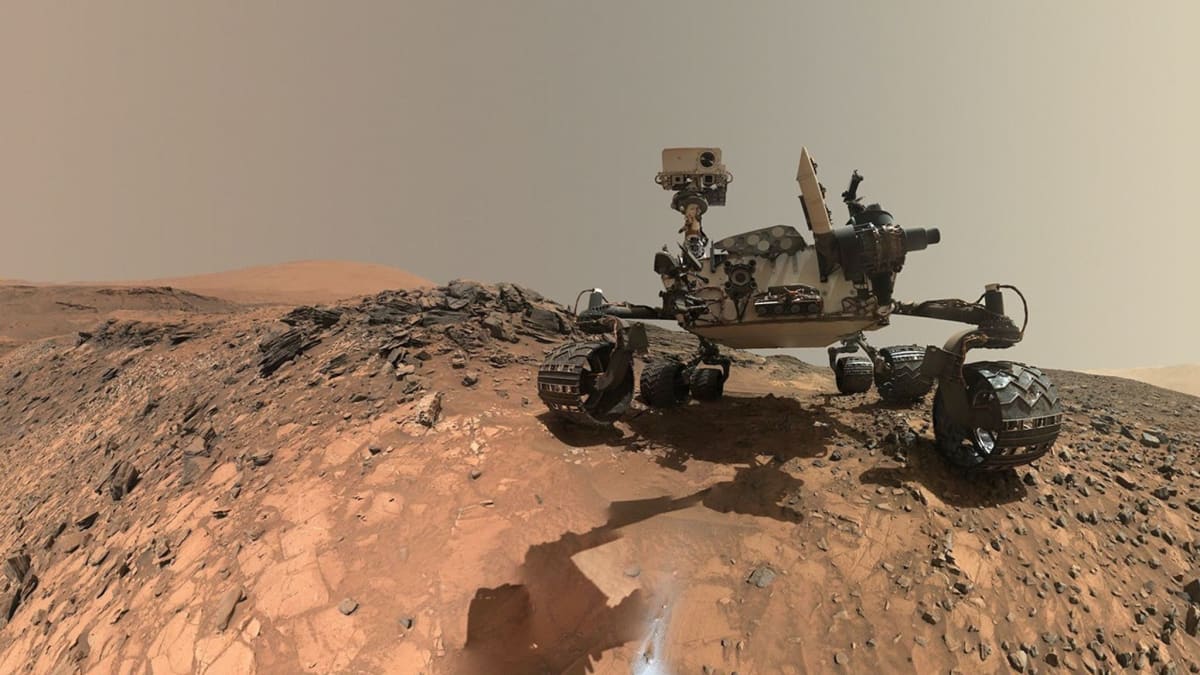
NASA's Curiosity rover is cruising across Mars toward mysterious pale hills carved by ancient winds, discovering fascinating rock patterns along the way. After completing its recent boxwork campaign, the rover team is embracing the thrill of planetary exploration.
Picture a robot geologist on Mars, driving across red desert rock toward distant hills no human has ever touched.
That's exactly what NASA's Curiosity rover is doing right now. The rover just wrapped up a focused science campaign and is now making its way toward the Yardang unit, a series of pale colored hills sculpted by Martian winds. Scientists can barely see these intriguing formations in the distance, shimmering like a promise on the horizon.
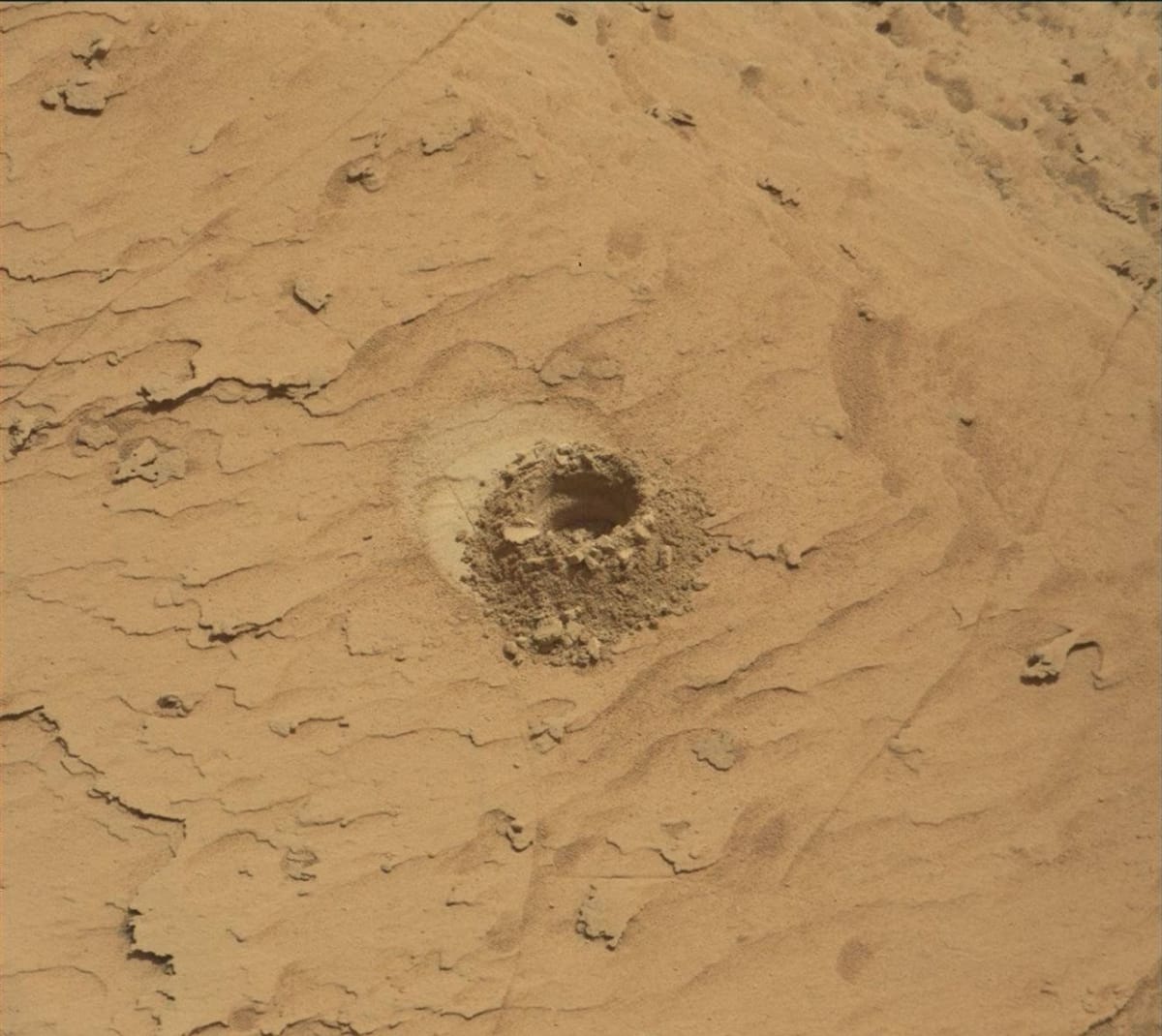
The journey itself has become an adventure. Curiosity is rolling over layered bedrock that shifts from pale bands to dark, flaky layers at strange angles. Some rocks jut out unexpectedly, making the drive more challenging but infinitely more interesting.
Catherine O'Connell-Cooper, a planetary scientist at the University of New Brunswick, describes this phase as special. "There is something very special about this kind of exploring, the sense of being a planetary explorer, ambling along to see what the rocks will show us," she wrote in a mission update.
The rover isn't just passing through. Its science instruments are busy analyzing everything interesting along the route, from dark rock fragments scattered around worksites to brushed pale targets with names like "La Primavera" and "Los Quemados." The team is capturing images from multiple angles and distances, building a detailed picture of this Martian landscape.
One highlight is the Kimsa Chata trough, which shows stunning sedimentary structures. These patterns could help scientists determine whether this area was once a desert, a lake, or something in between, like a desert with flowing water.
Why This Inspires
Curiosity has been exploring Mars since 2012, yet the team still approaches each drive with genuine wonder. The rover planners sometimes push for maximum distance, other times they stop short to examine interesting features. This balance between goals and curiosity mirrors the best kind of exploration.
The wide open Martian landscape allows the team to spot features from far away, then watch them grow clearer as Curiosity approaches. Nobody knows exactly what waits at the next stop, a smooth area just beyond the dark and light bedrock contrast. That uncertainty is what makes exploration meaningful.
A robot millions of miles from Earth is still teaching us the joy of discovery, one Martian rock at a time.
More Images

Based on reporting by NASA
This story was written by BrightWire based on verified news reports.
Spread the positivity!
Share this good news with someone who needs it