NASA's Psyche Spacecraft Aces Mars Flyby, Eyes Metal Asteroid
NASA's Psyche mission just nailed a tricky Mars gravity assist, getting a 1,000 mph speed boost on its way to explore a metal-rich asteroid that could reveal secrets about how planets form. The spacecraft is now barreling toward its 2029 destination after capturing stunning close-up images of the Red Planet.
A spacecraft just pulled off a cosmic slingshot maneuver that brings us three years closer to understanding how Earth was born.
NASA's Psyche mission swooped within 2,864 miles of Mars on May 15, using the planet's gravity like a natural catapult. The close encounter gave the spacecraft a 1,000 mile-per-hour speed boost and adjusted its path without burning a drop of fuel, sending it straight toward its target: a metal asteroid that might be the exposed heart of an ancient baby planet.
"Although we were confident in our calculations and flight plan, monitoring the signal in real time during the flyby was still exciting," said Don Han, the mission's navigation lead at NASA's Jet Propulsion Laboratory. The team confirmed Psyche is now on course for a summer 2029 arrival at the asteroid belt between Mars and Jupiter.
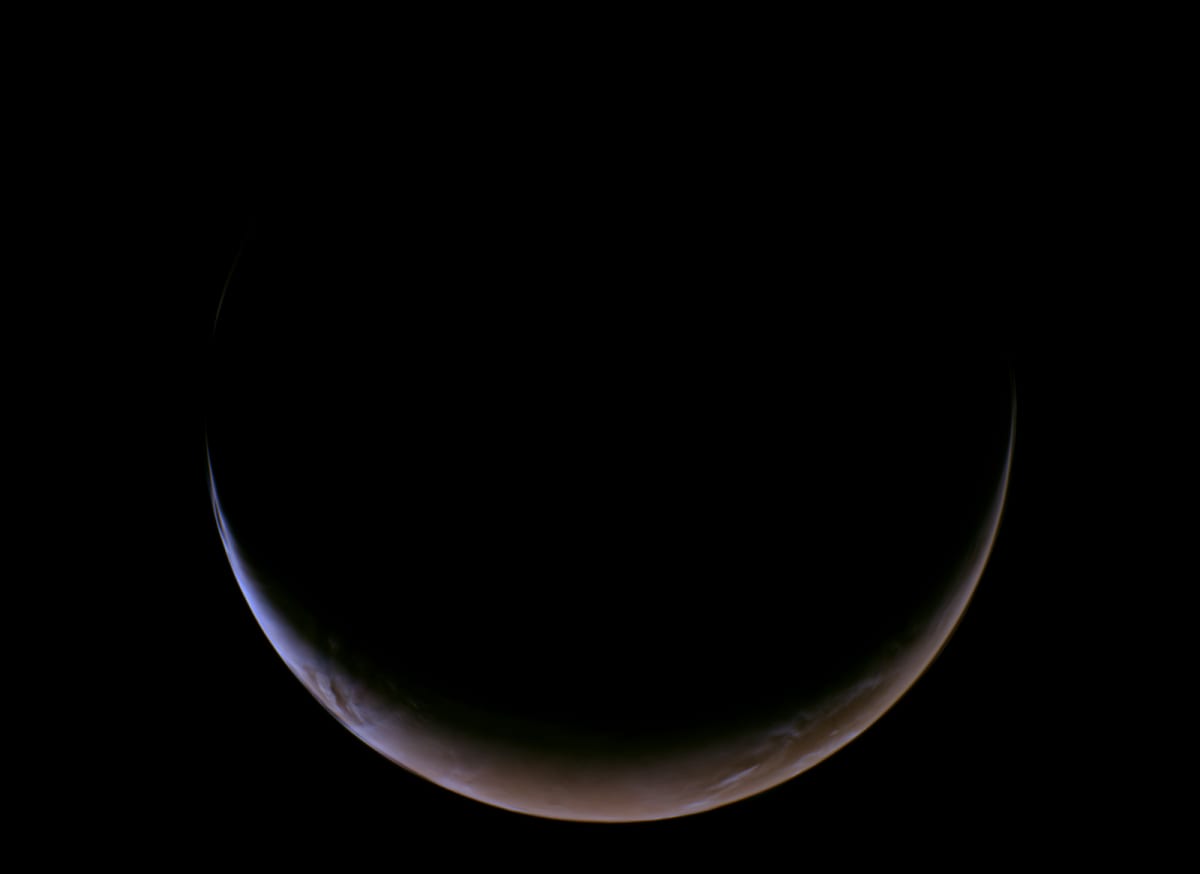
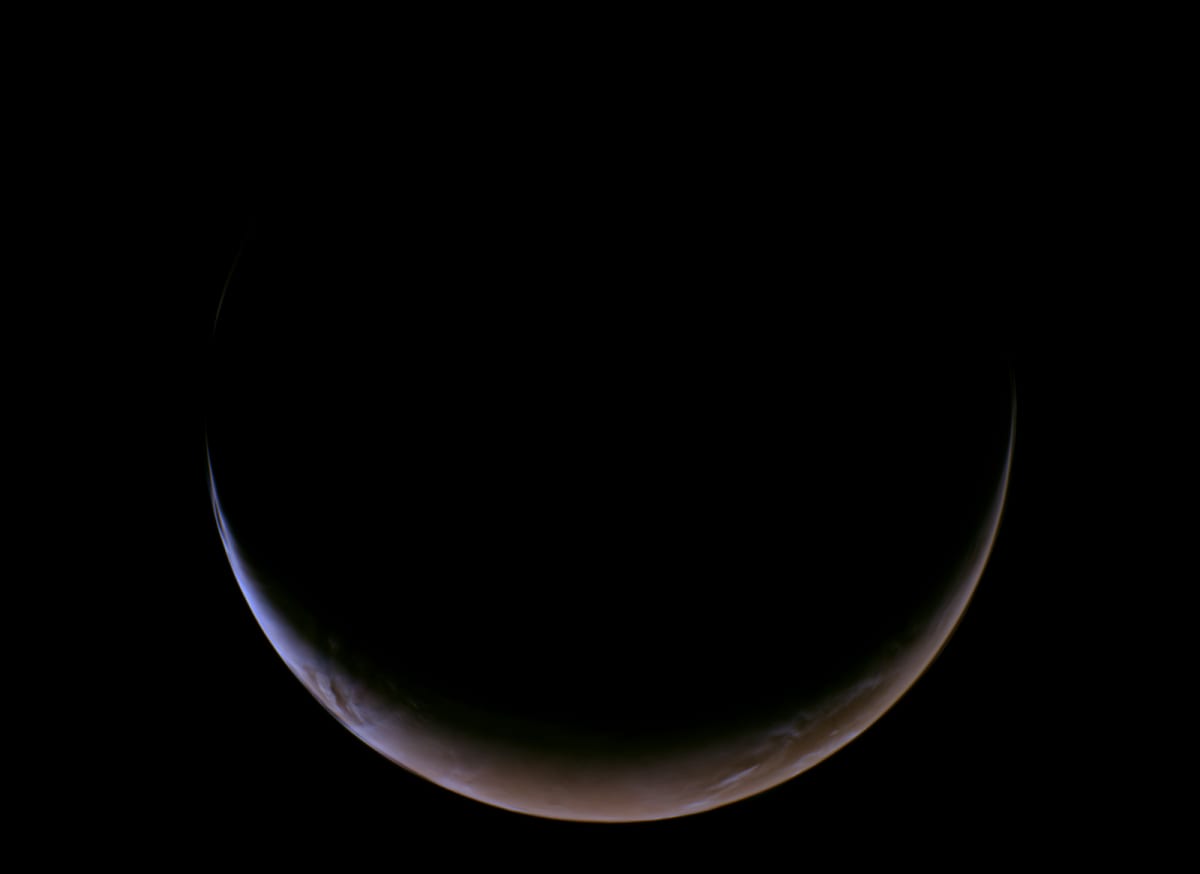
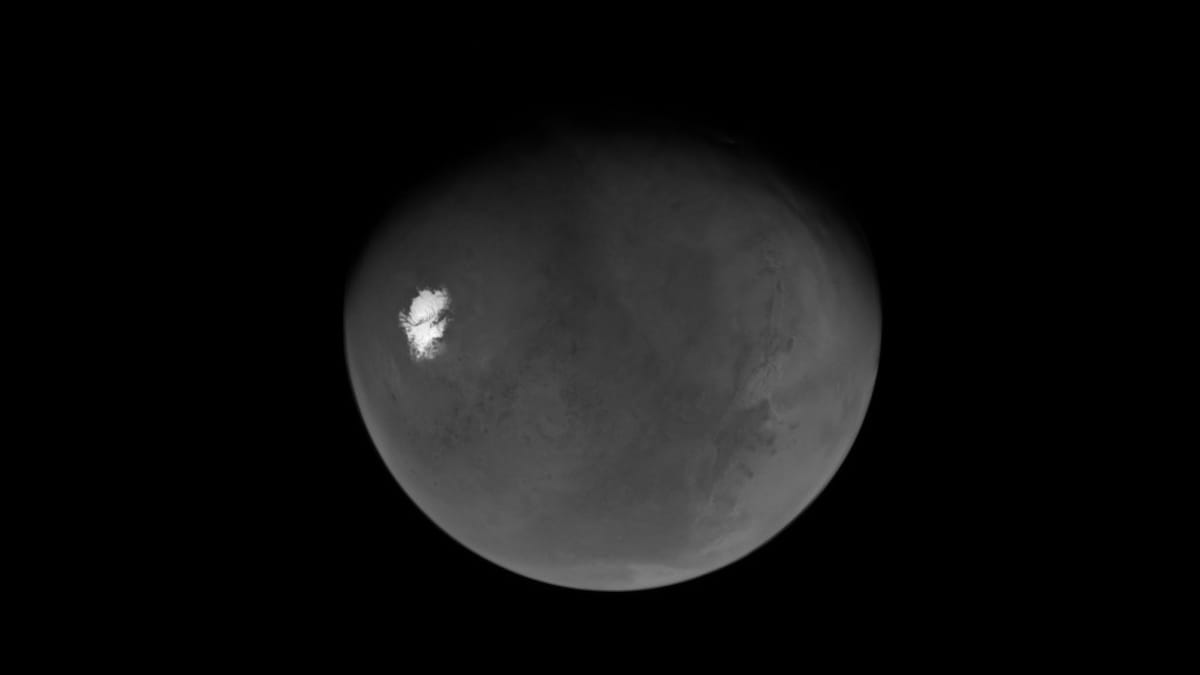
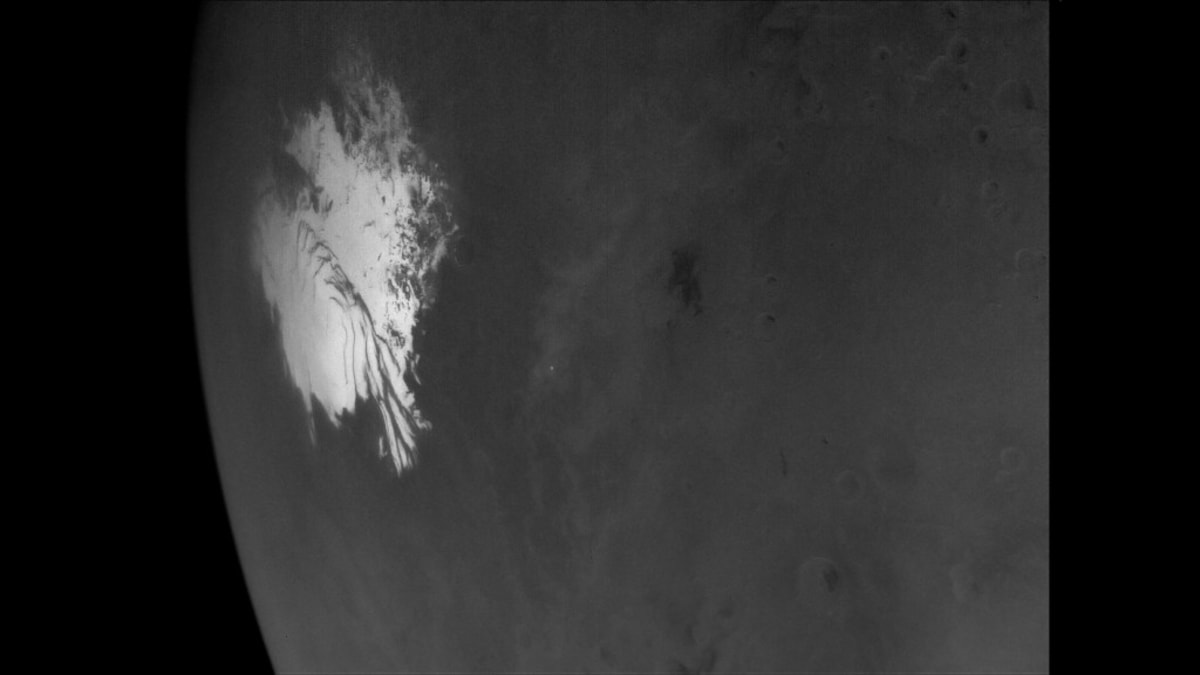
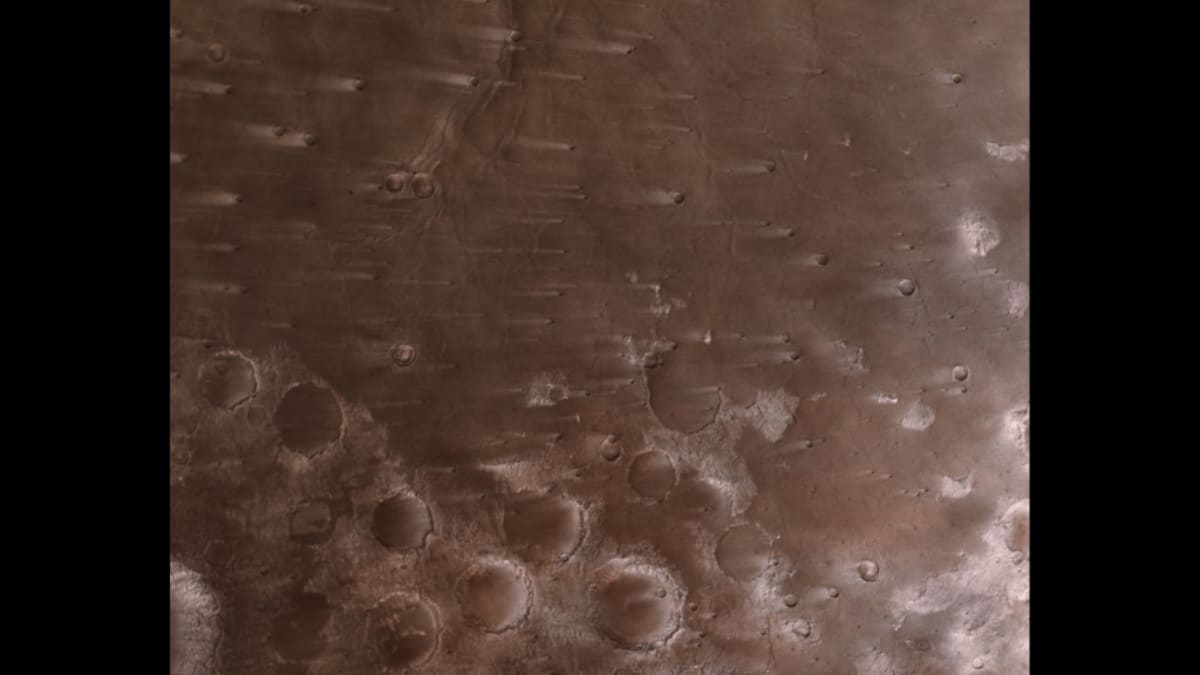
The Mars flyby wasn't just about speed. As Psyche zipped past, its cameras captured thousands of images from a rare angle, showing Mars as a glowing crescent lit by sunlight bouncing through its dusty atmosphere. The spacecraft snapped detailed shots of wind-carved streaks near impact craters and the ice-rich south polar cap stretching more than 430 miles across.
These weren't just pretty pictures. The imaging gave scientists a valuable practice run for when Psyche reaches its namesake asteroid, a 173-mile-wide chunk of metal that scientists believe is the partial core of a planetesimal, one of the original building blocks of planets.
Other Mars missions jumped in to help. NASA's Perseverance rover, Mars Reconnaissance Orbiter, and several other spacecraft provided calibration data and complementary images during the flyby. Even the European Space Agency's Mars orbiters pitched in, turning the event into an interplanetary team effort.
Why This Inspires
This mission represents something extraordinary: our chance to peek inside a planet without drilling. If the asteroid Psyche really is an ancient planetary core, studying it could answer fundamental questions about how rocky worlds like Earth formed their magnetic fields and layered interiors.
The spacecraft will spend years mapping the asteroid up close, swooping in circular orbits that rise and fall to capture data from every angle. Scientists are essentially getting a free X-ray of planetary formation, examining ingredients that have been locked away inside Earth and other planets for billions of years.
What makes this moment special is how it combines cutting-edge engineering with pure scientific curiosity. The Mars gravity assist saved years of travel time and tons of fuel, proving that sometimes the smartest way forward is to let nature do the heavy lifting.
Psyche still has three years of cruising ahead before it reaches the asteroid belt, but this successful flyby confirms the mission is right on track to explore one of the solar system's most mysterious objects.
More Images
Based on reporting by Google News - Science
This story was written by BrightWire based on verified news reports.
Spread the positivity!
Share this good news with someone who needs it