NASA's Roman Space Telescope Launches September 2026
NASA's most powerful space telescope is launching three months early, ready to capture hundreds of millions of galaxies and discover planets we've never seen before. The Roman Space Telescope could reshape our understanding of the universe for decades to come.
NASA just moved up the launch date for one of the most powerful telescopes ever built, and it could reveal cosmic secrets we've only dreamed about discovering.
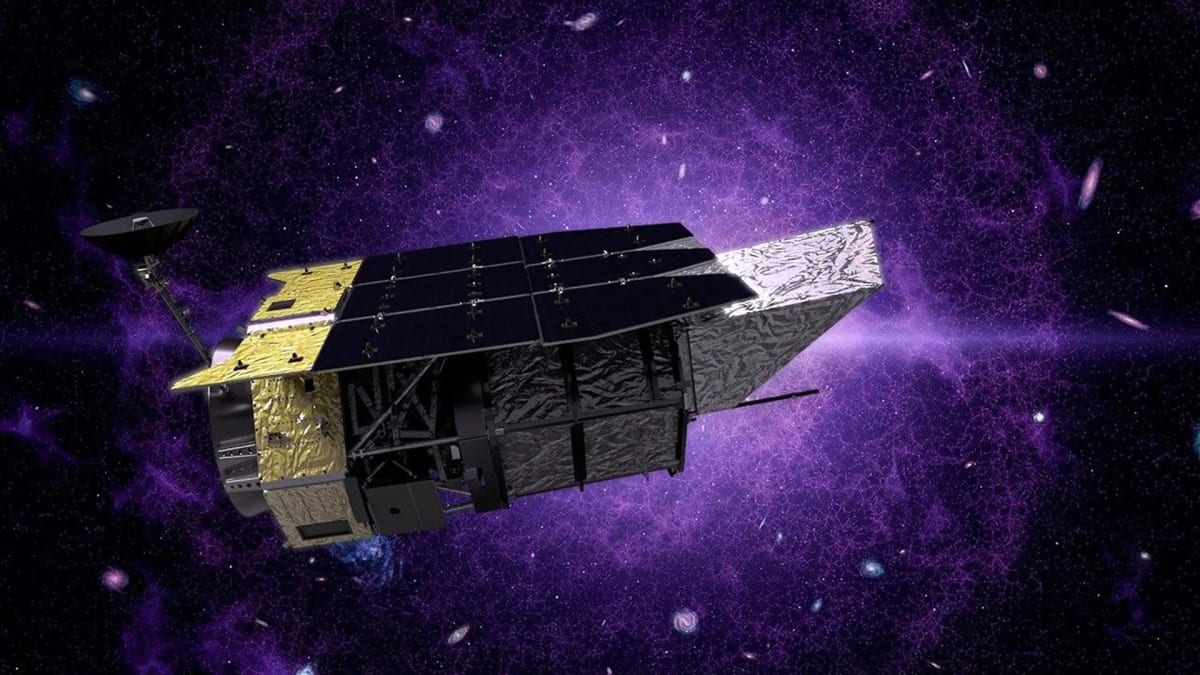
The Nancy Grace Roman Space Telescope will now launch as early as September 2026, three months ahead of schedule. NASA Administrator Jared Isaacman announced the accelerated timeline at the Goddard Space Flight Center in Maryland, calling it a success story of what happens when public investment and expertise come together.
Roman is designed to capture enormous sections of space using infrared vision that can see through cosmic dust and peer into the distant past. Its field of view is massive compared to other telescopes, meaning it can photograph huge areas of the universe in stunning detail all at once.
During its five year mission, the telescope will collect about 20,000 terabytes of data. That's enough information to help scientists study around 100,000 planets outside our solar system, hundreds of millions of galaxies, billions of stars, and possibly cosmic phenomena no one has ever witnessed before.
The main goals focus on understanding dark energy and dark matter, the mysterious forces that shape our universe. But researchers expect Roman to support all kinds of astronomical discoveries beyond its original mission.
Why This Inspires
This telescope represents a leap forward in how we explore space. While missions like Hubble and James Webb take detailed photos of small areas, Roman will create vast maps of the cosmos that scientists can study for generations.
The early launch date means we're closer than expected to answers about how galaxies formed, whether other Earth-like planets exist, and what forces are pushing our universe apart. Every discovery Roman makes will be added to a growing archive that astronomers worldwide can access and explore.
NASA plans to launch Roman aboard a SpaceX Falcon Heavy rocket from Kennedy Space Center in Florida. The mission brings together teams from NASA's Goddard Space Flight Center, the Jet Propulsion Laboratory, and scientists from research institutions across the country.
The universe is about to become a lot less mysterious.
Based on reporting by Science Daily
This story was written by BrightWire based on verified news reports.
Spread the positivity!
Share this good news with someone who needs it