NASA's Roman Telescope Launches Early to Unlock Dark Energy
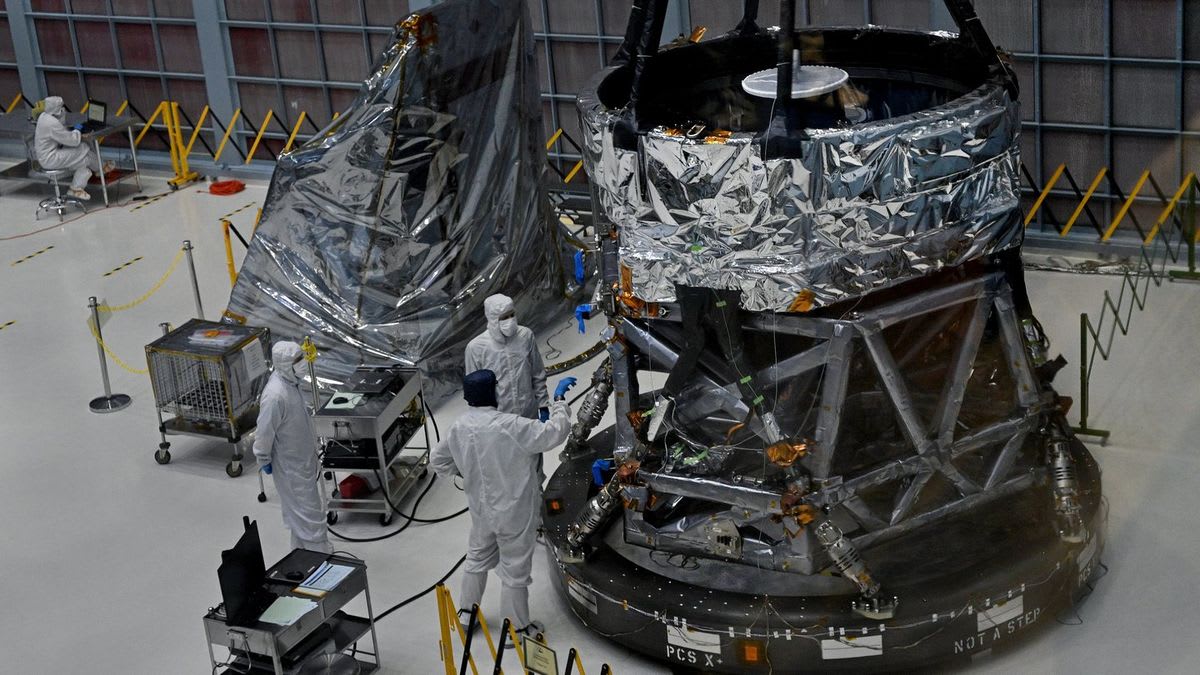
NASA is fast-tracking its $4.3 billion Roman Space Telescope to launch a year ahead of schedule in September 2026. The groundbreaking mission could reveal hundreds of millions of new galaxies and finally explain the mysterious forces that make up 95% of our universe.
NASA just moved up the launch date for one of the most ambitious space missions in history, and it could rewrite everything we know about the cosmos.
The Nancy Grace Roman Space Telescope, nicknamed Roman, will now blast off in September 2026 instead of May 2027. NASA Administrator Jared Isaacman called the accelerated timeline "a true success story of what we can achieve" when public investment and expertise come together.
The $4.3 billion telescope joins celebrated siblings like the James Webb and Hubble telescopes, but Roman has a different mission. Using powerful infrared technology, it will capture massive sections of the universe in stunning detail, sending back images that could reveal cosmic phenomena never before seen by humanity.
Over its five-year mission, Roman will investigate roughly 100,000 exoplanets orbiting distant stars, hundreds of millions of galaxies, and billions of individual stars. That's an unprecedented scale of discovery happening above our heads.
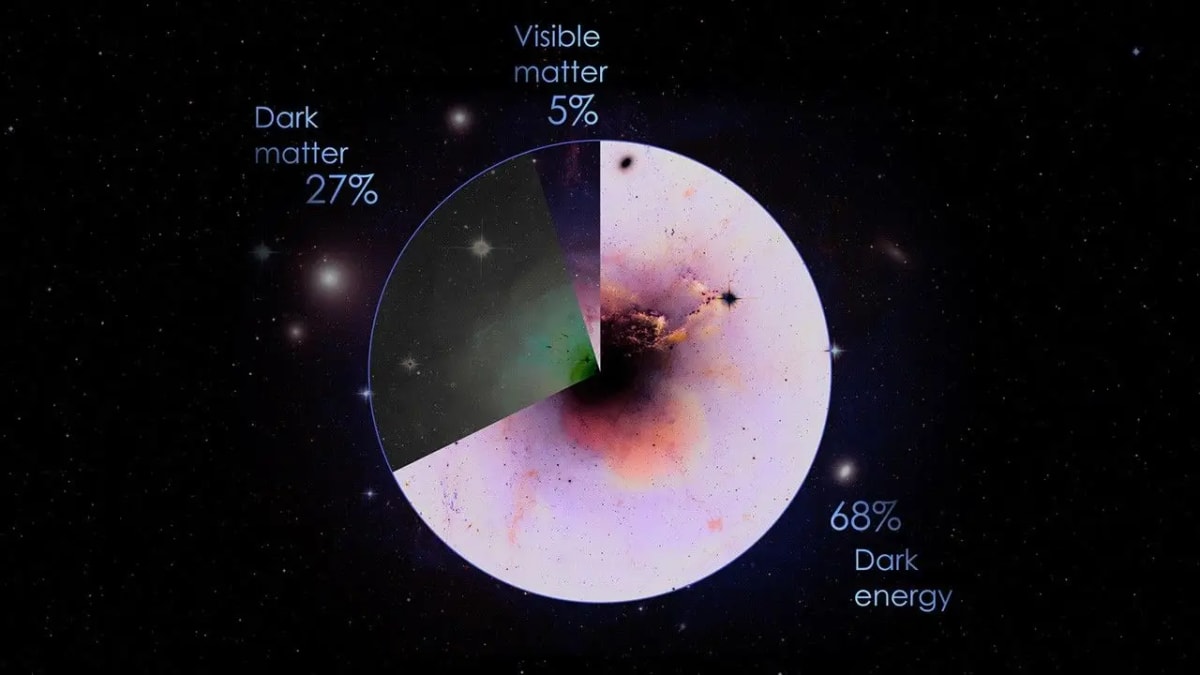
But the real excitement centers on two cosmic mysteries that have puzzled scientists for a century: dark matter and dark energy. Together, these invisible forces make up 95% of everything that exists.
Dark matter accounts for 27% of the universe and acts as invisible glue holding galaxies together. We can't see it, but scientists know it shapes the cosmos on a massive scale. Dark energy is even more abundant at 68% of the universe, and even more mysterious.
NASA describes dark energy as "the mysterious something causing the universe to expand at an accelerated rate." About nine billion years ago, the expansion of space suddenly started speeding up. Scientists believe dark energy is the reason, though no one knows exactly what it is or how it works.
Some researchers think dark energy acts like a negative pressure pushing space outward. Others have entirely different theories. Roman's powerful observations could finally provide answers to questions humanity has asked for generations.
The Bright Side
The telescope honors NASA's former Chief of Astronomy, Nancy Grace Roman, known as the Mother of Hubble for her vital role planning that iconic telescope. Her legacy now powers the next giant leap in understanding our place in the universe.
SpaceX will launch Roman aboard a Falcon Heavy rocket from Florida's Kennedy Space Center. NASA promises more specific details in the coming weeks as engineers complete final preparations.
A mission to understand 95% of reality that we've never truly seen is about to begin ahead of schedule.
More Images
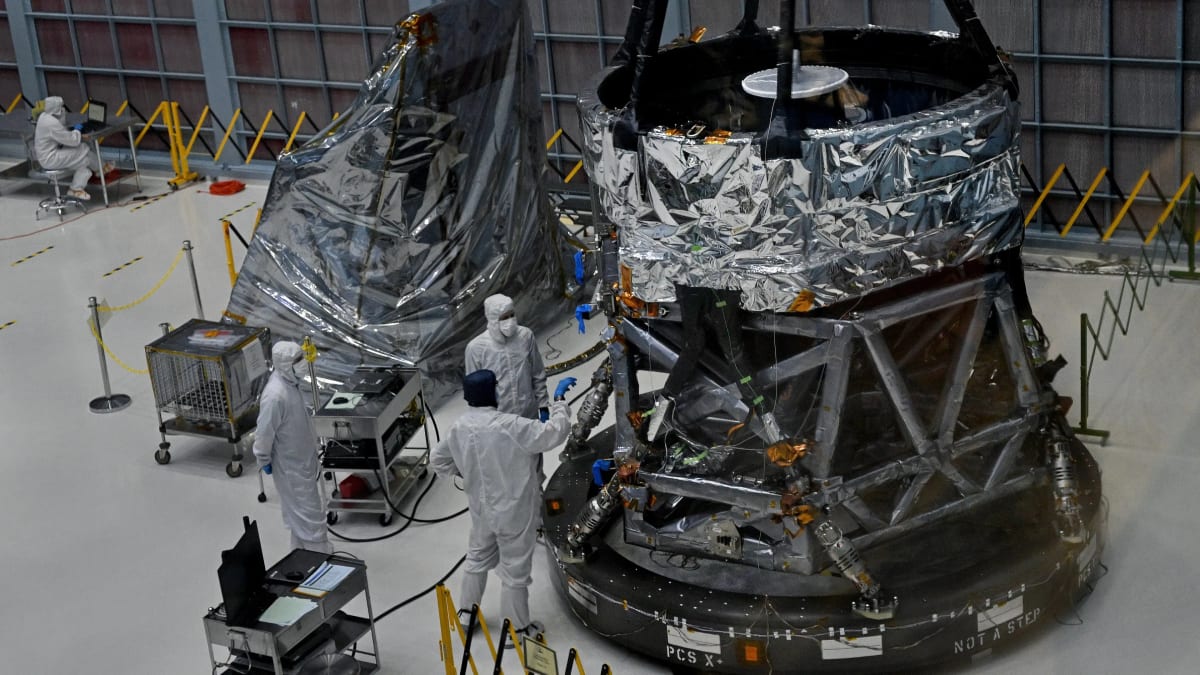


Based on reporting by Google: James Webb telescope
This story was written by BrightWire based on verified news reports.
Spread the positivity!
Share this good news with someone who needs it