Native Oak Trees Help Birds Raise 40% More Chicks
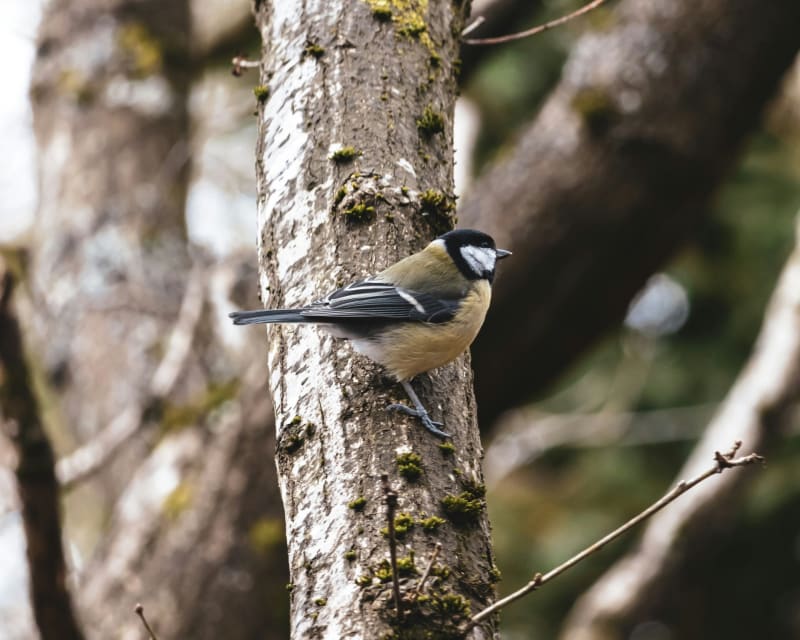
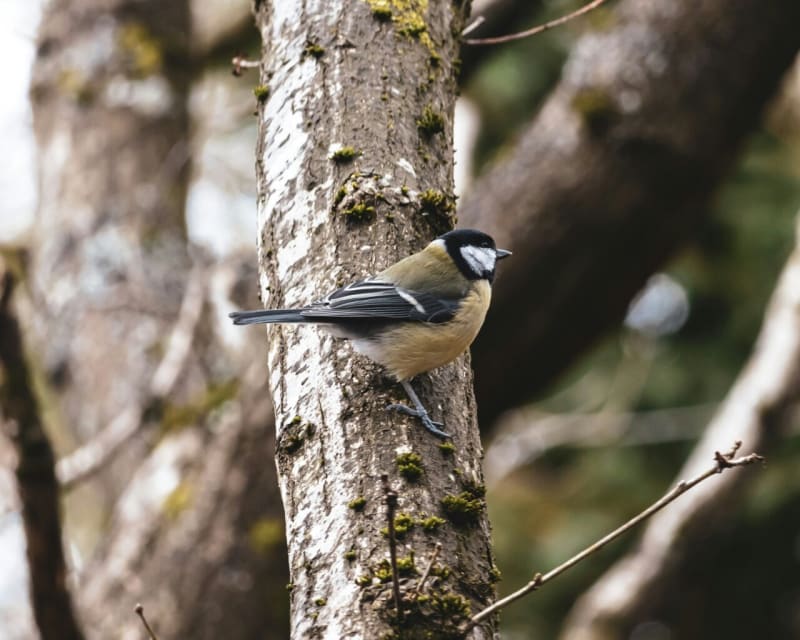
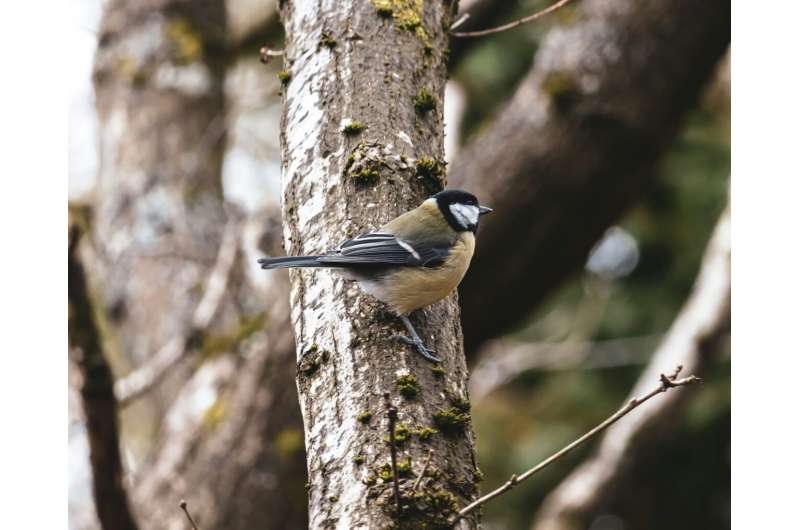
Scientists just proved what oaks have been quietly doing for centuries: feeding entire ecosystems. A nine-year study shows blue tits raise significantly more chicks when surrounded by native oak trees rather than decorative imports.
Your neighborhood oak tree isn't just beautiful. It's running a full-service caterpillar café that keeps baby birds alive.
Researchers from the University of Glasgow spent nine years tracking blue tits across 20 locations, from city centers to rural lakeshores. They discovered something remarkable: birds nesting near native oak trees laid more eggs, started breeding earlier, and successfully raised more chicks than those surrounded by non-native trees.
The secret ingredient? Caterpillars. Oak trees naturally host hundreds of moth and butterfly species whose caterpillars become the perfect protein-packed meal for hungry nestlings. The research team counted caterpillars during breeding season and found dramatically higher numbers wherever oaks grew thick.
Dr. Claire Branston, who led the study published in Ecology, explains the stakes clearly. "The presence of oak trees can help support entire food chains in urban environments, and this is something we should be considering when designing our urban green spaces."
The findings matter especially for cities, where birds already struggle with lower breeding success. Many urban planners choose fast-growing conifers or ornamental species for quick visual impact. But these decorative trees can't support the insect populations that sustain local wildlife.
The study tracked everything from tree coverage to human density to local temperatures. When researchers separated out each factor's impact, native broadleaf trees stood out as the real difference maker for bird success.
The Ripple Effect
This isn't just about saving one bird species. When you plant an oak, you're building infrastructure for moths, butterflies, caterpillars, and the birds that depend on them. You're creating complexity and resilience in ecosystems that desperately need both.
Dr. Davide Dominoni, co-author of the study, argues for a complete rethink of urban forestry. "Urban tree planting regimes should be carefully planned, selecting tree species in particular that will be able to host natural populations of caterpillars and other invertebrates."
The message for city planners is simple: native trees aren't just nostalgic. They're functional ecosystem engines that turn sunlight into moths, moths into caterpillars, and caterpillars into thriving bird populations.
Every oak we plant today becomes a restaurant, nursery, and community center for wildlife tomorrow.
More Images


Based on reporting by Phys.org
This story was written by BrightWire based on verified news reports.
Spread the positivity!
Share this good news with someone who needs it