Nearby Super-Earth Could Host Life, New Study Reveals
A planet just 25 light-years away might be one of our best bets for finding alien life. Scientists discovered it's much smaller than they thought, with conditions surprisingly similar to Earth.
Scientists just got their best lead yet in the search for life beyond Earth, and it's practically in our cosmic backyard.
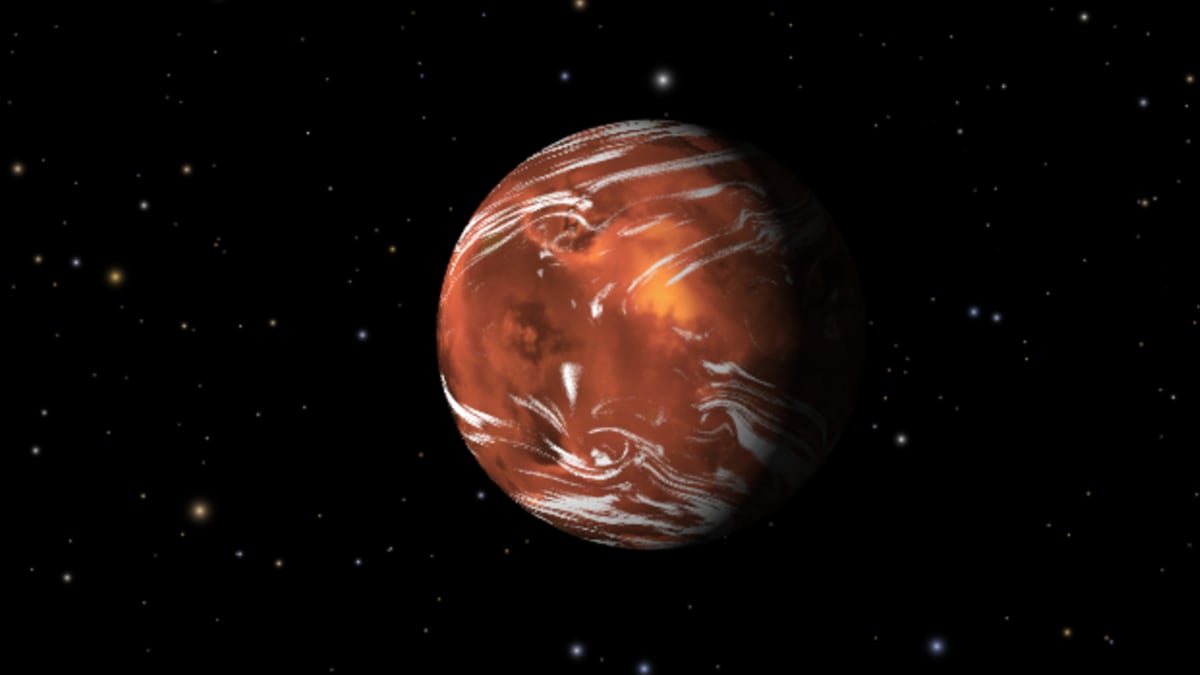
A rocky planet called GJ 3378b, located just 25 light-years from Earth, has jumped to the top of the list for potentially habitable worlds. New measurements reveal the planet is far smaller than researchers initially thought, making it much more likely to support life.
When astronomers first discovered GJ 3378b in 2024, they estimated it was five times Earth's mass. That would have meant crushing atmospheric pressure and possibly no solid surface at all. But new observations from the Hobby-Eberly Telescope in Texas tell a different story.
The planet is actually only 2.3 times Earth's mass. That's small enough to almost guarantee a rocky surface and an atmosphere with pressure similar to our own, the kind where life could potentially thrive.
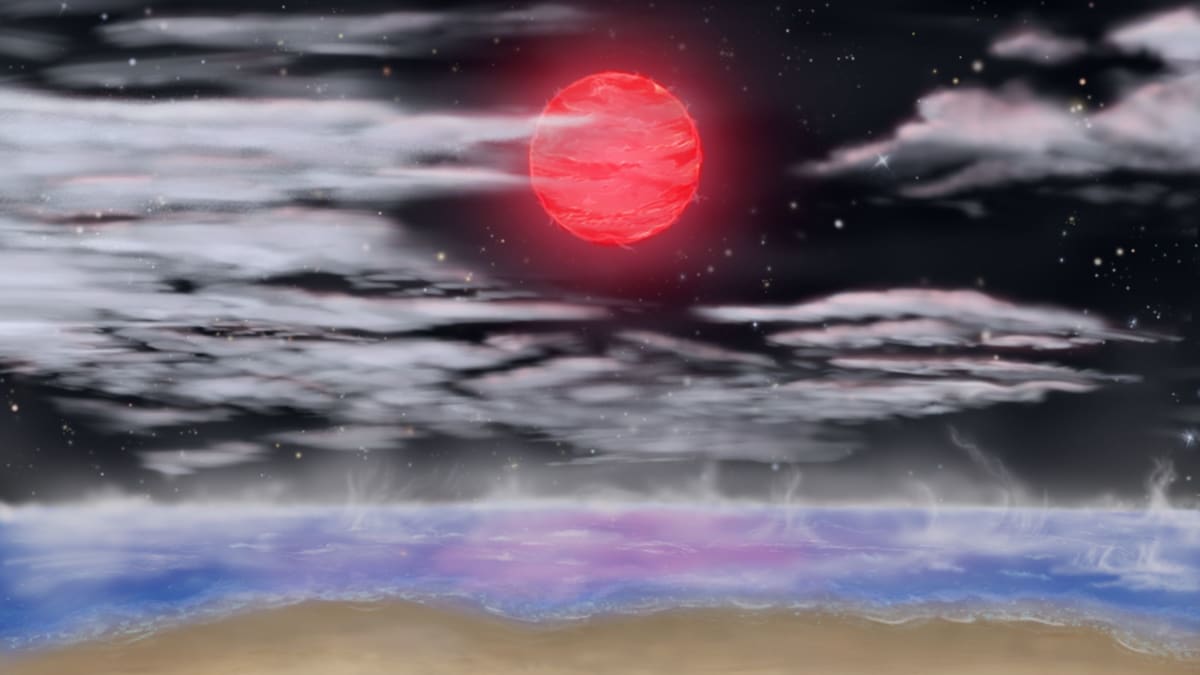
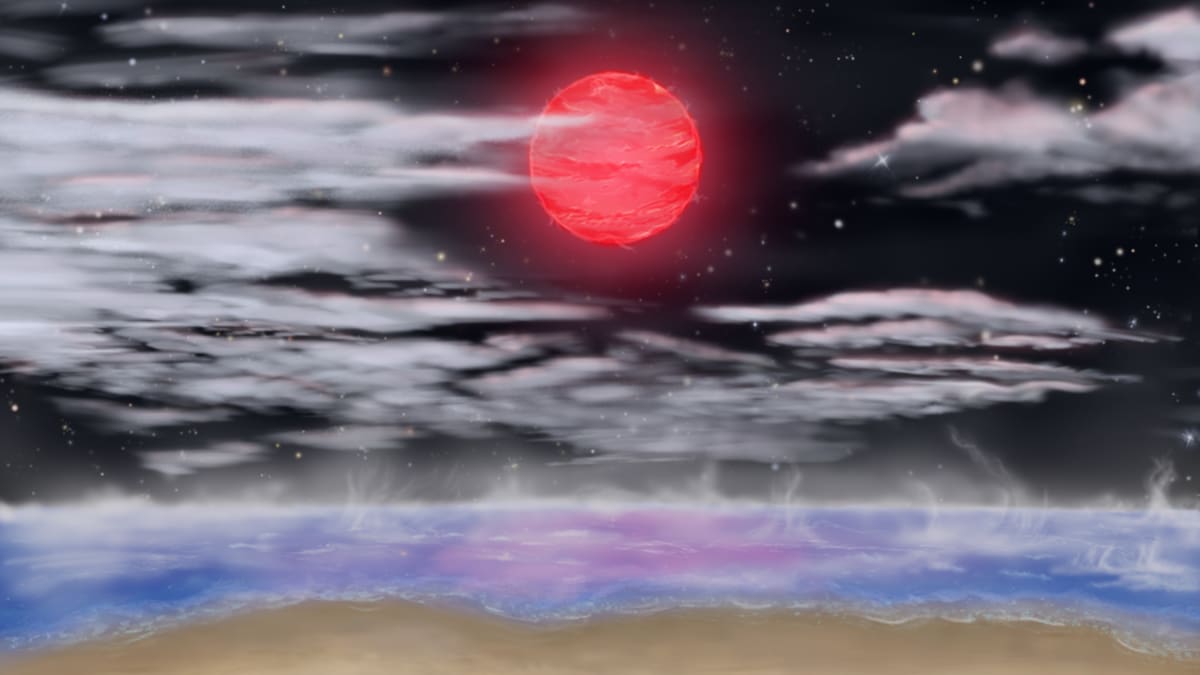
What makes this discovery even better is the planet's location. GJ 3378b sits right in the middle of its star's habitable zone, the sweet spot where liquid water could exist on the surface. It orbits a red dwarf star that gives off 90% less radiation than our sun, so even though the planet is ten times closer to its star than Earth is to the sun, temperatures could still be just right.
Why This Inspires
This discovery reminds us that the universe might be less lonely than we think. Red dwarf stars make up about 70% of all stars in the Milky Way, so understanding whether planets around them can harbor life opens up billions of possibilities.
At 25 light-years away, GJ 3378b is close enough for our best telescopes to study in detail. Scientists can now search for signs of an atmosphere, look for water vapor, and potentially detect biosignatures that would indicate living organisms.
"This one's exciting," said astronomer Paul Robertson from the University of California, Irvine. "25 light-years sounds like a long way, but in that respect it's our next-door neighbor."
The research team cautions that more observations are needed. The planet's proximity to its star means stellar winds could have stripped away any atmosphere, similar to what happened to Mars. But if they do find an atmosphere, GJ 3378b will become a priority target for the search for extraterrestrial life.
Every new discovery brings us closer to answering humanity's oldest question: are we alone?
More Images

Based on reporting by Live Science
This story was written by BrightWire based on verified news reports.
Spread the positivity!
Share this good news with someone who needs it