Netherlands Uncovers Largest Roman Bathhouse Ever Found
Archaeologists in Nijmegen discovered a stunning 4,900-square-meter Roman bathhouse, twice the size of any previously found in the Netherlands. The dig also revealed jewelry, statues, and hundreds of cat-shaped hairpins from a wealthy quarter that thrived 1,800 years ago.
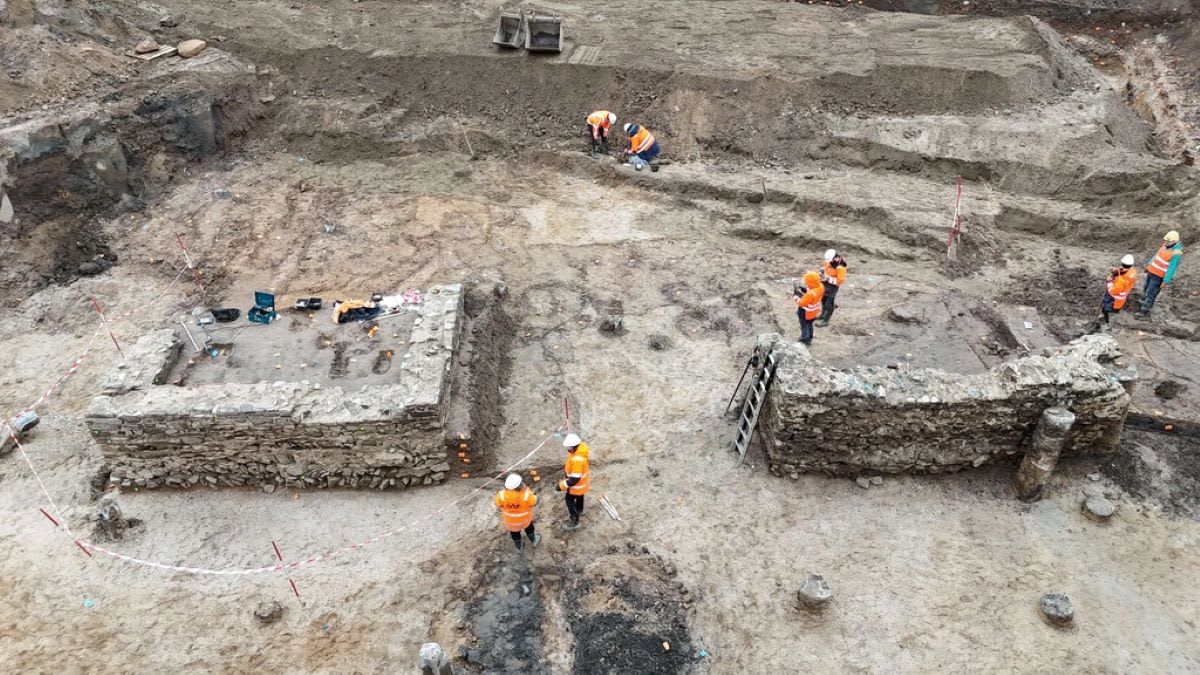
Beneath a former industrial site in Nijmegen, archaeologists just uncovered the most spectacular Roman bathhouse ever found in the Netherlands, revealing a vibrant ancient city that was far more luxurious than anyone imagined.
The massive complex spans at least 4,900 square meters, making it twice as large as the previous record holder. Teams from archaeology firms RAAP and BAAC discovered the baths in the Waalfront district, along with housing blocks, streets, luxury townhouses, and tens of thousands of artifacts that paint a picture of Roman life nearly two millennia ago.
The bathhouse stood in Ulpia Noviomagus, which became a full Roman city around AD 100 under Emperor Trajan. Its residents enjoyed facilities that would make modern spa-goers jealous: marble-clad walls, floors of black and white limestone tiles, and an advanced hypocaust heating system with stone foundations still standing two meters high.
The treasures found at the site tell stories of prosperous families who lived there between 1,800 and 1,900 years ago. Archaeologists recovered jewelry, signet rings, coins, fragments of bronze statues, and a bronze bust of Bacchus, the Roman wine god.
One discovery particularly charmed the team: hundreds of bone hairpins decorated with cats, likely carved by the same artist. Project leader Erik Verhelst still remembers finding his first one, describing "a standing cat with its tail up, maybe angry."
Why This Inspires
This discovery does more than rewrite textbooks. It connects us to people who lived almost two thousand years ago, who also loved their pets, enjoyed hot baths after long days, and created beautiful things to wear in their hair.
The find has already changed historical understanding of the Roman city. Coins from Emperor Postumus, who ruled from AD 260 to 269, suggest this wealthy quarter remained active well into the third century, much longer than historians previously believed.
Even better, these ancient wonders won't disappear into storage. Nijmegen plans to keep the remains visible in the new housing development planned for the site, with some buildings featuring covered colonnade walkways that echo Roman architecture.
Future residents will walk the same streets where Romans once strolled to their evening baths, creating a living connection between past and present that reminds us how human stories echo across time.
Based on reporting by Dutch News
This story was written by BrightWire based on verified news reports.
Spread the positivity!
Share this good news with someone who needs it