New Battery Cuts Energy Storage Costs by 10%
A Chinese company just made renewable energy storage cheaper and more efficient with a breakthrough system that could transform how we power the grid. The technology slashes installation costs while taking up 38% less space.
Storing renewable energy just got a lot more affordable, and that means solar and wind power can compete even better with fossil fuels.
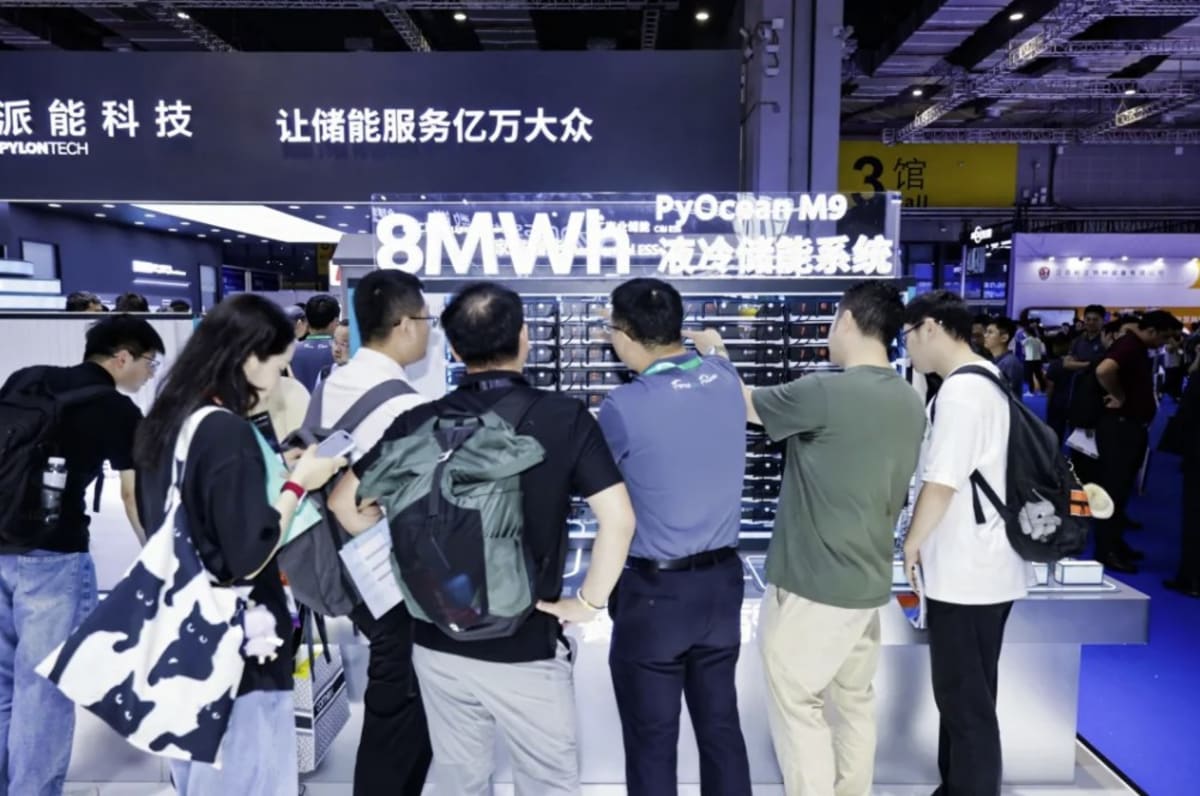
Pylontech unveiled its PyOcean battery system at a Shanghai energy conference, and the numbers are impressive. The massive 8 megawatt-hour system can power thousands of homes while cutting project costs by more than 10% compared to traditional designs.
The breakthrough comes from smarter engineering. By using larger battery cells and integrating components more efficiently, Pylontech reduced the number of parts by half. That means less can go wrong, installation takes less time, and the whole setup requires 38% less land.
The company builds everything themselves, from the individual battery cells to the software that manages them. This top-to-bottom approach let engineers optimize each piece to work better together, achieving 96.5% round-trip efficiency. That means less energy gets wasted as heat when you store it and use it later.
The system uses liquid cooling and three layers of fire protection, addressing two of the biggest concerns with large battery installations. It also runs quietly and sips power even when idle, making it practical for installations near neighborhoods or businesses.
What makes this particularly exciting is the timing. As more solar and wind farms come online, storing that energy for nighttime and calm days becomes crucial. Lower costs mean more projects become financially viable, accelerating the transition away from fossil fuels.
Pylontech designed the PyOcean specifically for real-world economics, not just raw capacity. For an 800 megawatt-hour project, the kind that can backup a small city, the savings add up to millions of dollars in reduced construction and land costs.
The company also showed off applications for AI data centers, which consume massive amounts of electricity. A hybrid lithium-sodium version can respond to power demands in milliseconds, helping stabilize these energy-hungry facilities while reducing their carbon footprint.
The Ripple Effect
Cheaper energy storage doesn't just help one company or one project. Every percentage point drop in cost makes renewable energy more competitive in more places around the world.
Countries with limited suitable land for solar or wind farms benefit most from the space savings. Developing nations watching their budgets can now afford storage systems that seemed out of reach. Grid operators gain flexibility to balance supply and demand without firing up polluting backup generators.
The technology arrives as global renewable installations hit record highs. Solar panel costs have plummeted over the past decade, but storage lagged behind. Now both pieces of the puzzle are falling into place.
Pylontech signed partnerships with major energy companies and AI firms at the conference and expects to start delivering systems by late 2026. The first installations will test whether the promised savings hold up in real conditions, but early adopters are betting they will.
A cleaner grid just became more achievable and affordable.
More Images


Based on reporting by PV Magazine
This story was written by BrightWire based on verified news reports.
Spread the positivity!
Share this good news with someone who needs it