New Imaging Helps Track Cancer-Fighting Cells in Real Time
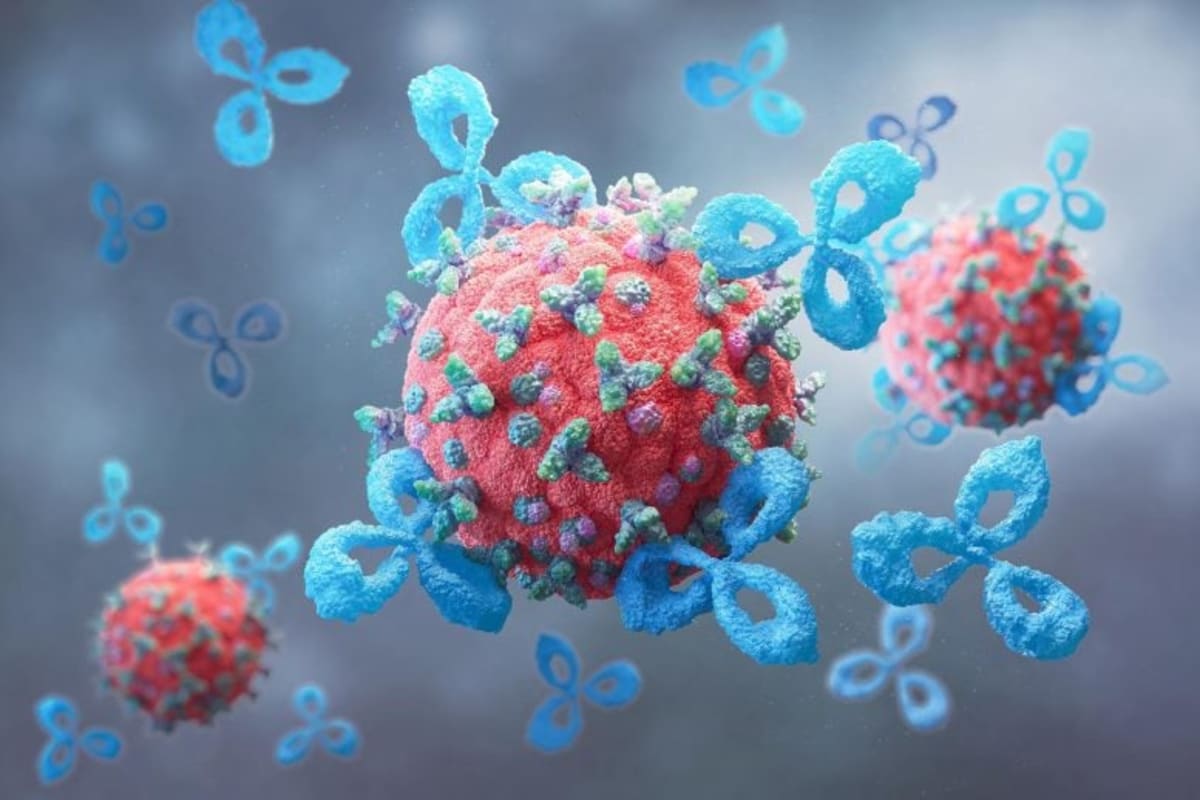
Scientists can now watch cell therapies travel through the body, potentially making treatments for cancer and autoimmune diseases more effective. This breakthrough could help doctors personalize dosing for each patient.
Scientists at Johns Hopkins Medicine have found a way to track cancer-fighting cells as they move through the body, opening doors to more personalized treatments for diseases like multiple sclerosis and cancer.
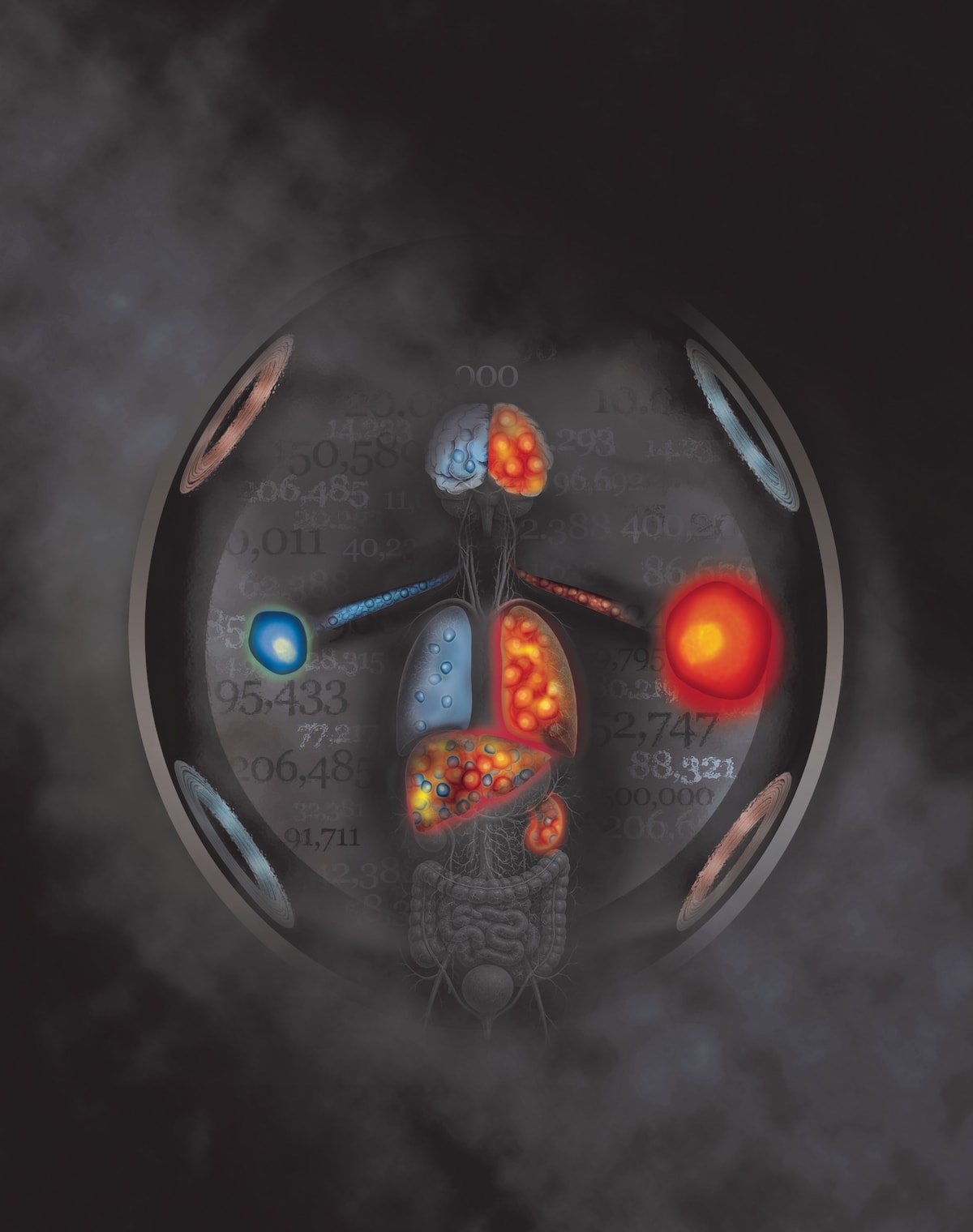
The research team used magnetic particle imaging (MPI), a cutting-edge technique that acts like a GPS for therapeutic cells. By tagging cells with tiny magnetic nanoparticles, they could watch in real time where injected cells traveled and how many actually reached their targets.
This matters because current cell therapies, like CAR-T treatments that engineer immune cells to fight cancer, operate mostly in the dark. Doctors inject the cells and hope they reach tumors or inflammatory tissues, but conventional MRI and CT scanners can't track them precisely.
"Using MPI, we can visualize where therapeutic cells end up in the body," says Dr. Jeff Bulte, professor of radiology at Johns Hopkins. The technology could help determine the exact dose each patient needs, rather than guessing.
The team tested two types of cells in mice: larger stem cells and smaller neural precursor cells. They discovered that injecting cells directly into arteries delivered more therapeutic cells to key organs like the brain and spleen, where they could fight disease at the source.
In mice with a condition similar to MS, the researchers found therapeutic cells traveled straight to the spleen. That's significant because harmful immune cells that drive autoimmune diseases are released from the spleen, meaning treatments could stop the problem right where it starts.
The Ripple Effect
This breakthrough extends beyond just tracking cells. By showing which delivery methods work best, MPI could transform how doctors approach cell therapy for multiple sclerosis, ALS, and various cancers.
The technology could eventually help personalize treatments for each patient receiving cell therapy. Some patients might need arterial injections for brain conditions, while others might benefit from different delivery routes depending on their specific disease and body.
The research team plans to expand their experiments to test MPI with cancer treatments and neurological diseases, building on their successful mouse studies.
The future of cell therapy may not just be about engineering better cells, but about seeing exactly where they go and adjusting treatments in real time for each person who needs them.
Based on reporting by Google News - Researchers Find
This story was written by BrightWire based on verified news reports.
Spread the positivity!
Share this good news with someone who needs it