New Method Extracts Lithium 10x Faster for EVs
Columbia engineers just cracked the code on getting lithium without the massive environmental damage. Their new technique works in places old methods can't touch and could power millions more electric vehicles.
Getting the lithium we need for electric cars and clean energy has always come with a dirty secret: toxic water pollution and sprawling desert ponds that take two years to produce results.
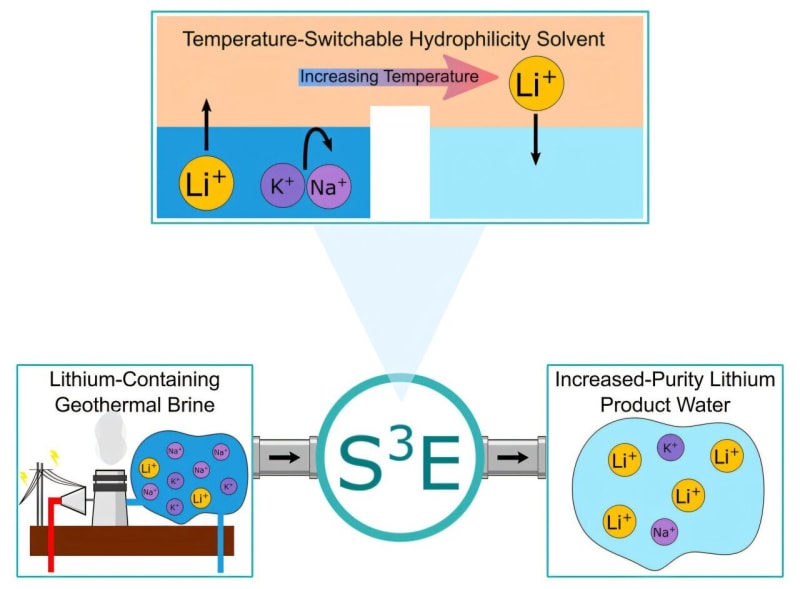
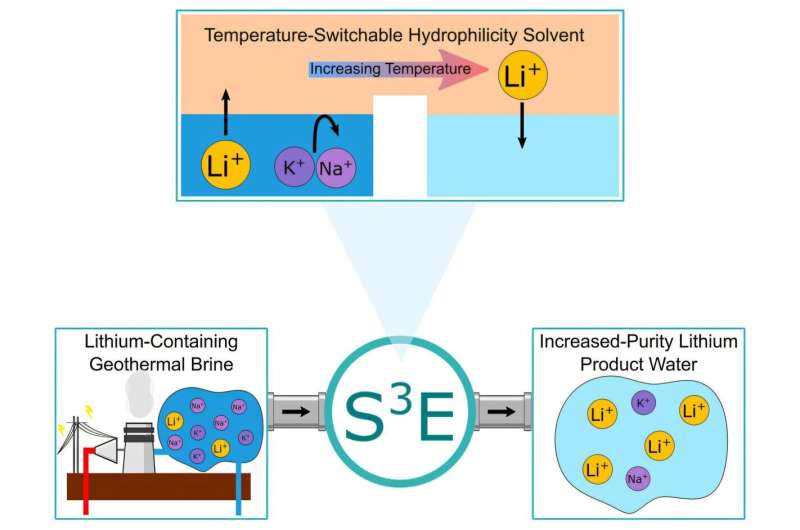
Columbia University engineers just changed the game. They developed a process called S3E that extracts lithium from salty underground water in a fraction of the time, without the environmental mess.
Here's what makes it special. The technique uses a temperature-sensitive solvent that grabs lithium at room temperature and releases it when heated. No toxic chemicals. No years of waiting for water to evaporate under the desert sun.
The numbers tell the story. In lab tests, S3E showed it can select lithium 10 times better than sodium and 12 times better than potassium. It even kicks out magnesium, a common contaminant that usually makes lithium extraction difficult.
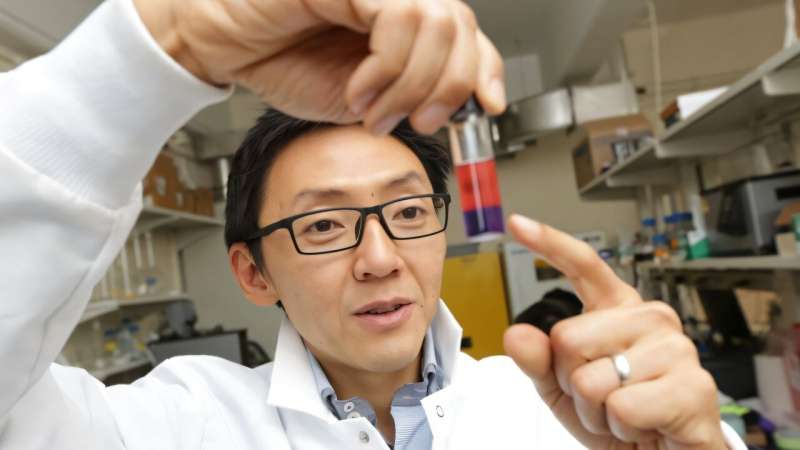
Professor Ngai Yin Yip, who led the research published in Joule, tested the system on water modeled after California's Salton Sea. That region holds enough lithium to supply batteries for 375 million electric vehicles but can't be tapped with current methods.
The team recovered nearly 40% of the lithium over just four cycles with the same batch of solvent. That suggests the process could run continuously, making it viable for industrial production.
Traditional solar evaporation only works in flat, dry places like Chile's Atacama Desert or parts of Nevada. It consumes massive amounts of water in regions that can barely spare it and requires land areas the size of small cities.
S3E changes those constraints. It can work in geothermal areas and other locations where evaporation ponds aren't practical. The heat it needs can come from waste sources or solar collectors, making the whole process cleaner from start to finish.
The Ripple Effect
This breakthrough arrives at exactly the right moment. Global demand for lithium is exploding as electric vehicle production ramps up and battery storage makes renewable energy reliable. Current extraction methods simply can't keep pace without causing serious environmental harm to communities near mining sites.
S3E offers a path forward that doesn't force us to choose between clean energy and clean extraction. The researchers emphasize this is still proof of concept and hasn't been optimized yet, but early results show enough promise to complement or replace the evaporation ponds and hard-rock mining that dominate today's supply chain.
"We talk about green energy all the time," Yip said. "But we rarely talk about how dirty some of the supply chains are. If we want a truly sustainable transition, we need cleaner ways to get the materials it depends on."
As factories worldwide gear up to build the batteries that will power our clean energy future, innovations like S3E ensure we can actually get there without leaving a trail of environmental damage in our wake.
More Images


Based on reporting by Phys.org - Technology
This story was written by BrightWire based on verified news reports.
Spread the positivity!
Share this good news with someone who needs it