New Model Helps Gulf Coast Grouper Make a Comeback
Scientists created a smarter way to predict fishing harvests, helping protect the struggling gag grouper population in the Gulf of Mexico. Their accurate forecasting tool could save this prized fish and transform how we manage vulnerable species.
A beloved Gulf Coast fish is getting a second chance thanks to researchers who figured out how to predict fishing seasons with remarkable accuracy.
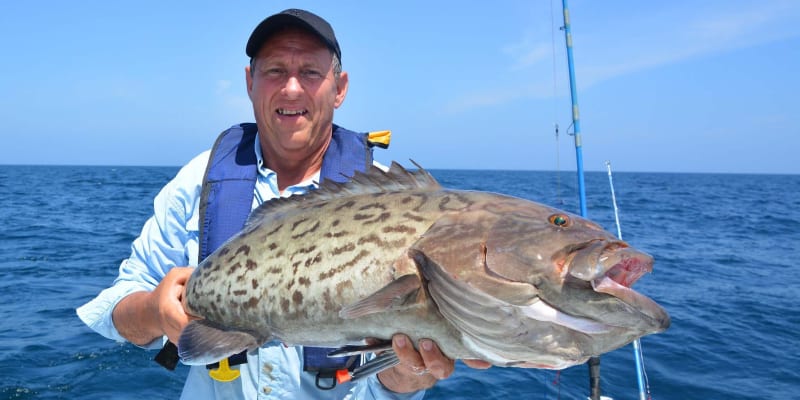
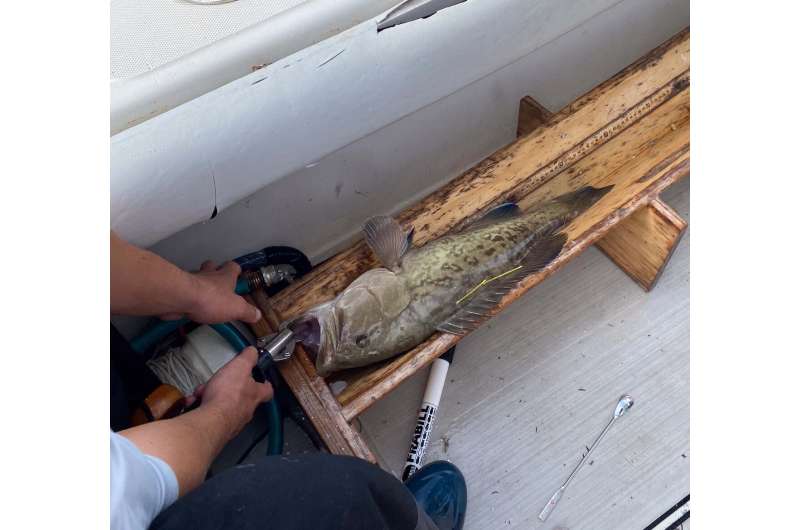
Gag grouper, the mild-tasting reef fish that anglers have prized for generations, has struggled in recent years. The fishing season shrank from six months to just 14 days in 2025 after the population crashed below sustainable levels.
Scientists at the University of South Florida and Florida Fish and Wildlife Conservation Commission just solved a major puzzle. They built a statistical model that predicts how many fish will be caught during a season, helping managers set limits that protect the species without shutting down fishing entirely.
The challenge with gag grouper goes beyond simple overfishing. These fish lead complicated lives, starting as females in coastal estuaries before moving offshore and sometimes changing into males as they grow older. By 2014, only 2 to 3% of the population was male, down from historic levels of 17%.
Traditional forecasting methods looked backward at historical data, but that approach failed when regulations changed because anglers behaved differently. Lead researcher A. Challen Hyman and his team took a different path, training their model on a decade of data that included season lengths, timing, and even whether other popular fish like red snapper were available to catch.
The results speak for themselves. The model predicted anglers would hit the 2025 catch limit in 12 days. When the season closed after 14 days, the harvest came in just under the target.
Why This Inspires
This breakthrough shows how smart science can balance competing needs. Coastal communities depend on fishing for jobs and recreation, while marine ecosystems need healthy fish populations to thrive.
The model gives managers a tool to make confident decisions based on probability rather than guesswork. If a species is vulnerable, they can set more conservative limits. Healthier populations might support longer seasons that benefit fishing communities.
What makes this particularly exciting is its potential beyond gag grouper. The approach works for any recreational fishery facing similar challenges, offering a template for protecting vulnerable species worldwide while supporting the people who depend on them.
The Gulf's gag grouper population isn't recovered yet, but for the first time in years, managers have a reliable compass pointing toward recovery.
More Images
Based on reporting by Phys.org
This story was written by BrightWire based on verified news reports.
Spread the positivity!
Share this good news with someone who needs it