New Observatory Sends 800K Alerts on Universe Changes Nightly
A revolutionary telescope just started sending scientists 800,000 nightly alerts about changes in the universe, from exploding stars to new asteroids. Within a year, it will capture more cosmic objects than all other observatories combined throughout human history.
The night sky just got a whole lot more interesting, and scientists can now watch it unfold in real time.
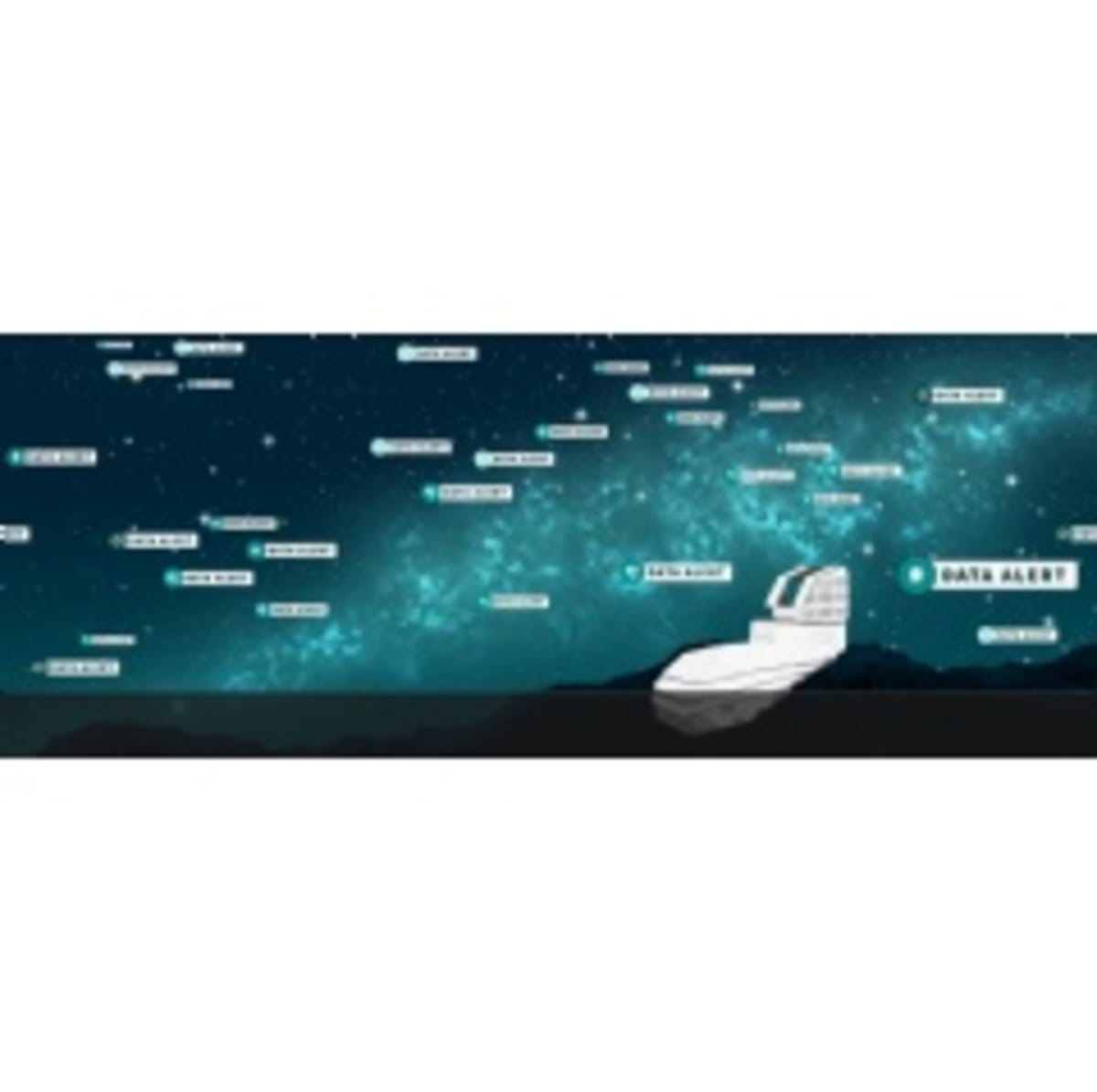
The Vera C. Rubin Observatory in Chile released its first wave of alerts on February 24, flagging 800,000 cosmic events that happened in a single night. The system spotted exploding stars, moving asteroids, brightening galaxies, and other celestial changes invisible to the naked eye.
This marks the beginning of what will become the most comprehensive time-lapse record of the universe ever created. Soon, the observatory will send up to 7 million alerts every night as it scans the entire Southern Hemisphere sky.
The telescope uses the largest digital camera ever built, roughly the size of a small car. For the next 10 years, it will photograph the same patches of sky over and over, catching anything that changes between visits.
Those changes tell amazing stories. A star that suddenly brightens might be exploding in a supernova billions of light-years away. A tiny moving dot could be an asteroid on a path toward Earth, or a rare visitor from interstellar space racing through our solar system.
Scientists expect the observatory to photograph more cosmic objects in its first year than all other optical telescopes combined throughout human history. That's not an exaggeration. The sheer volume of data will give researchers an unprecedented view of how the universe evolves.
Why This Inspires
This achievement represents something bigger than impressive technology. It democratizes access to the cosmos in a way never before possible.
Thousands of scientists worldwide can now receive instant notifications when something interesting happens in space. A graduate student in Tokyo and a professor in Boston will get the same alert about a supernova at the same moment, giving everyone equal opportunity to study these fleeting events.
The alerts will help scientists catch supernovae in their first moments of explosion, track asteroids that might pose threats to Earth, and spot mysterious objects like the cigar-shaped interstellar visitor Oumuamua that zipped through our solar system in 2017. These discoveries will help unlock mysteries about dark matter, dark energy, and the fundamental nature of our universe.
The full survey begins later this year, opening a new era where humanity can witness cosmic events as they happen. For the first time, we're not just looking at the universe. We're watching it change.
Based on reporting by Google: scientific discovery
This story was written by BrightWire based on verified news reports.
Spread the positivity!
Share this good news with someone who needs it