
Nigeria Invests $2.99B in Three New Metro Rail Systems
Nigeria just approved $2.99 billion to build modern rail networks in Lagos, Kano, and Kaduna, bringing efficient public transport to millions. The country is also launching a presidential taskforce to overhaul its power sector and unlock economic growth.
Three of Nigeria's most populous cities are getting state-of-the-art rail systems that could transform how millions of people live and work.
The Federal Executive Council approved $2.99 billion in funding for metro rail projects in Lagos, Kano, and Kaduna. These aren't minor upgrades. They're complete rail networks designed to ease traffic congestion, reduce commute times, and connect people to jobs and opportunities.
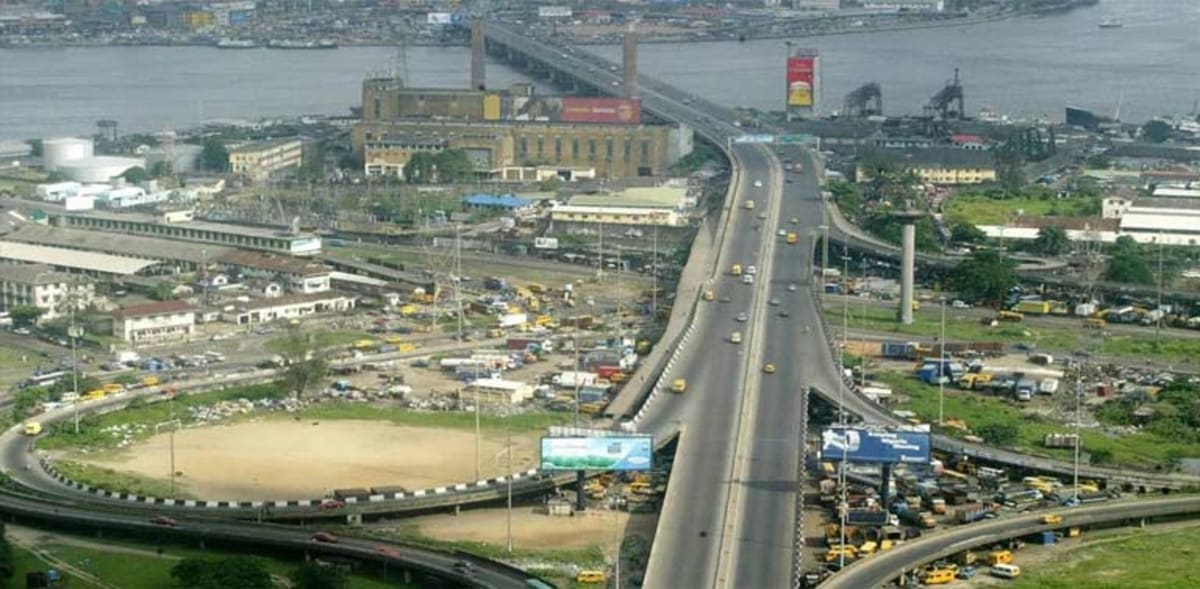
Lagos will get its long-awaited Green Line, running from Marina on Lagos Island all the way to Lekki. The route cuts through some of the most densely populated commercial and residential areas in sub-Saharan Africa. For the millions who currently spend hours stuck in traffic, this could mean getting home to their families in half the time.
Kano and Kaduna, two economic powerhouses in northern Nigeria, will each receive their own metro systems. Finance Minister Taiwo Oyedele explained the strategy: focus on cities where investment delivers the biggest impact for the most people.
"For economic development, you need infrastructure that works, infrastructure that helps you with productivity and growth," Oyedele said at the State House briefing. The projects will be jointly funded by the federal government and the states themselves.
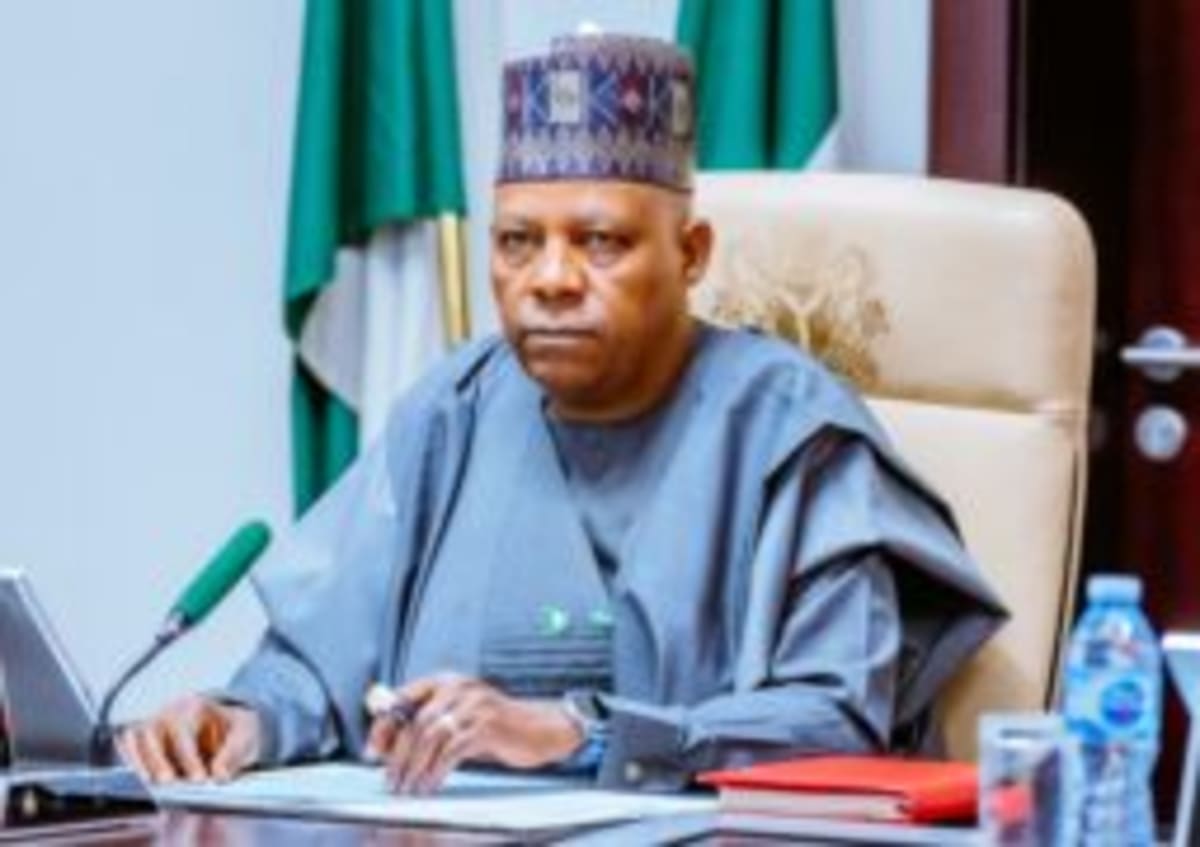
The rail announcement came alongside another major move. President Bola Tinubu will personally chair a new Power Sector Reform Taskforce, signaling just how serious the government is about fixing Nigeria's electricity challenges.
The 10-member taskforce includes key ministers and industry representatives. Their mission is clear: overhaul the power sector to enable industrialization and economic prosperity. The president also appointed Rilwan Babalola as his Special Adviser on Power.
The Ripple Effect
Better transportation and reliable electricity might sound like separate issues, but they work together to unlock economic potential. When people can get to work easily and businesses have consistent power, entire communities thrive.
The rail systems will reduce carbon emissions by taking thousands of cars off crowded roads. They'll give workers back hours of their day currently lost to traffic. Small businesses along the routes will gain access to larger customer bases.
Meanwhile, fixing the power sector addresses one of Nigeria's biggest barriers to industrial growth. Factories that currently rely on expensive diesel generators could operate more efficiently. That means lower costs, more jobs, and products that can compete globally.
For the estimated 20 million people living in these three metropolitan areas, these aren't just infrastructure projects. They're investments in quality of life, economic opportunity, and a more connected future.
Nigeria is betting big that modern infrastructure can accelerate its path to prosperity, and millions of daily commuters will feel the difference.
More Images

Based on reporting by Punch Nigeria
This story was written by BrightWire based on verified news reports.
Spread the positivity!
Share this good news with someone who needs it

%2Ffile%2Fattachments%2Forphans%2FBMAfricaairlines_291454.jpg)