Nigeria's Busiest Port Gets Major Green Makeover
Hundreds of workers at Nigeria's largest container terminal just turned their annual awareness week into serious action, cleaning miles of port roads and planting dozens of trees. The effort shows how businesses can protect the environment while keeping commerce flowing.
Workers at Nigeria's busiest port aren't just talking about sustainability anymore. They're rolling up their sleeves and making it happen.
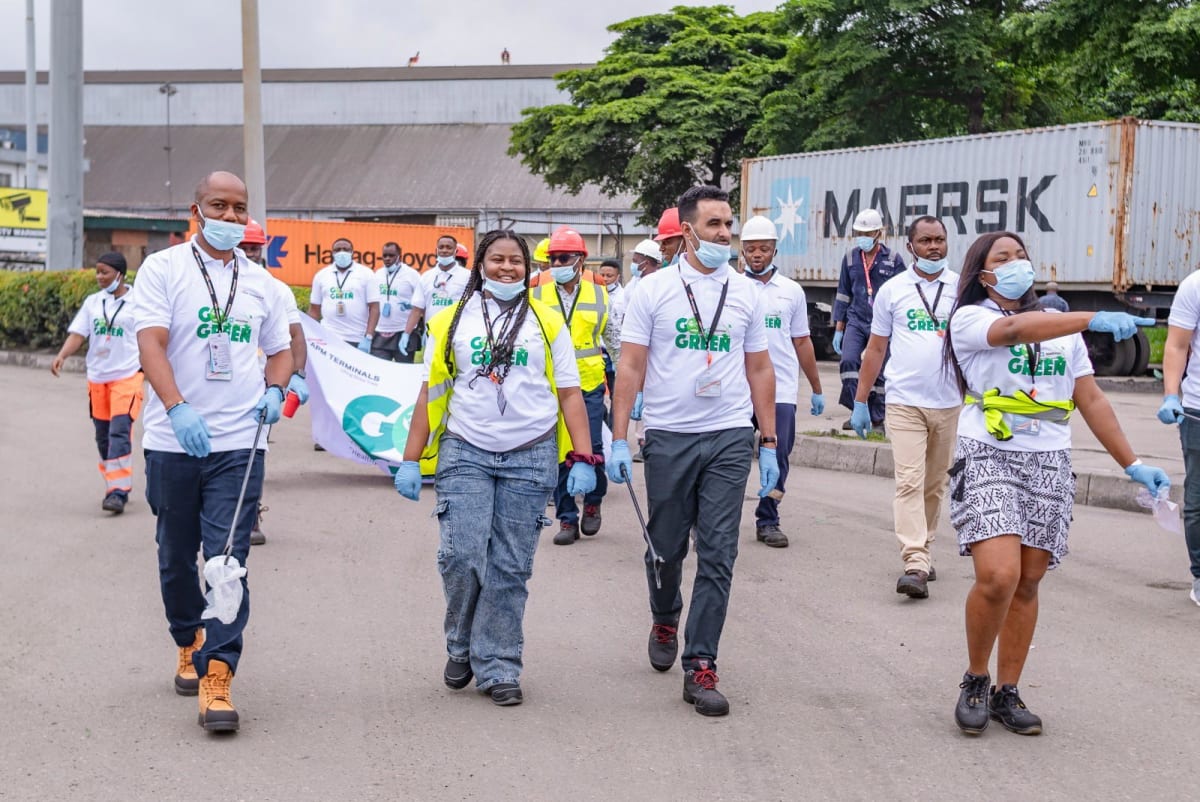
Employees at APM Terminals Apapa, the country's largest container terminal, mobilized Friday for a massive cleanup of the Lagos Port Complex. Armed with cleaning tools and protective gear, they tackled miles of port corridors that had accumulated plastic waste, wooden planks, bottles, and debris along roads critical to Nigeria's trade.
The cleanup stretched from Finger Jetty through the common user road to multiple checkpoints, clearing paths that thousands of trucks travel daily. Nigerian Ports Authority staff joined in, turning the effort into a united front for a cleaner workplace.
But the initiative goes deeper than one cleanup day. Earlier in the week, the team planted over 25 bags of frangipani plants and Pride of Barbados seeds throughout the terminal to boost biodiversity and create green spaces where concrete usually dominates.
The work kicks off APM Terminals' annual Go Green Week, part of the company's push toward net-zero operations by 2040. This year's theme connects healthy ecosystems with resilient business, recognizing that environmental health and economic success aren't competing goals.
Managing Director Kamal Alhraishat sees the campaign as proof that environmental commitments can become real actions. The company plans to host environmental town halls where sustainability experts will teach workers practical waste management techniques they can use at work and home.
The Ripple Effect
The cleanup matters beyond aesthetics. A cleaner port means safer working conditions for the thousands who move through it daily and smoother cargo flow through Nigeria's critical supply chain.
Felix Ugwuagbo, the terminal's Health, Safety and Environment Manager, points out that when port workers step outside their usual boundaries to improve shared spaces, everyone benefits. Other port users see the example and the standard it sets.
Umar Ibrahim from the Nigerian Ports Authority's Environment division notes that effective waste management directly supports the movement of people and goods. When access roads stay clear and clean, trucks don't get delayed, workers stay healthier, and the ecosystem around the port suffers less damage.
The initiative proves that Africa's industrial centers can grow without sacrificing environmental health, setting a template other ports across the continent might follow.
Based on reporting by Vanguard Nigeria
This story was written by BrightWire based on verified news reports.
Spread the positivity!
Share this good news with someone who needs it