North Carolina Gives Fire Stations Solar Power After Helene
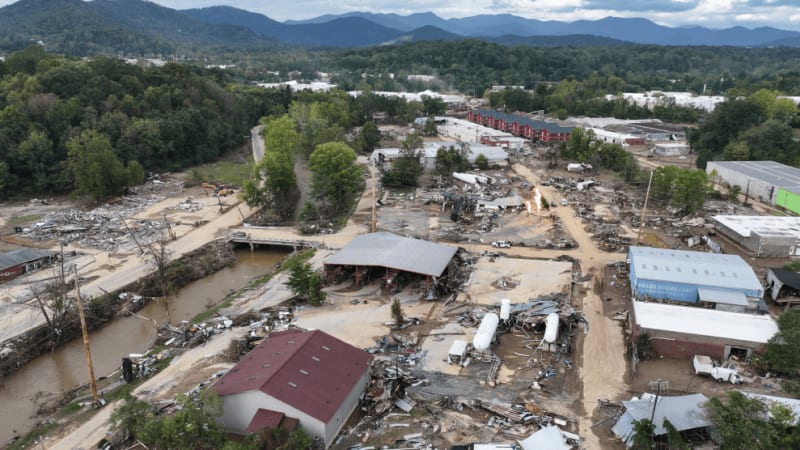
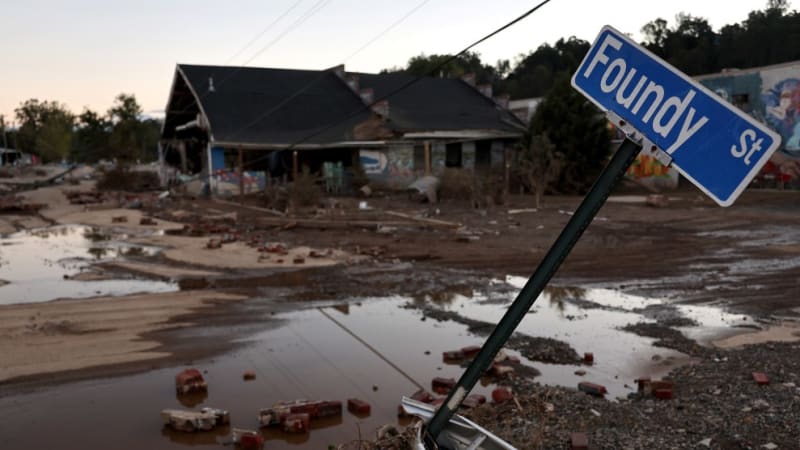
After Hurricane Helene devastated rural North Carolina, isolated communities turned to their fire stations for survival. Now those same stations are getting solar microgrids to stay powered when the next storm hits.
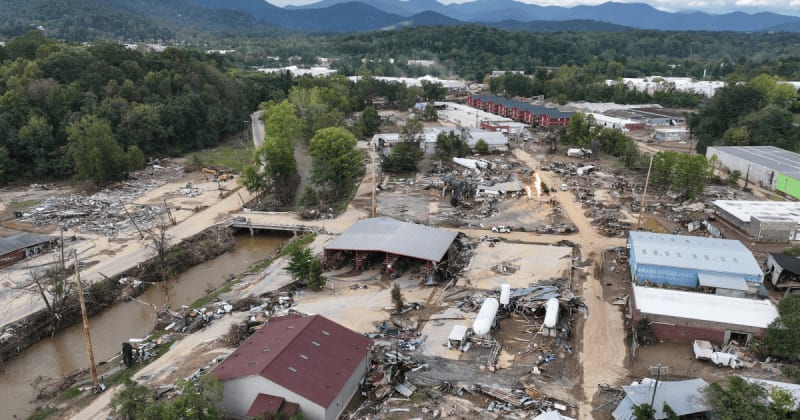
When Hurricane Helene flooded remote Yancey County, North Carolina, the Double Island Volunteer Fire Department became a lifeline for neighbors cut off from the world. Without power, roads, or working phones, Assistant Fire Chief Dan Buchanan and his team coordinated rescue missions by writing supply lists on notepads and passing them to anyone who could get through.
Four days later, they had accounted for every resident in their mountain community 50 miles northeast of Asheville. But the wait for insulin and other medications was agonizing, and the lack of communication nearly proved deadly.
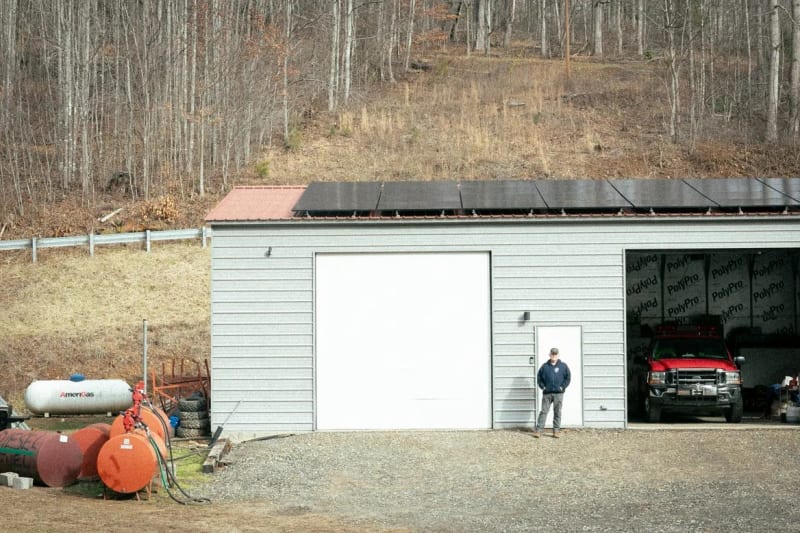
Sixteen months after Helene, Double Island and dozens of other fire stations across western North Carolina are now equipped with something that could save lives in the next disaster: solar panels and battery systems that work even when the grid goes down.
The microgrid at Double Island includes 32 solar panels and two four-hour batteries. During normal times, it will cut the station's monthly electric bill by $100, meaningful savings for a department running on just $51,000 a year.
But when the next storm knocks out power lines, the system becomes what Buchanan calls "the Willy Wonka golden ticket." The station can run radio equipment, pump well water, keep lights on, and refrigerate medications. Most importantly, it can maintain an internet signal to call for help.
The Ripple Effect
The resilience hub project started when the New Orleans-based Footprint Project rolled into Black Mountain the weekend after Helene with donated solar panels and batteries. Working with the North Carolina Sustainable Energy Association and local volunteers, they installed microgrids at fire stations and community centers throughout the region before 2024 ended.
Now a state grant program is expanding the effort. Jamie Trowbridge, senior program manager at Footprint Project, sees it as more than disaster preparation. The hubs reduce energy costs, diversify power sources, and help rural communities see clean energy as practical and reliable.
Kristin Stroup, who coordinated volunteers in Black Mountain after the storm, watched the transformation firsthand. She's now helping scale the model as a senior manager at Appalachian Voices. The goal is to prove that what works in the shadow of Mount Mitchell can work in rural communities nationwide.
For Buchanan, whose family has lived in the area since 1747, the solar system represents something simple but profound: the ability to communicate when disaster strikes. "If you can't communicate, you can't get the help you need," he said.
Communities across western North Carolina now have both the power and the connection to ask for that help when they need it most.
More Images
Based on reporting by Google News - Clean Energy
This story was written by BrightWire based on verified news reports.
Spread the positivity!
Share this good news with someone who needs it