Norway Upgrades 1950s Hydropower Plants for Modern Green Grid
Three Norwegian hydropower stations that power 79,000 homes are getting a complete digital overhaul starting in 2028. The upgrade will help stabilize Europe's growing renewable energy network for decades to come.
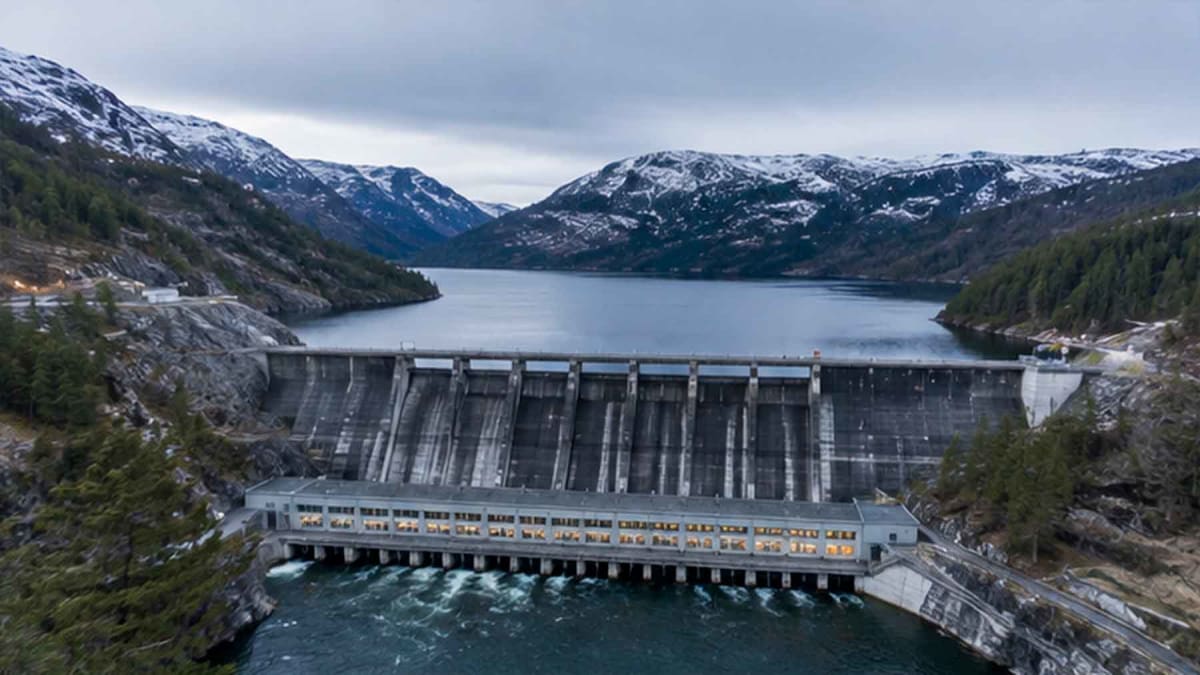
Deep in Norway's western fjords, three aging power stations are about to get smarter without building a single new dam.
The Målset, Refsdal, and Hove facilities generate 830 gigawatt-hours of clean electricity annually, enough to power nearly 79,000 American homes. But their control systems were designed for a completely different era, when renewable energy grids were far simpler than today.
Norway's state power company Statkraft partnered with technology leader ABB to give all three stations a complete nervous system transplant. The centerpiece is a unified digital control platform that will manage all five generating units simultaneously, replacing decades-old equipment that can't keep pace with modern grid demands.
Each generator will receive precision control systems that can respond within milliseconds. The upgrade includes advanced cybersecurity defenses, digital vibration monitoring, and extensive new cabling to tie everything together seamlessly.
The timing couldn't be more critical. Norway generates 90% of its electricity from hydropower, making it Europe's "green battery" when solar and wind power fluctuate across the continent. As renewable energy sources multiply, European grids need hydroelectric plants that can rapidly absorb energy surpluses and fill sudden supply gaps.
Modern wind and solar power flood regional networks unpredictably, forcing grids to adapt in real time. Without responsive controls, aging hydropower facilities risk becoming bottlenecks instead of stabilizers.
The Ripple Effect
This project reveals something hopeful about our clean energy future. The key to stabilizing tomorrow's renewable grids isn't always building massive new infrastructure.
Sometimes the biggest breakthroughs come from making existing clean energy smarter. By bringing ABB engineers into the design process before signing contracts, Statkraft avoided costly delays and created a collaboration model other utilities can follow.
Construction begins at Målset in 2028, with Refsdal and Hove following in 2029. The careful timeline reflects months of planning to integrate cutting-edge software with turbines built by different manufacturers decades ago.
Across Europe, hundreds of aging hydropower facilities face similar challenges. This Norwegian project offers a practical blueprint for transforming mid-century industrial workhorses into intelligent power plants ready for the renewable energy era.
The Vikfalli upgrade proves that building a cleaner future sometimes means teaching old infrastructure new tricks.
Based on reporting by Google News - Norway Green Energy
This story was written by BrightWire based on verified news reports.
Spread the positivity!
Share this good news with someone who needs it