Notre Dame Dig Unearths 2,000 Years of Hidden Paris History
Archaeologists are uncovering centuries of Parisian life beneath Notre Dame's forecourt, finding everything from Roman coins to mysterious medieval pottery. The "dig of the century" is revealing complete artifacts and unsolved mysteries just meters below the famous cathedral.
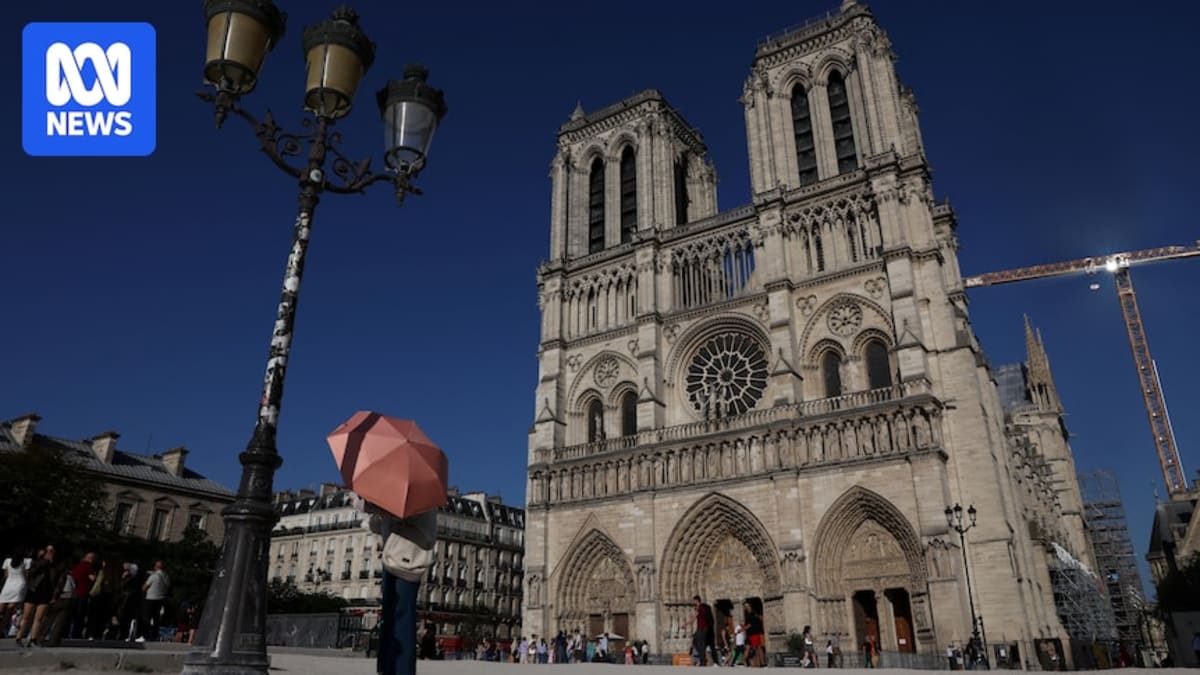
Beneath one of the world's most famous cathedrals, archaeologists are discovering a hidden city that tells the story of Paris across 2,000 years.
The excavation under Notre Dame's forecourt began as part of plans to add trees and shade to the square in front of the cathedral. But in a city this ancient, workers needed to dig carefully to preserve whatever history lay buried beneath their feet.
What they found turned into something extraordinary. Just 50 centimeters below the surface, the first traces of old Paris appeared. Four meters down, the team is still pulling up artifacts that haven't seen daylight in centuries.
Some days they fill 15 crates with treasures from the past. A coin stamped with Emperor Constantine's face from the 4th century emerged black with rust, its details only visible under X-ray. Medieval pottery came up whole and intact, cushioned by centuries of soft soil.
The deepest finds tell the oldest stories. When Paris was called Lutetia under Roman rule, its center sat across the Seine River. As the Roman Empire fell, people retreated to the island where Notre Dame now stands and built protective walls from stones of older buildings.
The archaeological team found proof of this transformation. A Roman doorstep, clearly taken from a much larger building, had been flipped upside down and used as paving in a medieval road.
Medieval cellars revealed the richest surprises. Old latrines that doubled as garbage dumps preserved complete jugs, cups, and plates alongside animal bones. Finding whole ceramics is rare, conservator Valentine Breloux explained, making these discoveries especially valuable.
Why This Inspires
The excavation is changing how visitors experience Notre Dame. Tourist Emily Carter from Manchester said it best: "You come to see the cathedral, then realize there's another city under your feet. That's almost more moving."
Twenty centuries of human life are stacked in just four meters of earth. The dig reveals how generations of Parisians lived, ate, and built their homes on the same small island in the Seine.
Some mysteries remain unsolved. Conservators cleaning ordinary-looking medieval pottery discovered faint reddish writing painted inside multiple pieces. No expert has yet deciphered what the markings mean, making them the most astonishing finds so far.
Lead archaeologist Camille Colonna and her team are carefully documenting each layer they uncover. Every artifact travels to Paris's archaeology center, adding to the city's treasure house of history.
The dig shows that even in places we think we know completely, new discoveries wait just beneath the surface.
More Images


Based on reporting by ABC Australia
This story was written by BrightWire based on verified news reports.
Spread the positivity!
Share this good news with someone who needs it