Nova Scotia Tackles Landfill Methane With University Study
A groundbreaking partnership between Nova Scotia and St. Francis Xavier University will measure and capture methane emissions from the province's largest landfills, turning a potent greenhouse gas into renewable energy. The project could help communities across Canada turn climate threats into clean power.
Nova Scotia just took a smart step toward cleaner air by teaming up with researchers to tackle one of climate change's hidden culprits: landfill methane.
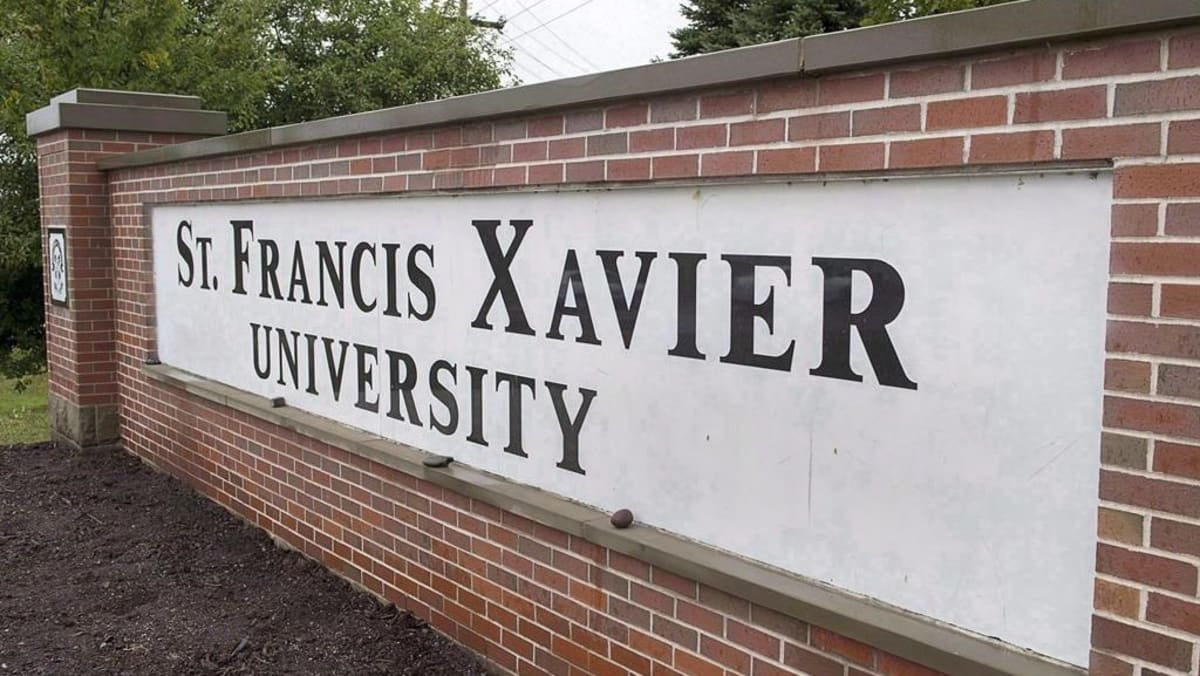
St. Francis Xavier University in Antigonish received $242,060 to measure methane emissions from landfills across the province and find the best ways to capture it before it reaches the atmosphere. Methane is a powerful greenhouse gas that traps far more heat than carbon dioxide, making landfills surprisingly significant contributors to climate change.
The university's research team will do more than just measure the problem. They'll study innovative methane recovery systems already working in Canada and around the world, then figure out which ones make sense for Nova Scotia's municipalities.
The captured methane won't go to waste. Communities can convert it into renewable energy, turning a climate problem into a power source while reducing emissions at the same time.
"Our universities are centres of innovation, and we need to work with our best and brightest to find creative solutions," said Michelle Thompson, representing the Minister of Environment and Climate Change. The project supports Nova Scotia's ambitious goal to cut greenhouse gas emissions by at least 53 percent below 2005 levels by 2030.
David Risk, who holds the Research Chair in Climate Science and Policy at the university, sees this as building on Nova Scotia's track record. "Nova Scotia has long been a leader in waste management, and this project is an opportunity to build on that leadership," he said.
The funding comes through the Sustainable Communities Challenge Fund, a provincial grant program helping Nova Scotians fight climate change at the local level.
The Ripple Effect
This project could help municipalities across the province make smarter decisions about their landfills while benefiting nearby communities with cleaner air. The research findings will give local leaders the knowledge and tools they need to reduce emissions, create renewable energy, and move toward a more sustainable future. Other provinces watching Nova Scotia's waste management success could follow the same playbook, multiplying the impact far beyond one province's borders.
Nova Scotia is proving that solving climate challenges starts with measuring what we can't see and capturing what we can.
Based on reporting by Google News - Emissions Reduction
This story was written by BrightWire based on verified news reports.
Spread the positivity!
Share this good news with someone who needs it