Octopus Inspires Breakthrough Adhesive That Grips Underwater
South Korean scientists created a revolutionary adhesive patch by studying octopus tentacles that sticks to wet, oily surfaces without harsh chemicals. The thumbnail-sized patch could transform wound care and industrial applications within three years.
A trip to the supermarket two years ago just led to a medical breakthrough that could change how we treat injuries and build underwater structures.
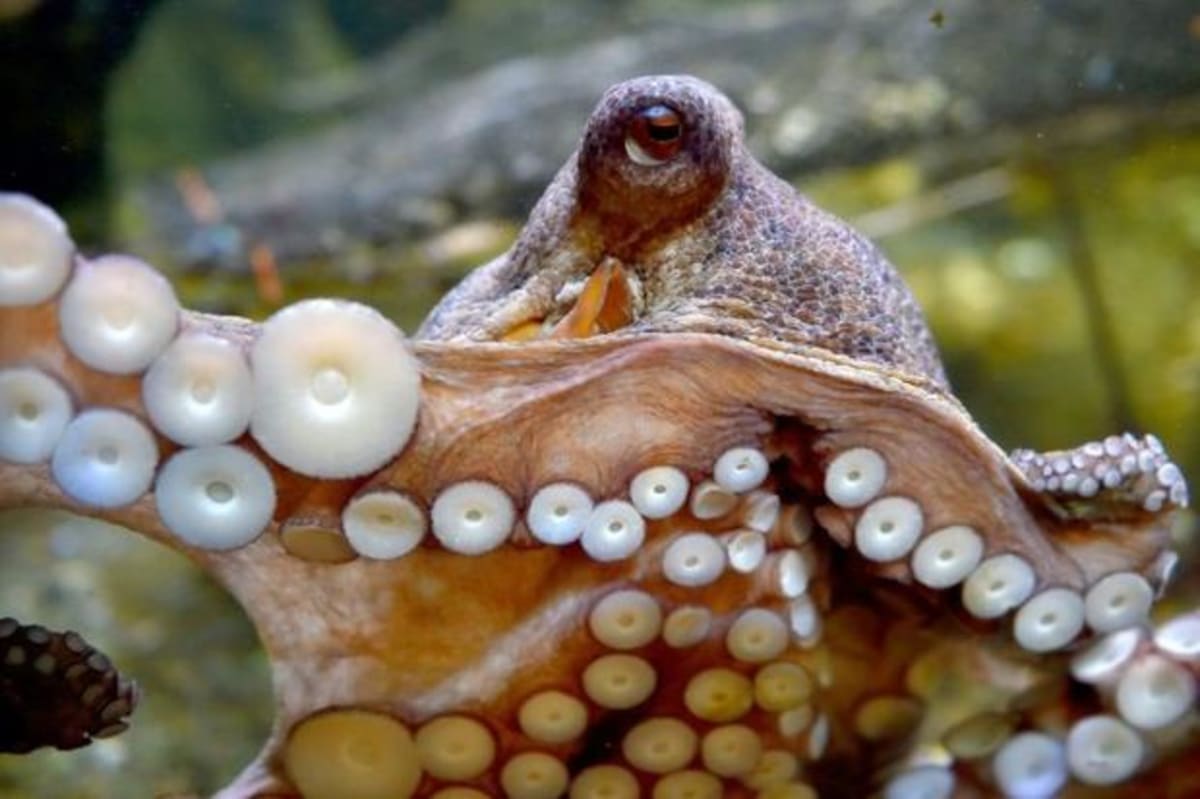
Researchers at South Korea's Sungkyunkwan University bought an octopus from their local Lotte Supermarket, placed its suction cups under a microscope, and discovered the secret to nature's strongest grip. The team found that tiny balls inside each suction cup give octopuses their incredible holding power.
Now they've turned that discovery into something remarkable. The scientists created polymer patches covered with micro suction cups that mimic the octopus design perfectly.
A patch the size of your thumbnail can lift nearly a pound underwater. Even more impressive, one patch survived over 10,000 attachment and detachment cycles without losing its grip.
Professor Changhyun Pang and researcher Sangyul Baik led the team that proved these patches work on silicon, glass, and even rough human skin. They stick equally well whether surfaces are bone dry, damp, fully submerged, or covered in oil.
The breakthrough solves a problem that has frustrated medical professionals for decades. Current adhesives either fail when wet or rely on harsh chemicals that irritate skin and damage tissue.
These octopus-inspired patches contain zero chemical adhesives. They can help suture wounds without causing inflammation or allergic reactions, opening new possibilities for surgery and emergency care.
The Ripple Effect
The applications extend far beyond medicine. Industries that work in wet environments like shipbuilding, underwater construction, and oil drilling could use these patches for stronger, safer connections.
Manufacturing facilities dealing with oily machinery now have a grip solution that actually works in their conditions. The patches could reduce workplace accidents and equipment failures in environments where traditional adhesives simply give up.
South Korea's Ministry of Science and Technology has officially recognized this as a breakthrough innovation. The research appeared in Nature last week, one of the world's most prestigious scientific journals.
The team expects their creation to reach commercial markets within three years. That timeline accounts for safety testing, manufacturing scale-up, and regulatory approval for medical uses.
What started with curiosity about a supermarket octopus is about to stick around and change lives.
More Images




Based on reporting by Google News - South Korea Breakthrough
This story was written by BrightWire based on verified news reports.
Spread the positivity!
Share this good news with someone who needs it