One Simple Exercise Cut Overcommitment at Top Genomics Lab
A groundbreaking genomics lab discovered they were drowning in projects until one visualization trick changed everything. The solution was so simple it fit on Post-it notes.
Scientists at a leading genomics lab thought they were managing their workload just fine until they tried something radical: they wrote down everything they were doing.
Each project got its own Post-it note, and the team stuck them all on a wall. The result shocked them. They were juggling far too many projects at once, spreading themselves too thin to make real progress on what mattered most.
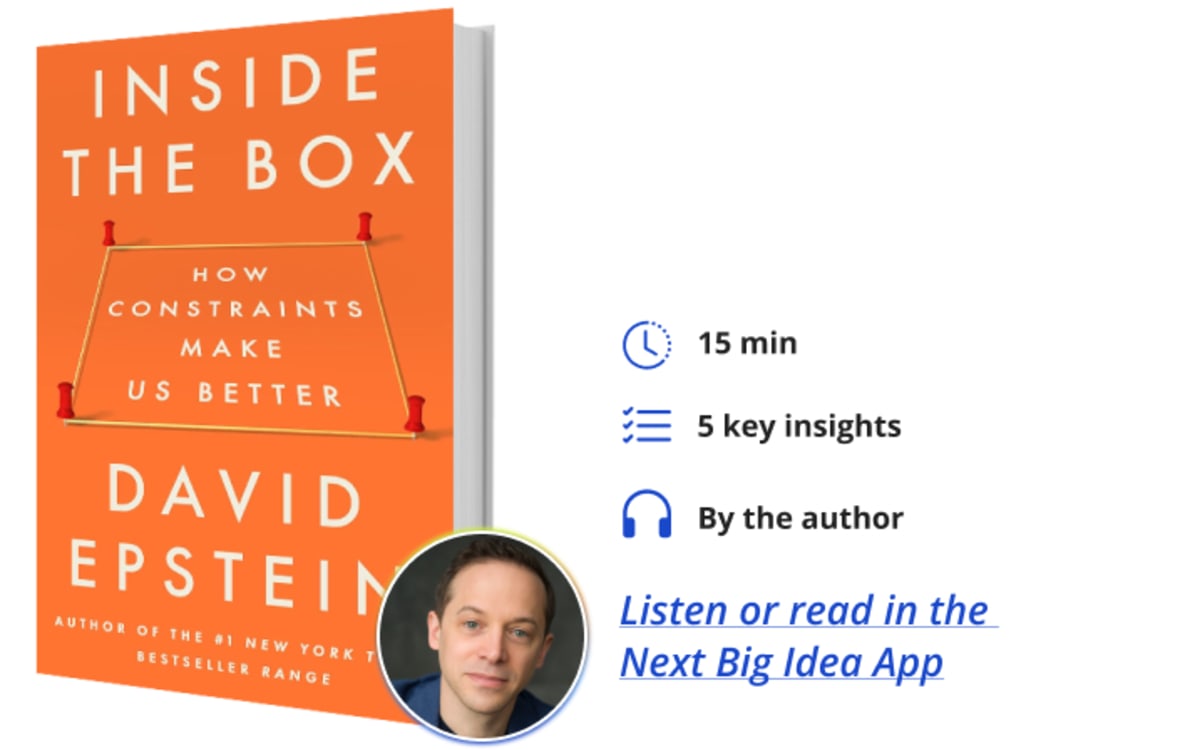
The discovery led author David Epstein to explore how constraints actually make us better in his new book "Inside the Box." The genomics lab's experience reveals a truth most of us miss: we can't see our own overcommitment until we make it visible.
Epstein calls this a "subtraction audit," and it works for anyone feeling overwhelmed. Write down every current commitment, whether professional or personal. Then ask yourself one powerful question: "If I had to cut one of these in the next 90 days, which would it be?"
You don't have to eliminate it forever. Just pause it. The exercise forces you to acknowledge what really matters when medium-priority tasks compete with top priorities.
Most people who try this realize they've been saying yes to too much. That's because humans have what researchers call "subtractive neglect bias." We naturally overlook solutions that involve taking things away, always looking to add more instead.
The genomics lab transformed their productivity by choosing to focus on fewer projects. They could finally give their best work the attention it deserved instead of spreading energy across dozens of competing priorities.
Why This Inspires
This story proves that doing less can mean achieving more. In a world that constantly pushes us to hustle harder and take on more, a simple wall of Post-it notes showed brilliant scientists that their real power came from subtraction, not addition.
The beauty of this approach is its accessibility. You don't need fancy software or productivity systems. Just honest visibility into where your time actually goes, and the courage to let some things wait while you excel at what truly matters.
More Images
Based on reporting by Fast Company
This story was written by BrightWire based on verified news reports.
Spread the positivity!
Share this good news with someone who needs it