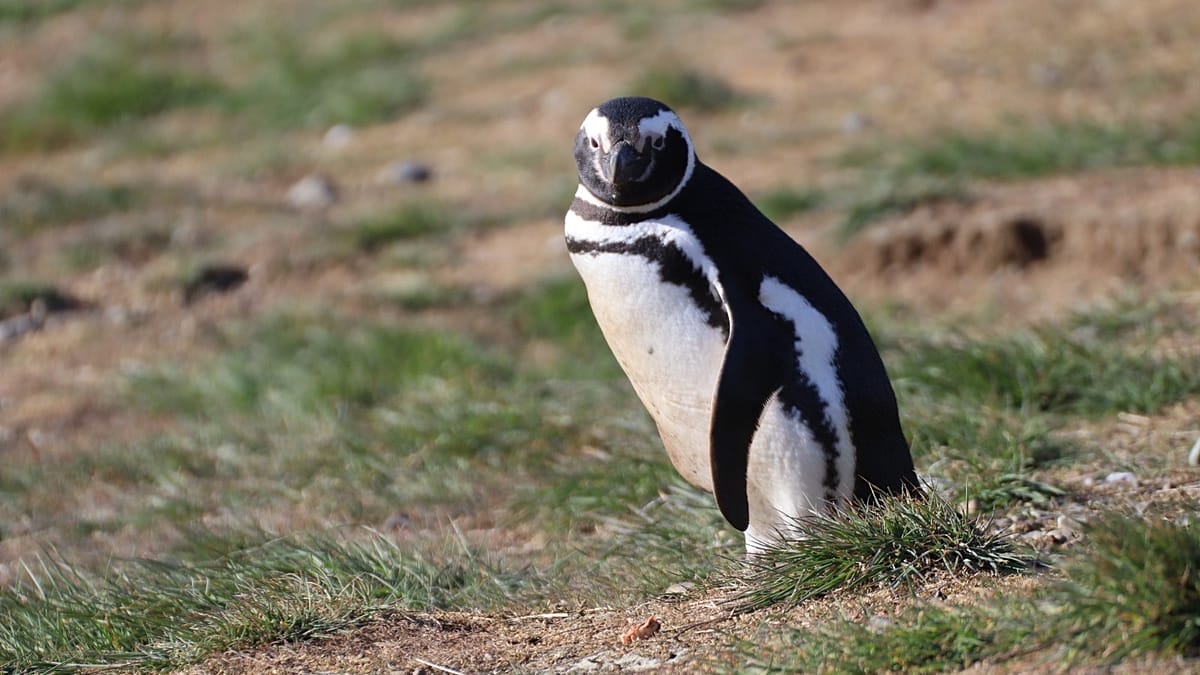
Penguins Help Scientists Track Pollution in Remote Oceans
Scientists turned penguins into ocean detectives by fitting them with silicone bands that absorb chemicals from their environment. The innovative tracking method revealed that newer "safer" forever chemicals are spreading globally, even to remote Argentine coasts.
Scientists have discovered a breakthrough way to monitor ocean pollution without stressing wildlife, and penguins are leading the charge as unlikely environmental heroes.
Researchers from UC Davis and SUNY Buffalo fitted 54 Magellanic penguins along Argentina's Patagonian coast with simple silicone leg bands during their 2022-2024 breeding seasons. These bands acted like tiny sponges, safely absorbing chemicals from the water, air, and surfaces the penguins encountered as they went about their daily lives.
The results surprised the team. More than 90 percent of the bands detected PFAS (forever chemicals) despite the remote location, far from any industrial sources.
But here's the real breakthrough: This method is completely non-invasive. Previously, tracking pollutants meant drawing blood samples or plucking feathers, which stressed the animals. Now penguins can help scientists understand ocean health while simply living their normal lives.
The study revealed something concerning yet important for future environmental policy. Newer PFAS chemicals, designed as safer replacements for older versions, are still spreading across the globe. Compounds like GenX, typically found near factories, have somehow reached one of Earth's most isolated coastlines.
The Ripple Effect
This discovery isn't just about penguins. The tracking method opens doors to monitoring ocean health through the eyes of the animals who live there. Scientists plan to expand their team of environmental detectives by fitting the bands on cormorants, which dive more than 250 feet deep and can reveal what's happening in ocean layers humans rarely see.
The technique could transform how we understand chemical spread in marine ecosystems. Instead of expensive, limited water sampling, researchers can deploy these simple sensors on wildlife that naturally explore vast ocean territories. It's like having thousands of research assistants working around the clock.
Co-author Marcela Uhart captured the bigger picture perfectly: turning penguins into sentinels gives us a powerful way to protect not just individual species, but entire ocean ecosystems that millions of creatures depend on.
The innovation proves that sometimes the best solutions come from working with nature rather than against it. These waddling toxicologists are helping scientists gather data that could shape safer chemical policies worldwide, protecting both wildlife and the oceans that connect us all.
More Images


Based on reporting by Euronews
This story was written by BrightWire based on verified news reports.
Spread the positivity!
Share this good news with someone who needs it