Peru Grants Stingless Bees World's First Insect Rights
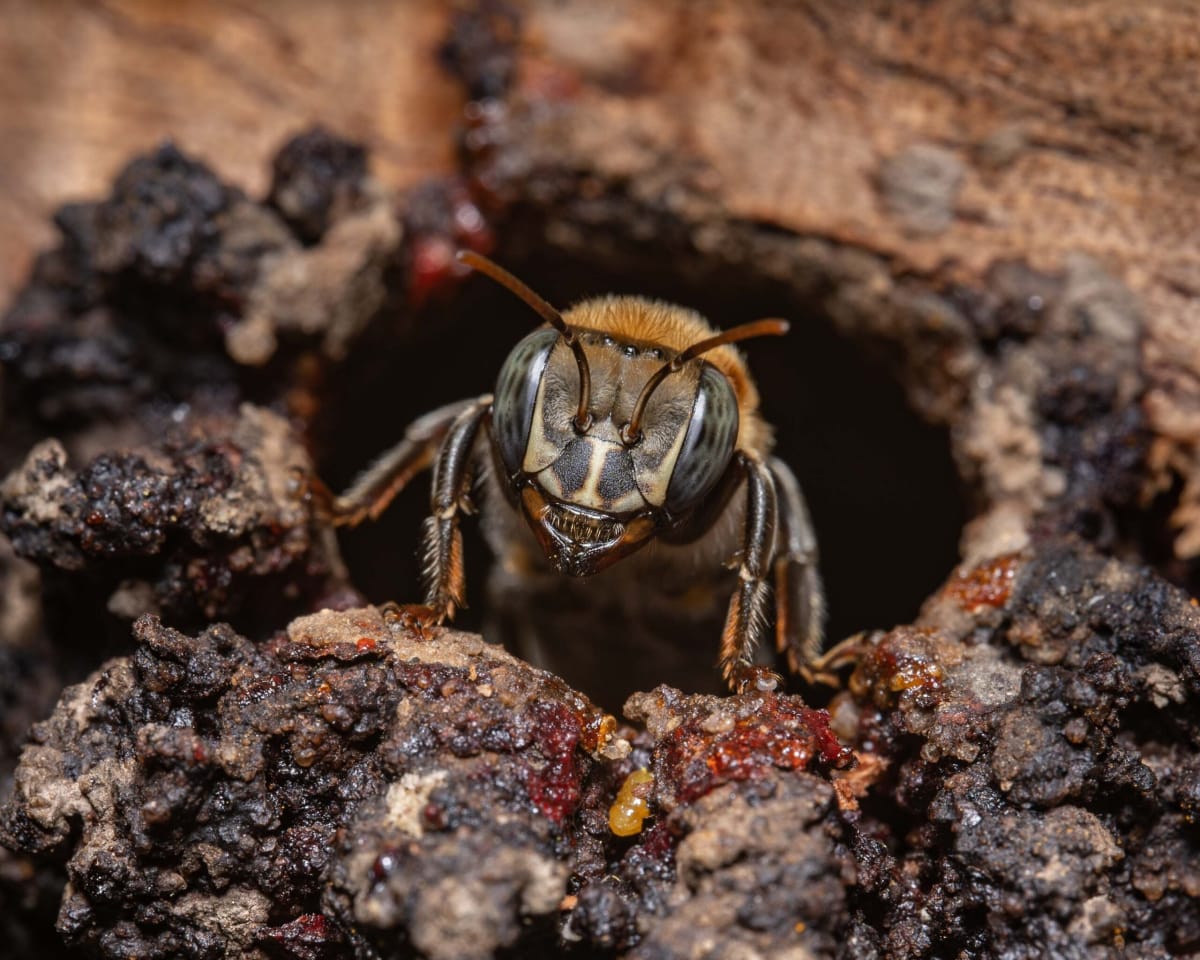
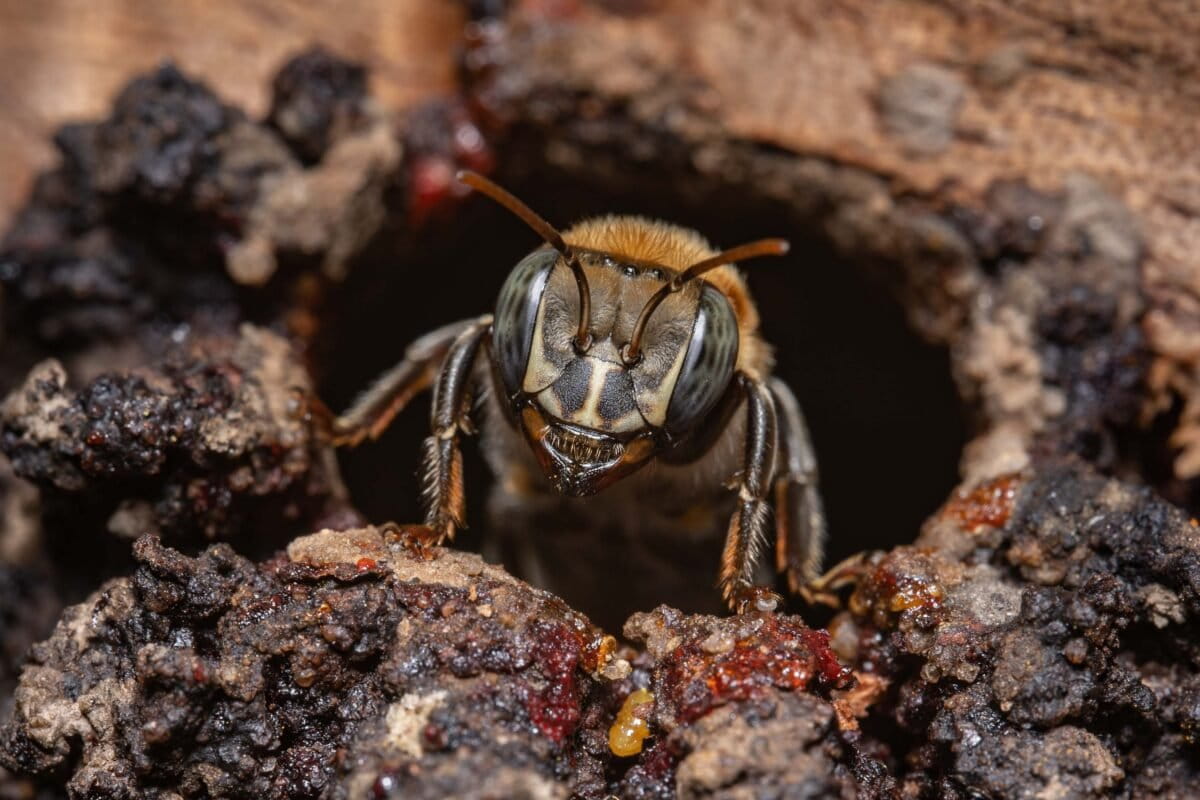
Two Peruvian towns just made history by giving native stingless bees legal rights to exist, thrive, and even be represented in court. It's the first time any insect has been recognized as a rights-bearing entity anywhere on Earth.
In a groundbreaking move, two municipalities in the Peruvian Amazon have granted native stingless bees the legal right to exist, reproduce, and flourish. The ordinances in Satipo and Nauta-Loreto mark the first time any insect has gained legal standing anywhere in the world.
The new laws mean Indigenous groups and conservationists can now sue on behalf of the bees if their habitat is destroyed or harmful pesticides threaten their survival. It's a legal framework that treats these tiny pollinators as seriously as some countries treat rivers and forests.
For Indigenous communities like the Asháninka and Kukama-Kukamiria peoples, this recognition runs deeper than environmental policy. They've cultivated stingless bees since pre-Columbian times, and the insects hold profound cultural and spiritual meaning.
"Within the stingless bee lives Indigenous traditional knowledge, passed down since the time of our grandparents," said Apu Cesar Ramos, president of EcoAshaninka. "The stingless bee has existed since time immemorial and reflects our coexistence with the rainforest."
The campaign was led by Rosa Vásquez Espinoza, founder of Amazon Research Internacional, who spent years traveling deep into the Amazon to document the bees alongside Indigenous communities. Her work helped secure Peru's national law in 2025 that recognized stingless bees as a species of national interest, paving the way for these municipal protections.
The Ripple Effect
Stingless bees pollinate roughly 80% of tropical flora, making them essential architects of rainforest ecosystems. Yet they face mounting threats from climate change, deforestation, pesticides, and competition from invasive European honeybees.
The IUCN identifies more than 1,100 insect species as threatened, including over 20 bee species. Their loss creates cascading risks to food security, forest regeneration, and climate resilience worldwide.
These ordinances join a growing global Rights of Nature movement that has granted legal standing to rivers in New Zealand, forests in Colombia, and glaciers in Ecuador. But insects had never crossed that threshold until now.
Legal experts say these rights matter because they give communities concrete tools to fight habitat destruction in court. Researchers are now calling on policymakers in biodiversity hotspots across Asia and Africa to adopt similar protections for their native insects.
One small bee in Peru just opened the door for insects everywhere to finally have a legal voice.
More Images


Based on reporting by Mongabay
This story was written by BrightWire based on verified news reports.
Spread the positivity!
Share this good news with someone who needs it