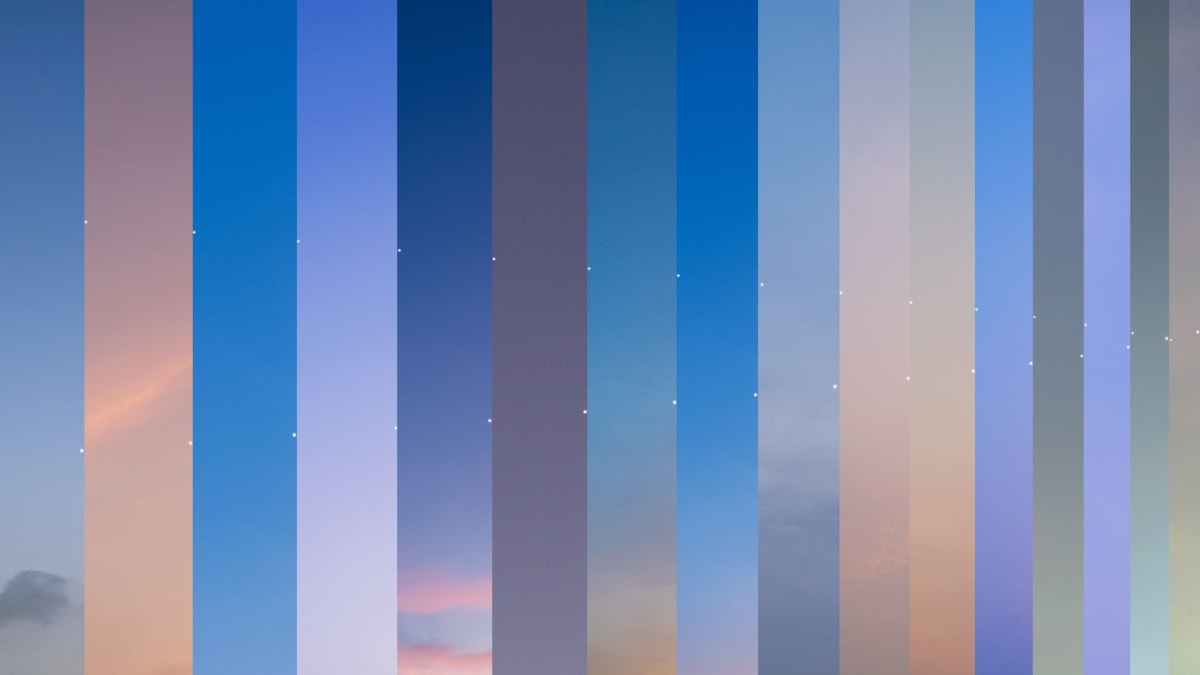
Photographer Captures Jupiter and Venus 30-Day Sky Dance
An Indian photographer spent 30 nights documenting two planets moving closer together in a stunning cosmic collision of perspective. The dramatic images reveal how our night sky is constantly changing, even when we don't notice.
For 30 consecutive nights, astrophotographer Soumyadeep Mukherjee pointed his camera at the same spot in the sky above Kolkata, India, and captured something magical: two planets dancing toward each other.
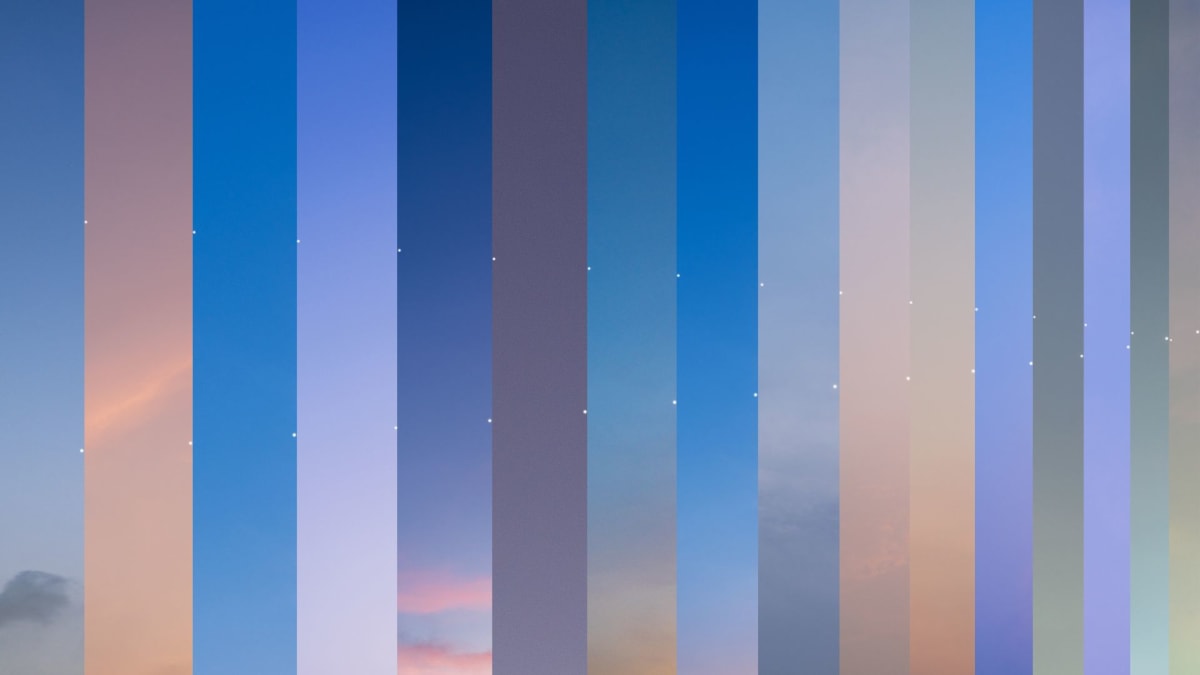
From May 11 through June 9, Mukherjee photographed Jupiter and Venus as they appeared to grow closer each evening in the constellation Gemini. His dedication paid off with a gorgeous collage that shows the planets' subtle nightly movements across twilight skies painted in ever-changing colors.
The photographer kept his setup simple and consistent. He used the same Nikon camera and 50mm lens for every shot, keeping the planets centered in each frame. The only thing he adjusted was shutter speed to account for different light conditions, from bright civil twilight to darker astronomical twilight when clouds got in the way.
His patience culminated on June 9, when Jupiter and Venus appeared less than 2 degrees apart in what astronomers call a planetary conjunction. Skywatchers around the world looked up that night to see the two bright planets shining almost side by side above the western horizon.
The Bright Side
Here's the mind-bending twist: while the planets looked like they were moving closer together, Venus was actually racing 27 million miles farther away from Jupiter during those 30 days. The apparent closeness was just a trick of perspective from our viewpoint on Earth, like watching two cars on different highways seem to merge when you're standing at just the right angle.
Mukherjee's collage does more than showcase celestial mechanics. It reminds us that extraordinary things are happening above us every single night, even when we're too busy to look up. The planets never stop their ancient orbits, painting new patterns across our sky whether we notice or not.
The same sky that dazzled ancient navigators and inspired countless stories still puts on free shows for anyone willing to spend a few minutes outdoors after sunset. You don't need expensive equipment to appreciate it, though Mukherjee's images certainly help us see the beauty we might otherwise miss.
His 30-day project proves that some of the most spectacular cosmic events unfold slowly, rewarding those patient enough to watch.
More Images


Based on reporting by Space.com
This story was written by BrightWire based on verified news reports.
Spread the positivity!
Share this good news with someone who needs it
%2Fhttps%3A%2F%2Ftf-cmsv2-smithsonianmag-media.s3.amazonaws.com%2Ffiler_public%2Ff0%2Ffe%2Ff0fe19e4-e68b-474d-b0a4-19c5beb9d19d%2Fspeedy-star.webp)