Rainbow Meteorite May Be Piece of Lost Moon-Sized Planet
Scientists discovered that a rare, kaleidoscopic meteorite found in the Sahara Desert could be the first evidence of an ancient protoplanet that once orbited our sun. The Mars-sized world existed billions of years ago before shattering into fragments that occasionally fall to Earth.
A rainbow-shimmering space rock found in the Sahara Desert may be all that remains of an entire lost world from our solar system's infancy.
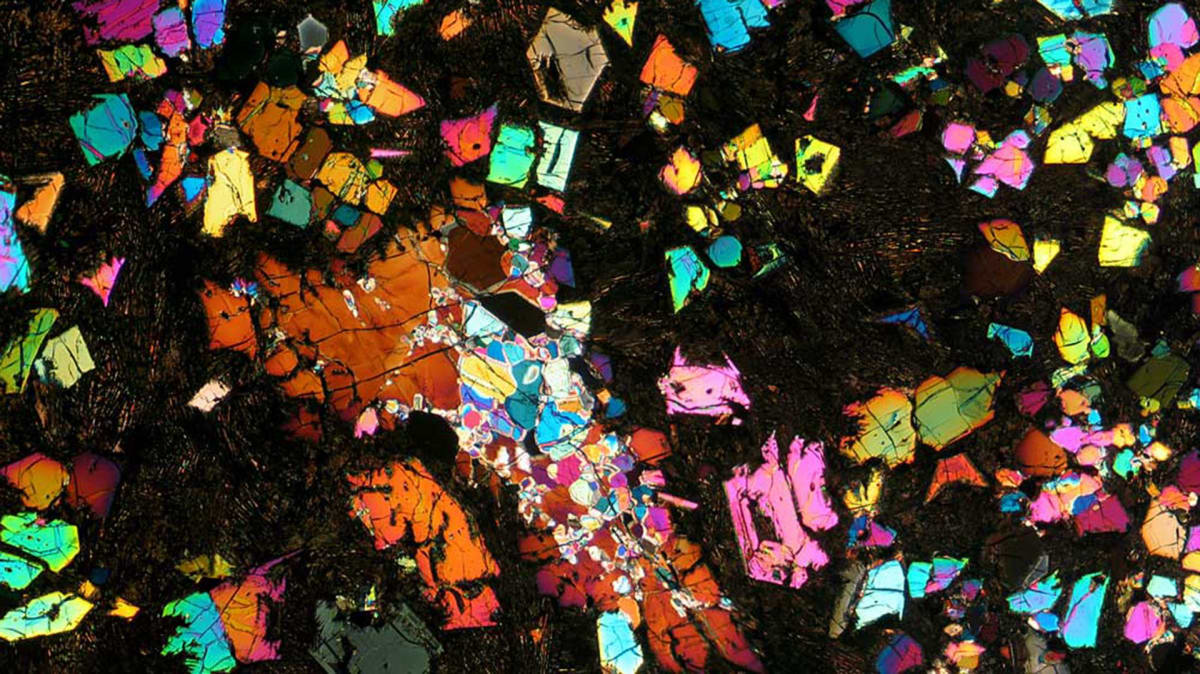
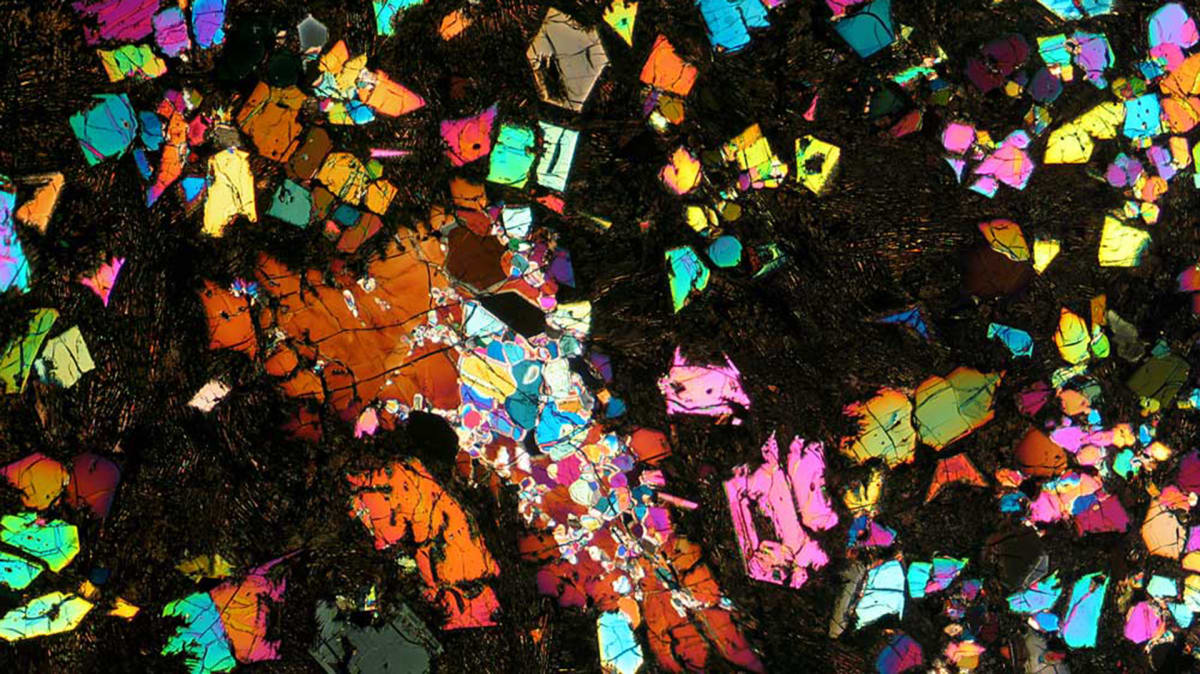
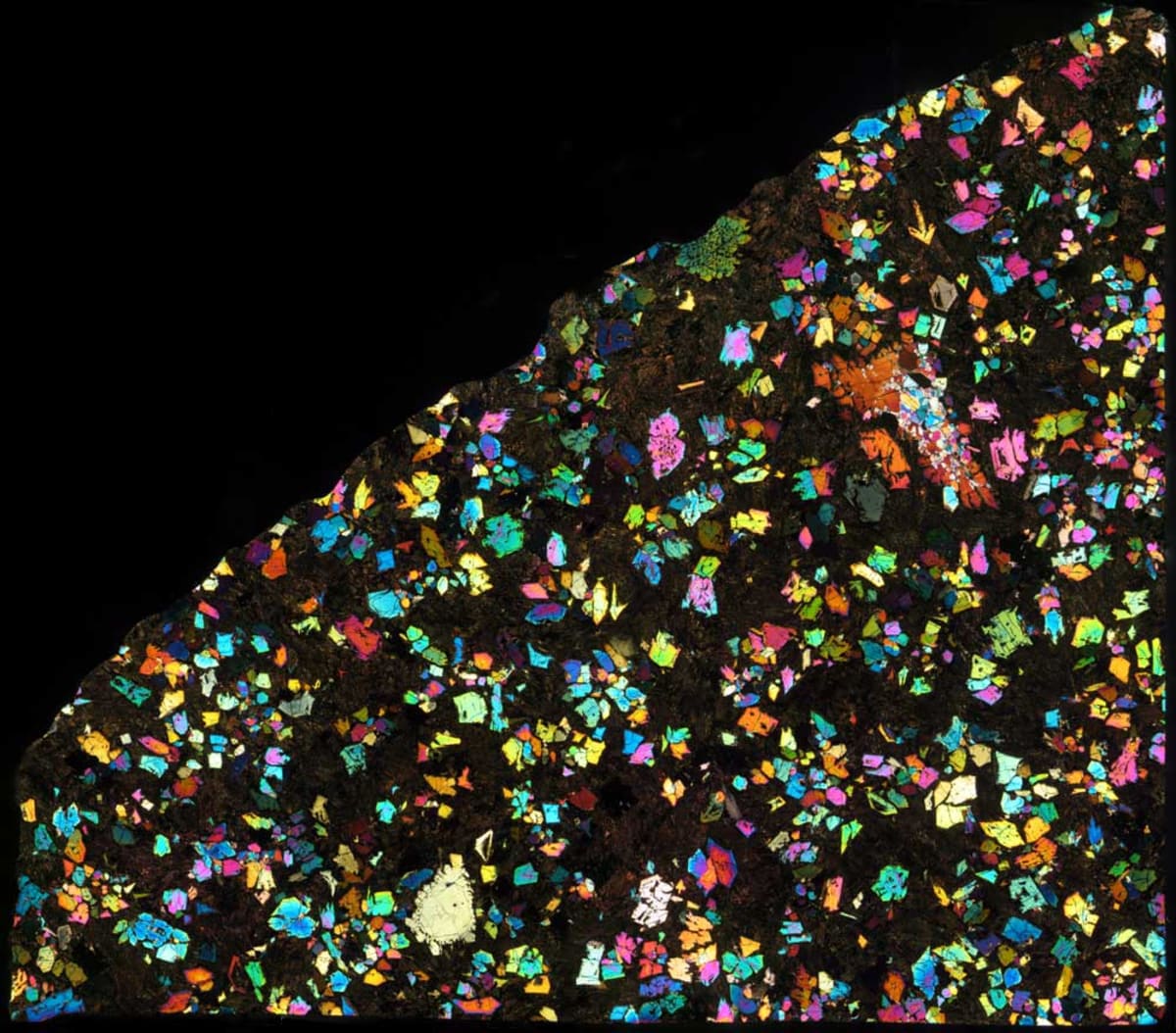
The meteorite, discovered in 2019 and weighing just one pound, belongs to an exceptionally rare group called angrites that make up less than 0.1% of all known meteorites. Scientists just announced that this particular specimen, officially named NWA 12774, contains minerals that could only have formed inside a body at least as large as our moon.
Here's what makes this discovery mind-blowing: the meteorite contains aluminum-rich clinopyroxene, a mineral that forms only under extreme pressure. That kind of pressure couldn't exist in a small asteroid.
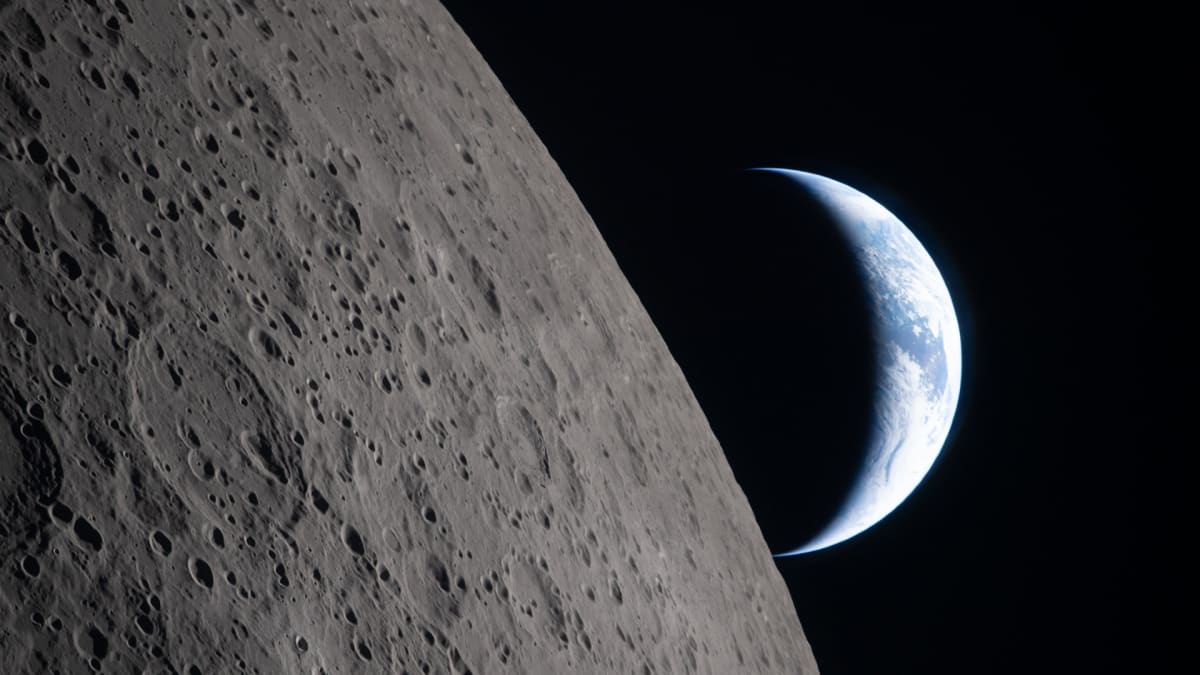
Researchers at the University of Colorado Boulder calculated that the parent body must have been at least 621 miles in radius, possibly reaching 1,118 miles. That's potentially as large as Mars, which has a radius of 2,106 miles.
"It's incredible to think there was once another world this large," said study lead Aaron Bell, a petrologist at UC Boulder. "We only know it existed because a few fragments of it happened to land on Earth."
The angrite meteorites are among the oldest rocks in our solar system, forming within just a few million years after everything began 4.56 billion years ago. They're chemically distinct from Earth and Mars, containing exceptionally low levels of silica, which is a key ingredient in most rocky planets.
Why This Inspires
This discovery rewrites what we thought we knew about how planets formed in our cosmic neighborhood. Scientists previously believed angrites came from small asteroids, but this evidence suggests our early solar system was home to at least one additional planet-sized world that followed a completely different evolutionary path.
The lost protoplanet likely collided with another celestial body billions of years ago, shattering into rubble. Some of those fragments may have even become building blocks for Earth and other planets we see today.
When viewed under cross-polarized light, NWA 12774 shimmers like a rainbow kaleidoscope, a beautiful reminder that even our planet's deepest history still holds surprises.
More Images
Based on reporting by Live Science
This story was written by BrightWire based on verified news reports.
Spread the positivity!
Share this good news with someone who needs it