Swiss Researchers Confirm Active Volcanoes on Venus
Scientists at ETH Zurich have discovered that Venus, Earth's sister planet, still has active volcanoes today. Their breakthrough computer modeling overturns decades of assumptions about the supposedly dead planet.
For the first time, researchers have proven that Venus isn't the geological graveyard scientists thought it was.
A team at ETH Zurich led by Professor Taras Gerya has found clear evidence that volcanoes are still erupting on Venus right now. For over 100 million years, scientists assumed the planet's massive rift valleys were ancient relics, frozen in time like fossils of a once-active world.
Venus seems like an unlikely place for any activity. Temperatures soar to several hundred degrees, hot enough to melt lead. No oceans exist to cool the surface like they do on Earth.
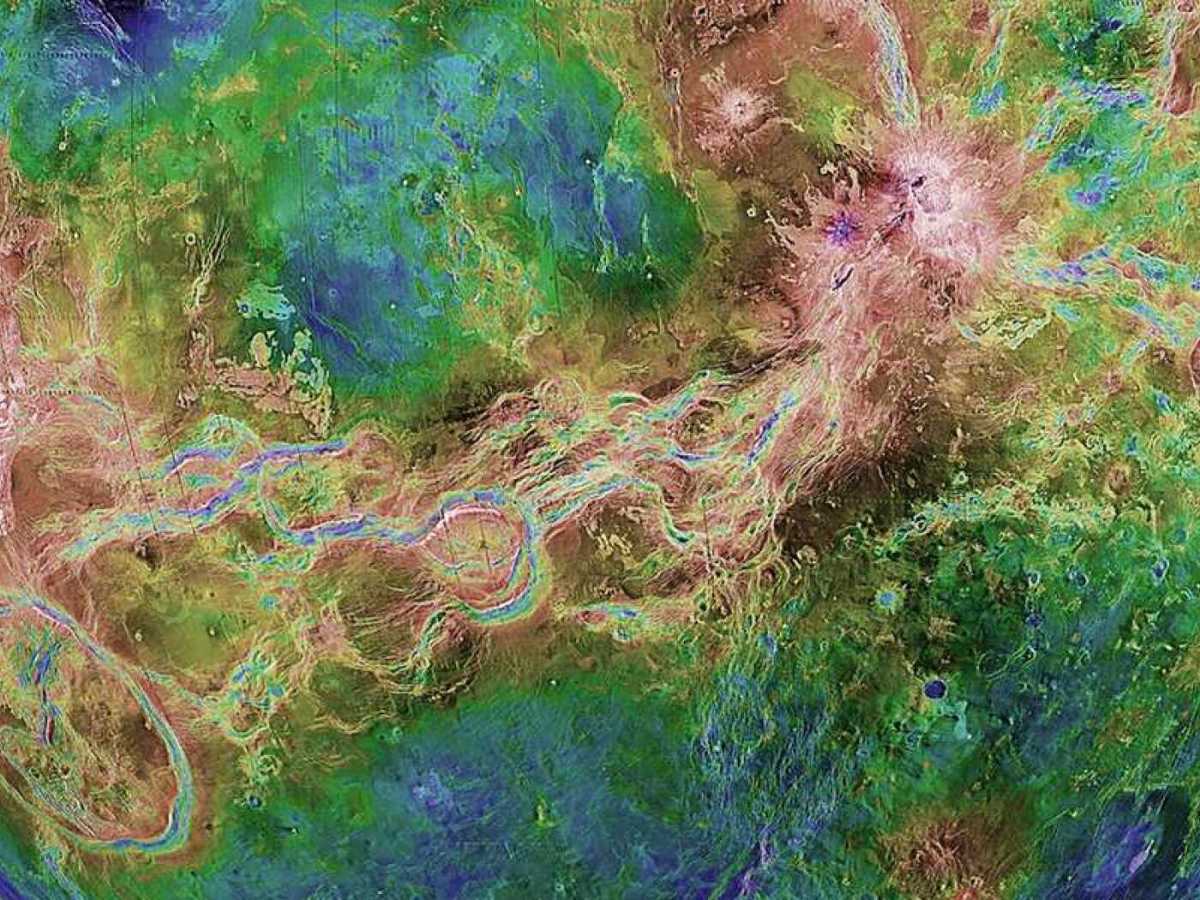
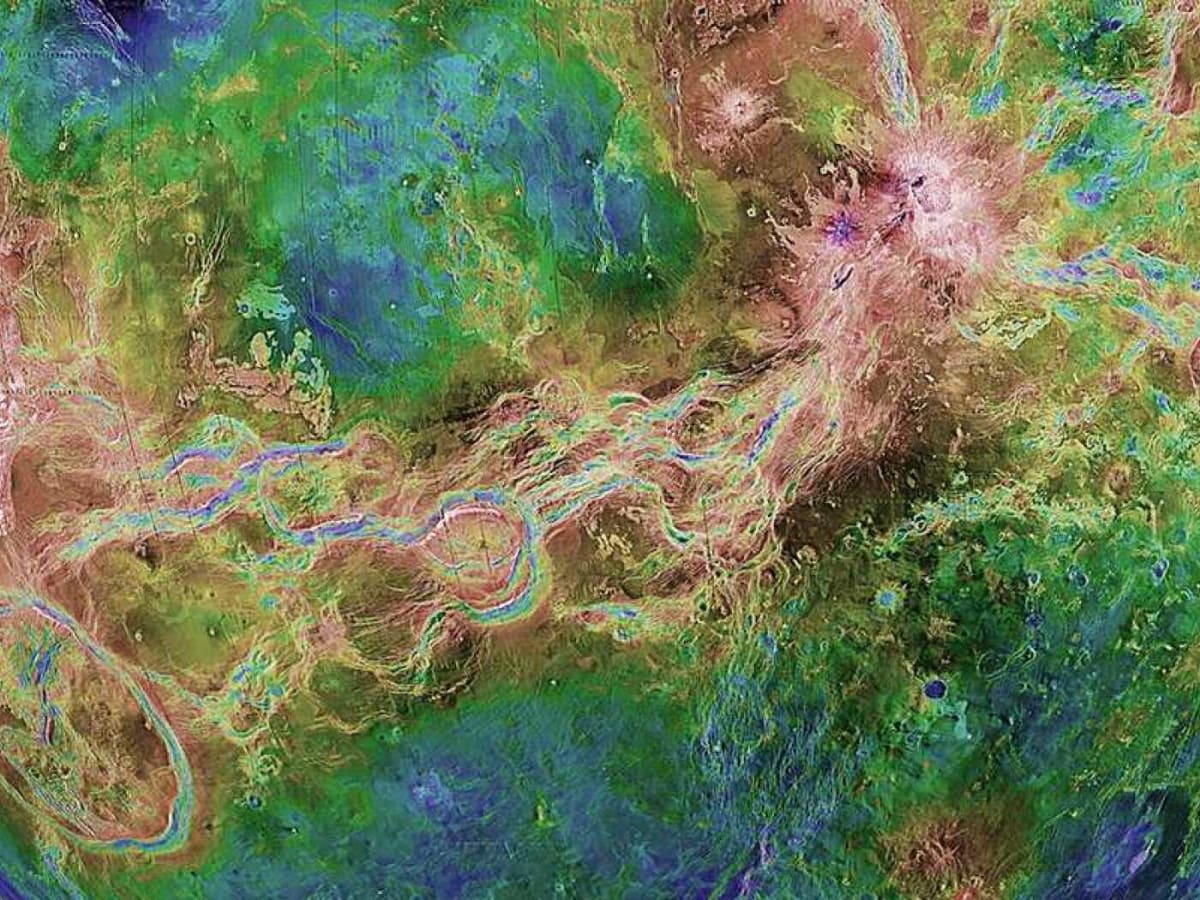
But the planet has been hiding secrets in plain sight. Venus hosts enormous rift systems, some stretching up to 10,000 kilometers long. That's roughly the distance from New York to Tokyo, carved into another world's surface.
These rifts resemble Earth's own geological features, like the African Rift Valley. The big question was timing. When did they form?
Using advanced computer modeling, lead author Xi Yang and the ETH Zurich team ran simulations that changed everything. Their results, just published in Nature Geoscience, show that some of these massive valleys formed much more recently than anyone believed.
The discovery means Venus is geologically alive. Beneath that scorching, inhospitable surface, the planet's interior is churning, pushing, and breaking through the crust just like Earth does.
Why This Inspires
This breakthrough reminds us that even when something seems dead and unchanging, closer examination can reveal vibrant life beneath the surface. The Swiss team didn't accept conventional wisdom. They built better tools and looked deeper.
Their work also strengthens the connection between Earth and its sister planet. Understanding how Venus's geology works today helps scientists understand how Earth might evolve over millions of years. Every discovery on that hellish world teaches us something precious about our own.
Switzerland continues punching above its weight in space exploration, with instruments on 50 different space missions and groundbreaking discoveries like this one. The small nation's outsized contributions to planetary science prove that innovation doesn't require massive budgets, just brilliant minds asking the right questions.
Venus isn't finished surprising us yet, and neither are the scientists determined to unlock its secrets.
More Images



Based on reporting by Google News - Researchers Find
This story was written by BrightWire based on verified news reports.
Spread the positivity!
Share this good news with someone who needs it