.jpg)
Rare Fishing Cat Returns to Cambodia After Wetland Restoration
A trail camera captured footage of an endangered fishing cat near Cambodia's largest lake, proving that 15 years of wetland restoration is bringing vanished wildlife back home. With fewer than 10,000 fishing cats left in the wild, this sighting celebrates both a species' return and a thriving ecosystem.
A camera near Cambodia's Tonlé Sap lake just captured something that borders on myth: a wild fishing cat padding through restored wetlands that local communities spent 15 years bringing back to life.
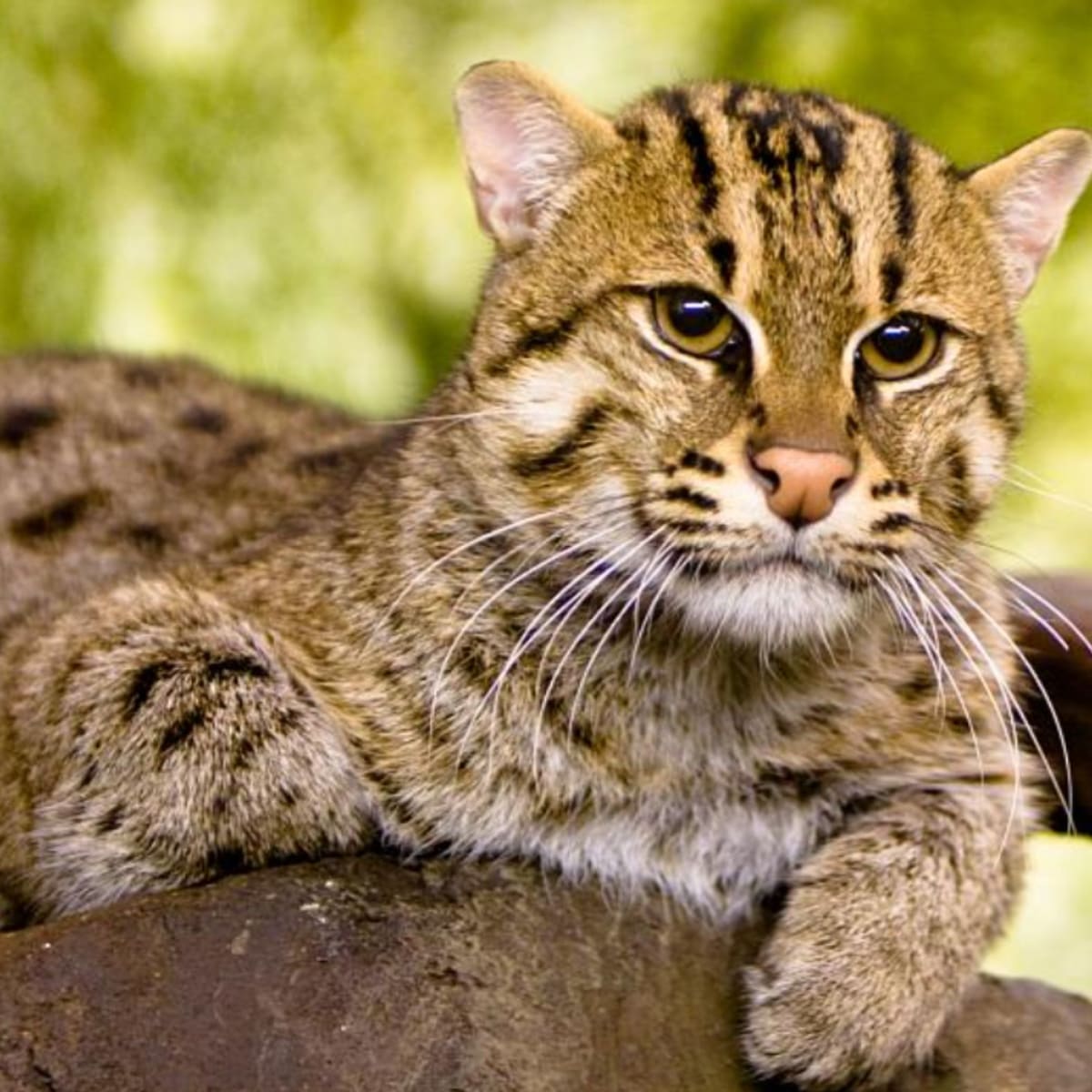
Fishing cats are twice the size of housecats, with webbed toes and waterproof double coats built for hunting fish, frogs, and crustaceans in Southeast Asian swamps. But with fewer than 10,000 left in the wild, these vulnerable predators had become so rare that most researchers considered them nearly impossible to spot.
That changed when a trail camera in Pursat, Cambodia picked up footage of an adult fishing cat prowling near the edge of Tonlé Sap, Southeast Asia's largest freshwater lake. "It's a thrilling discovery," said Sony Oum, who leads Conservation International's work in Cambodia.
For 15 years, Conservation International has partnered with Cambodia's government and 16 local fishing communities to restore these wetlands. They removed invasive species like non-native mussels and water hyacinth, prevented pollution, and stopped overfishing.
The results speak for themselves: 2,470 acres of new forest growth and the return of one of Asia's most elusive predators.
The Ripple Effect
The fishing cat's appearance tells a bigger story than just one species coming home. Its presence means fish populations have bounced back enough to sustain a hunter, and the flooded forests have regrown the thick underbrush predators need to stalk their prey.
The Tonlé Sap wetlands now support over 300 fish species, 200 bird species, 40 reptile and amphibian species, and 50 mammal species. Otters have returned alongside the fishing cats, and native birds are nesting in restored swamp forests.
This matters beyond wildlife counts. About 1.5 million people live in stilt houses and floating villages around the lake, depending on these forests for freshwater, food, and fuel.
"Not long ago, the flooded forests were facing destruction," Oum said. "Today, we see restored swamp forests bringing native wildlife home."
The fishing cat sighting proves that when communities commit to healing their land, even the rarest creatures can find their way back.
More Images
.jpg)

Based on reporting by Good Good Good
This story was written by BrightWire based on verified news reports.
Spread the positivity!
Share this good news with someone who needs it
%2Ffile%2Fattachments%2Forphans%2FRovingRep-Madagascar-stormsMAIN_652963.jpg)