Rescued Sundarbans Tigress Could Shape Wildlife Future
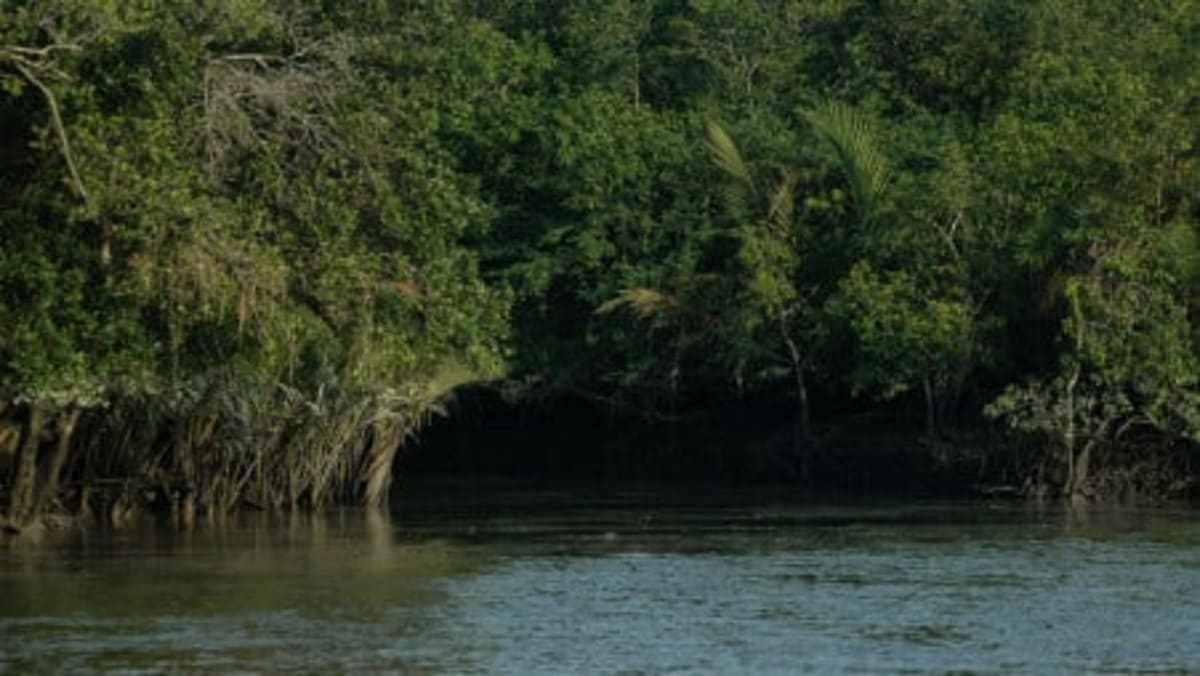
A Bengal tigress pulled from a poacher's snare in Bangladesh's Sundarbans has made a remarkable recovery, and her story could transform how the nation protects endangered animals. With only 125 adult tigers left in the region, scientists say her next chapter could benefit wildlife for decades.
When forest rangers found a Bengal tigress caught in a poacher's trap deep in the Sundarbans mangrove forest, they knew injuries like hers were usually fatal in the wild. But thanks to dedicated veterinarians and wildlife staff, she not only survived but has recovered to good health.
Now Bangladesh faces an exciting decision. Should this tigress return to the wild, or could she serve conservation in another way?
The stakes matter more than most realize. Only about 125 adult Bengal tigers survive in Bangladesh's portion of the Sundarbans, making every female crucial to the species' future. Each one contributes directly to keeping this unique population alive.
Scientists say her fate should guide more than just one animal's future. Bangladesh has a rare chance to build a world class framework for rehabilitating rescued wildlife, especially large carnivores facing extinction threats.
If she's strong enough and her hunting skills remain sharp, experts say releasing her back into the Sundarbans could work beautifully. Modern tools like satellite collars and camera traps would let researchers track her movements, health, and hunting success. The knowledge gained would be invaluable for future rescue efforts.
But there's another inspiring possibility. If release isn't viable, a semi wild rehabilitation facility near the Sundarbans could become something extraordinary. It wouldn't just house one tiger but could serve as a national center for wildlife rehabilitation, veterinary training, conservation research, and public education.
The Ripple Effect
The real magic extends far beyond this single tigress. Bangladesh has built impressive wildlife conservation expertise, and this case could strengthen it further using international best practices.
Research on her genetics, behavior, and health could generate insights that help tigers, elephants, dolphins, crocodiles, and other threatened species across the entire region. Every lesson learned now makes future rescues more successful.
Wildlife experts worldwide are watching. Many countries now support rescue operations with standard procedures, specialist facilities, and evidence based management. Bangladesh has the chance to join those ranks and show how it's done in challenging environments like coastal mangrove forests.
The tigress who survived a poacher's snare may end up contributing far more than her own life to conservation history.
Based on reporting by Google News - Wildlife Recovery
This story was written by BrightWire based on verified news reports.
Spread the positivity!
Share this good news with someone who needs it